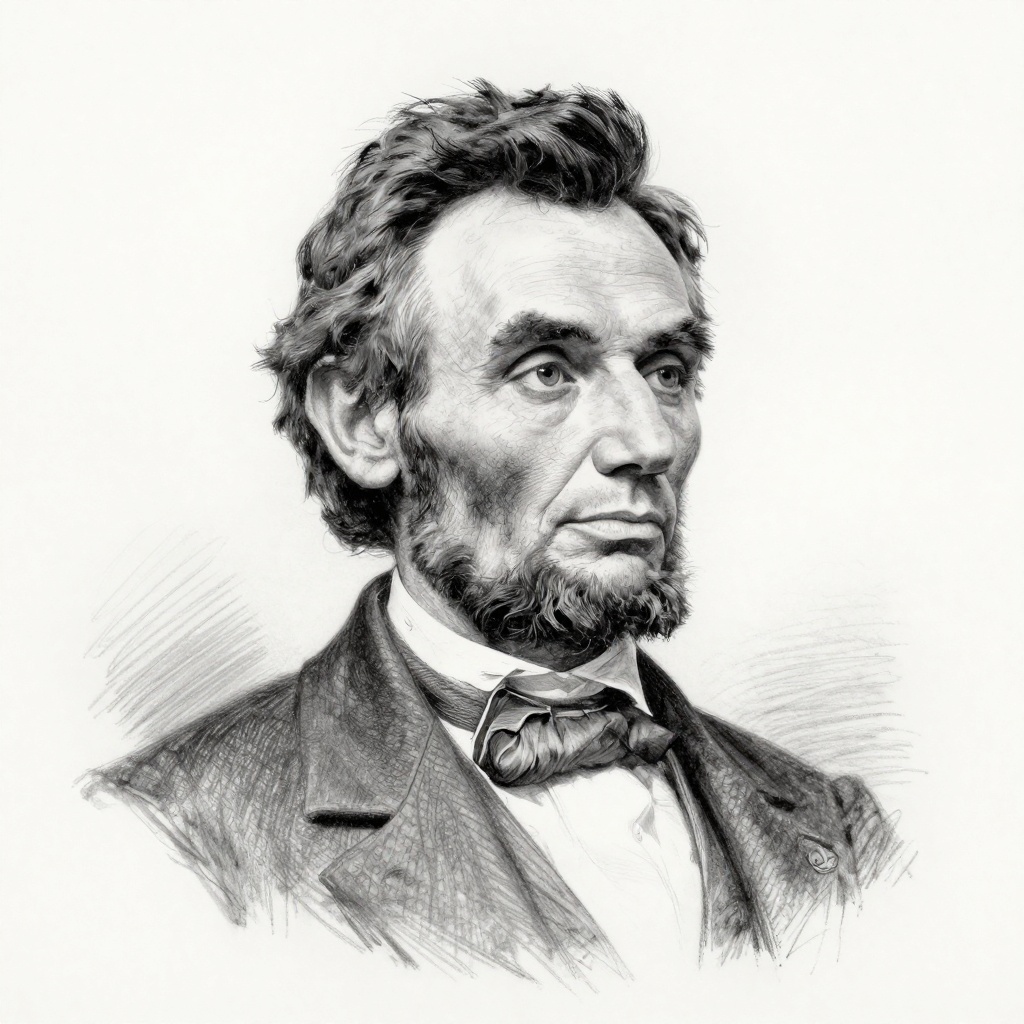
This country, with its institutions, belongs to the people who inhabit it. Whenever they shall grow weary of t... — Abraham Lincoln
This country, with its institutions, belongs to the people who inhabit it. Whenever they shall grow weary of the existing government, they can exercise their constitutional right of amending it, or exercise their revolutionary right to overthrow it.
Author: Abraham Lincoln
Insight: We often think of democracy as something that happens on election day, but Lincoln is pointing at something deeper: the idea that power ultimately rests with ordinary people, not institutions. The government exists to serve you, not the other way around. That sounds obvious until you watch people defer endlessly to "the way things are done" or assume real change requires permission from above. What's quietly radical here is the permission structure. Lincoln isn't saying people should overthrow governments casually—he's acknowledging that when a system stops working for the people it's meant to serve, those people have the right to change it fundamentally. Most of us never exercise this fully. We grumble about rules we think are broken but assume they're immovable. We accept policies we disagree with because "that's just how it is." But the point isn't that revolution is always necessary. It's that the ultimate authority isn't the government—it's you. The twist is that this cuts both ways. If you truly believe power belongs to the people, then you can't complain about government problems while staying passive. It means you're responsible for caring enough to understand what's happening and decide whether to work within the system or push for change. The institutions belong to you. The question is whether you're going to act like it.
Source: First Inaugural Address, March 4, 1861