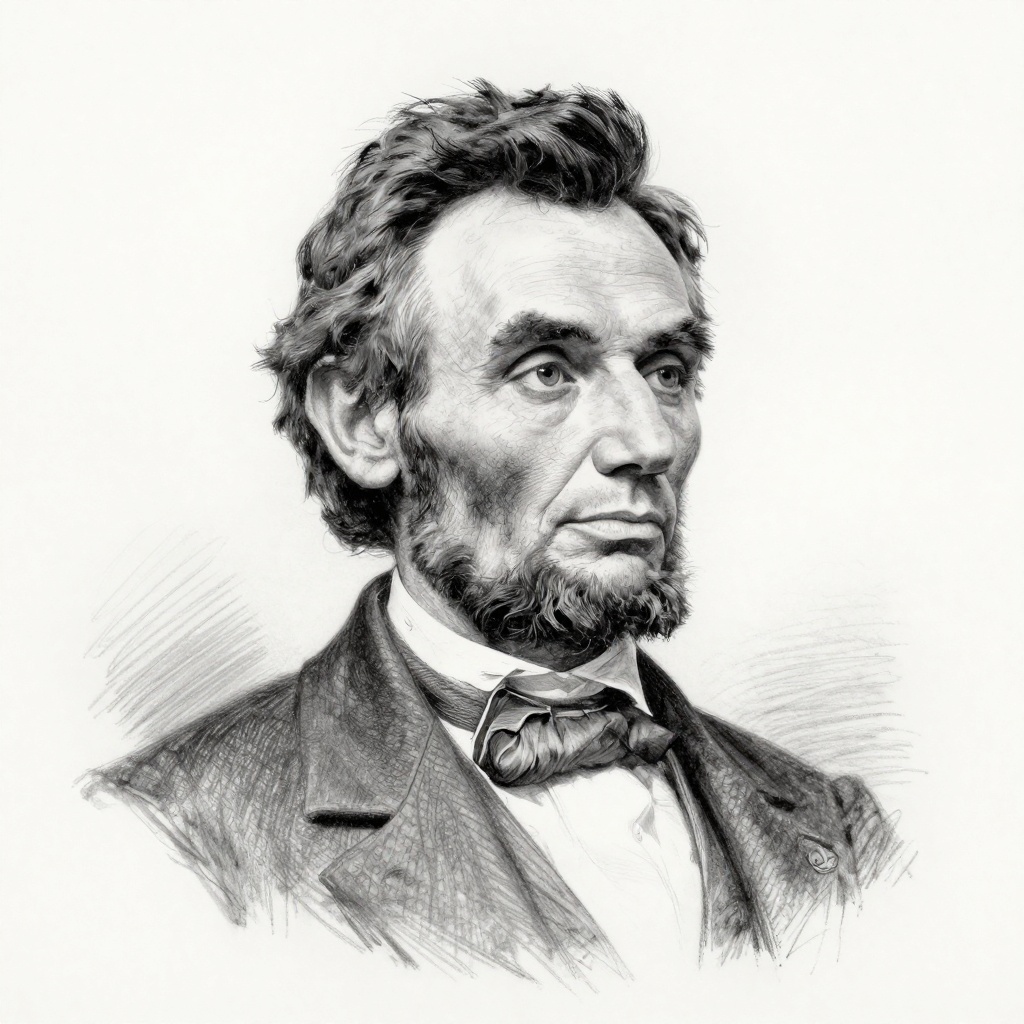
These capitalists generally act harmoniously and in concert to fleece the people; and now that they have got i... — Abraham Lincoln

These capitalists generally act harmoniously and in concert to fleece the people; and now that they have got into a quarrel with themselves, we are called upon to appropriate the people's money to settle the quarrel.

Author: Abraham Lincoln

Insight: We tend to think of powerful people fighting each other as inherently good for ordinary folks—the idea that competition and conflict between the powerful keeps any one group from dominating too much. Lincoln's observation cuts against that comfort. He's saying that when the wealthy clash, regular people don't benefit. Instead, we get dragged in to fund their disputes, often through taxes or bailouts that come out of our pockets. This still resonates today whenever we see government prop up failing industries or when competing corporations lobby for subsidies, each claiming they're essential to the economy. The real cost gets passed down. What makes this insight slightly unsettling is that it suggests the powerful often have more in common with each other than with the rest of us—they're competitors, sure, but they operate from a shared playbook of privilege. When they truly quarrel, it's not some noble clash of values. It's more like watching different factions of the same club argue over how to divide the membership dues while asking newer members to cover the legal fees.

Source: Speech to Illinois legislature (January 1837), Collected Works, vol. 1, p. 92

When the rich fight, we pay

These capitalists generally act harmoniously and in concert to fleece the people; and now that they have got into a quarrel with themselves, we are called upon to appropriate the people's money to settle the quarrel.

Abraham LincolnSpeech to Illinois legislature (January 1837), Collected Works, vol. 1, p. 92

We tend to think of powerful people fighting each other as inherently good for ordinary folks—the idea that competition and conflict between the powerful keeps any one group from dominating too much. Lincoln's observation cuts against that comfort. He's saying that when the wealthy clash, regular people don't benefit. Instead, we get dragged in to fund their disputes, often through taxes or bailouts that come out of our pockets.

This still resonates today whenever we see government prop up failing industries or when competing corporations lobby for subsidies, each claiming they're essential to the economy. The real cost gets passed down. What makes this insight slightly unsettling is that it suggests the powerful often have more in common with each other than with the rest of us—they're competitors, sure, but they operate from a shared playbook of privilege. When they truly quarrel, it's not some noble clash of values. It's more like watching different factions of the same club argue over how to divide the membership dues while asking newer members to cover the legal fees.

AI generated

Comments

Sign in to leave a comment or reply to one.

Sign in

Abraham Lincoln

Abraham Lincoln was the 16th President of the United States, serving from 1861 until his assassination in 1865. He is best known for leading the country through the Civil War, preserving the Union, and issuing the Emancipation Proclamation that led to the abolition of slavery in the United States.

Graph

Related