Quote · Added 14 February 2026
There is no grievance that is a fit object of redress by mob law.
Abraham LincolnAddress Before the Young Men's Lyceum of Springfield, Illinois, January 27, 1838
No ratings yet
Quote · Added 14 February 2026
When Lincoln wrote this, he was watching angry crowds take justice into their own hands. But the principle still haunts us today, just in different forms. We see it whenever people celebrate someone being "canceled" or destroyed on social media—the rush of collective punishment feels righteous, like the crowd is finally correcting an injustice. The problem is that mob dynamics destroy the very thing we need to actually fix anything: the ability to think clearly about what someone actually did, what they deserve, and whether this particular punishment helps or just satisfies our anger.
There's something counterintuitive here worth sitting with. When we're part of a crowd that agrees with us, we feel more certain we're right, not less. But certainty is exactly when we should be most careful. Mob law—whether a 1860s lynching or a coordinated pile-on today—gives us permission to skip the hardest parts: listening to details, considering context, imagining rehabilitation. We get to feel moral without doing the actual work of justice.
This doesn't mean ignoring real wrongs. It means noticing when we're motivated by the feeling of being part of something powerful rather than by genuine redress. That distinction, uncomfortable as it is, might be the only thing standing between justice and just revenge dressed up in righteous language.
1809–1865·lived 56 years
Abraham Lincoln was the 16th President of the United States, serving from 1861 until his assassination in 1865. He is best known for leading the country through the Civil War, preserving the Union, and issuing the Emancipation Proclamation that led to the abolition of slavery in the United States.
Also by Abraham Lincoln
My best friend is a person who will give me a book I have not read.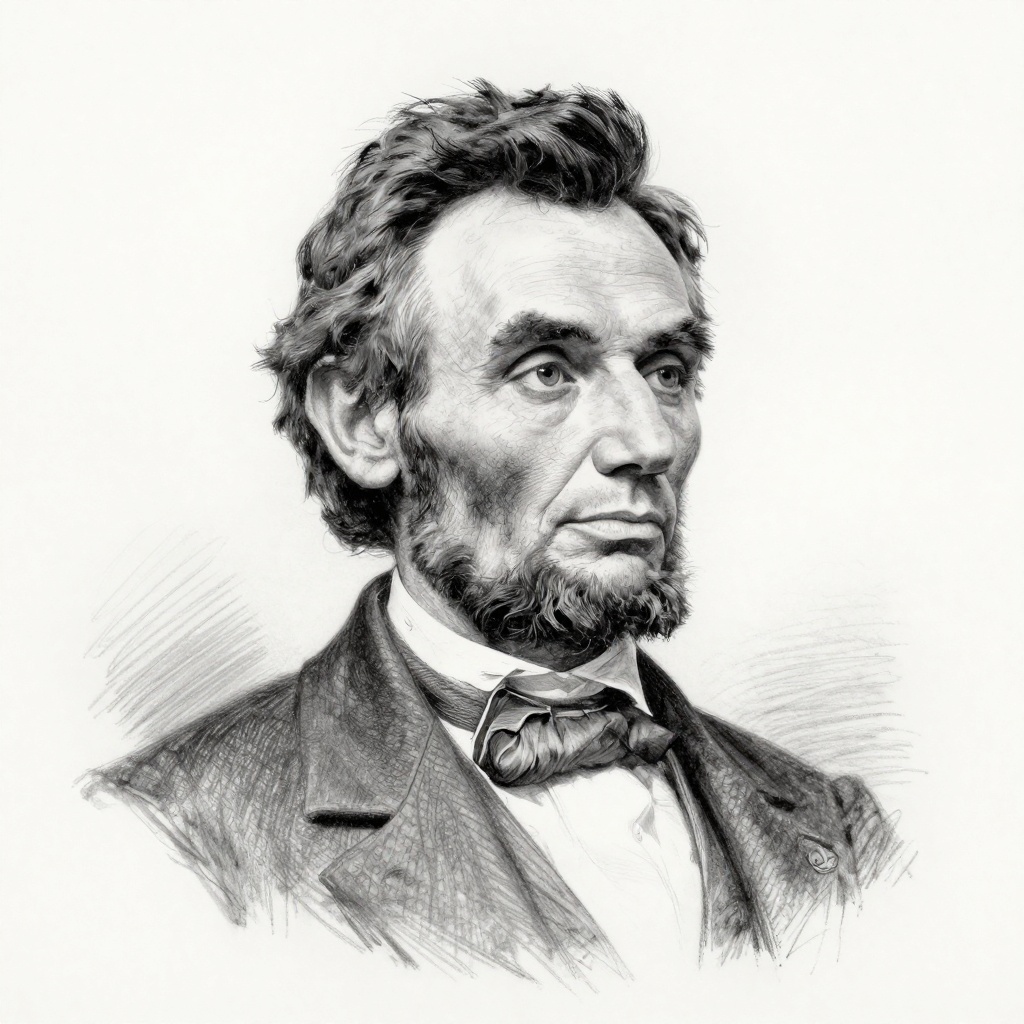
Comments