Quote · Added 14 February 2026
The things I want to know are in books; my best friend is the man who'll get me a book I ain't read.
Abraham LincolnLetter to Jesse W. Fell, December 20, 1859
No ratings yet
Filed underbooks·friendship·knowledge
Quote · Added 14 February 2026
Filed underbooks·friendship·knowledge
There's something quietly radical about treating books—and the people who connect us to them—as absolute necessities rather than luxuries. Lincoln wasn't being poetic here; he was describing a genuine hierarchy of value. A friend who brings you a book you haven't encountered yet is doing something more useful than someone who simply validates what you already think or know.
What makes this resonate now is how it cuts against our instinct to bond over shared opinions. We tend to befriend people who agree with us, who reinforce our existing worldview. But Lincoln is pointing at something different: the friend who expands your territory, who says "you need to read this" even if—or especially if—it'll make you uncomfortable or force you to reconsider something. That's a rarer kind of friendship, and it's arguably more valuable than the ones that just feel easy.
The deeper insight is that curiosity itself is a form of intimacy. When someone knows what you don't know and takes the trouble to bridge that gap, they're saying something meaningful about how they see you. They're betting you can handle growth, that you're capable of complexity. In a world where we're increasingly sorted into echo chambers—literal and digital—friends who hand you books (or ideas, or perspectives) you'd never have found alone have become more important, not less.
1809–1865·lived 56 years
Abraham Lincoln was the 16th President of the United States, serving from 1861 until his assassination in 1865. He is best known for leading the country through the Civil War, preserving the Union, and issuing the Emancipation Proclamation that led to the abolition of slavery in the United States.
Also by Abraham Lincoln
My best friend is a person who will give me a book I have not read.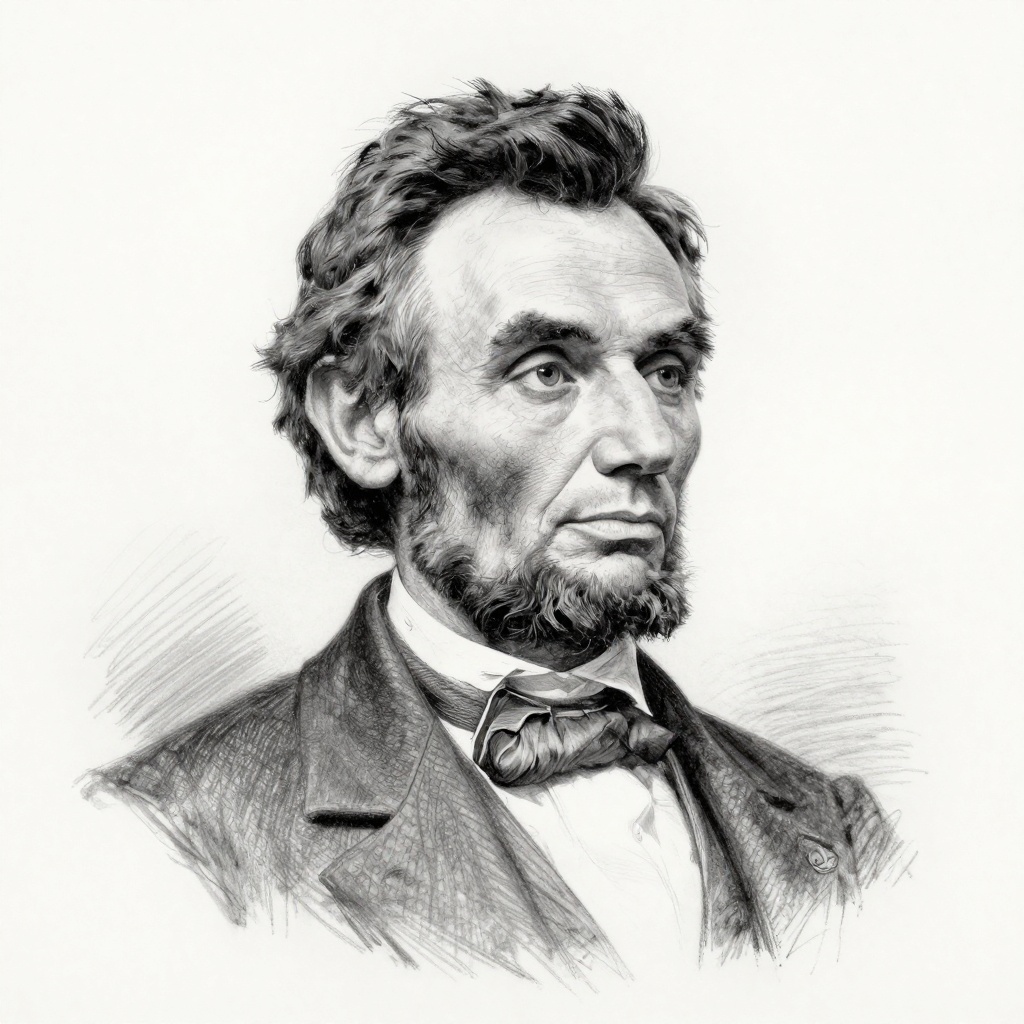
Comments