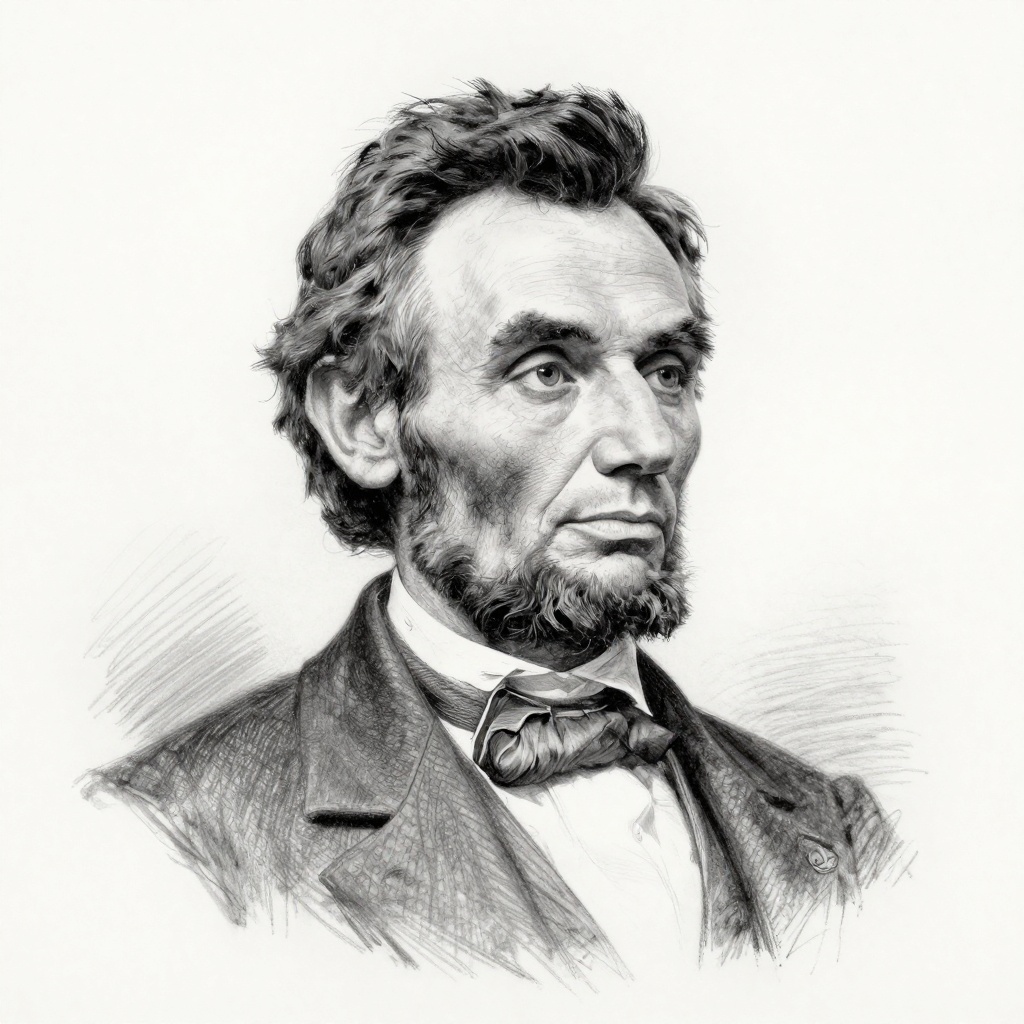
The shepherd drives the wolf from the sheep's throat, for which the sheep thanks the shepherd as his liberator... — Abraham Lincoln

The shepherd drives the wolf from the sheep's throat, for which the sheep thanks the shepherd as his liberator, while the wolf denounces him for the same act as the destroyer of liberty. Plainly, the sheep and the wolf are not agreed upon a definition of liberty.

Author: Abraham Lincoln

Insight: We live in a world where almost everyone claims to care about freedom, yet we can't seem to agree on what it actually means. One person's liberation is another person's oppression—and Lincoln's simple observation explains why these arguments feel so intractable. The shepherd isn't wrong to restrain the wolf. The wolf isn't wrong that its liberty has been limited. They're both telling the truth from completely different vantage points. This plays out constantly in modern life, often in ways we don't immediately recognize. When a company restricts what employees can post on social media, is that protecting the brand's freedom or crushing individual expression? When a government regulates pollution, is it freeing people to breathe clean air or restricting business liberty? The tension isn't usually between freedom and tyranny—it's between competing freedoms, and someone always loses. The uncomfortable part is that Lincoln's fable suggests there's no neutral ground. You can't have perfect liberty for both the wolf and the sheep. So the real question becomes: whose freedom matters more here, and why? That's messier than either side wants to admit, but it's where most genuine disagreements actually live.

Source: Letter to Albert G. Hodges, April 4, 1864

Freedom Depends on Which Side You're On

The shepherd drives the wolf from the sheep's throat, for which the sheep thanks the shepherd as his liberator, while the wolf denounces him for the same act as the destroyer of liberty. Plainly, the sheep and the wolf are not agreed upon a definition of liberty.

Abraham LincolnLetter to Albert G. Hodges, April 4, 1864

We live in a world where almost everyone claims to care about freedom, yet we can't seem to agree on what it actually means. One person's liberation is another person's oppression—and Lincoln's simple observation explains why these arguments feel so intractable. The shepherd isn't wrong to restrain the wolf. The wolf isn't wrong that its liberty has been limited. They're both telling the truth from completely different vantage points.

This plays out constantly in modern life, often in ways we don't immediately recognize. When a company restricts what employees can post on social media, is that protecting the brand's freedom or crushing individual expression? When a government regulates pollution, is it freeing people to breathe clean air or restricting business liberty? The tension isn't usually between freedom and tyranny—it's between competing freedoms, and someone always loses.

The uncomfortable part is that Lincoln's fable suggests there's no neutral ground. You can't have perfect liberty for both the wolf and the sheep. So the real question becomes: whose freedom matters more here, and why? That's messier than either side wants to admit, but it's where most genuine disagreements actually live.

AI generated

Comments

Sign in to leave a comment or reply to one.

Sign in

Abraham Lincoln

Abraham Lincoln was the 16th President of the United States, serving from 1861 until his assassination in 1865. He is best known for leading the country through the Civil War, preserving the Union, and issuing the Emancipation Proclamation that led to the abolition of slavery in the United States.

Graph

Related