Quote · Added 14 February 2026
The philosophy of the school room in one generation will be the philosophy of government in the next.
No ratings yet
Filed underphilosophy·education·governance
Quote · Added 14 February 2026
Filed underphilosophy·education·governance
What happens in classrooms doesn't stay in classrooms—it shapes how entire societies run themselves a generation later. This isn't just about curriculum or test scores. It's about the underlying assumptions kids absorb: whether they learn to think independently or follow instructions, whether mistakes are treated as learning or failure, whether diverse viewpoints get taken seriously or shut down. The values baked into how we teach become the values embedded in how we govern.
We see this play out constantly. Countries that prioritize critical thinking tend to produce citizens more willing to question authority and demand accountability. Schools that emphasize rote memorization and compliance often feed into systems where people expect top-down decisions and don't push back. It works both ways—sometimes quietly, sometimes obviously.
The uncomfortable part: we're not always deliberate about what we're actually teaching beyond the official lessons. The hidden curriculum—how teachers handle conflict, what kind of effort gets praised, whose stories get told—might matter more than the textbooks. If you want to understand where your country is headed in twenty years, don't just watch the politicians. Watch what's happening in schools now.
1809–1865·lived 56 years
Abraham Lincoln was the 16th President of the United States, serving from 1861 until his assassination in 1865. He is best known for leading the country through the Civil War, preserving the Union, and issuing the Emancipation Proclamation that led to the abolition of slavery in the United States.
Also by Abraham Lincoln
My best friend is a person who will give me a book I have not read.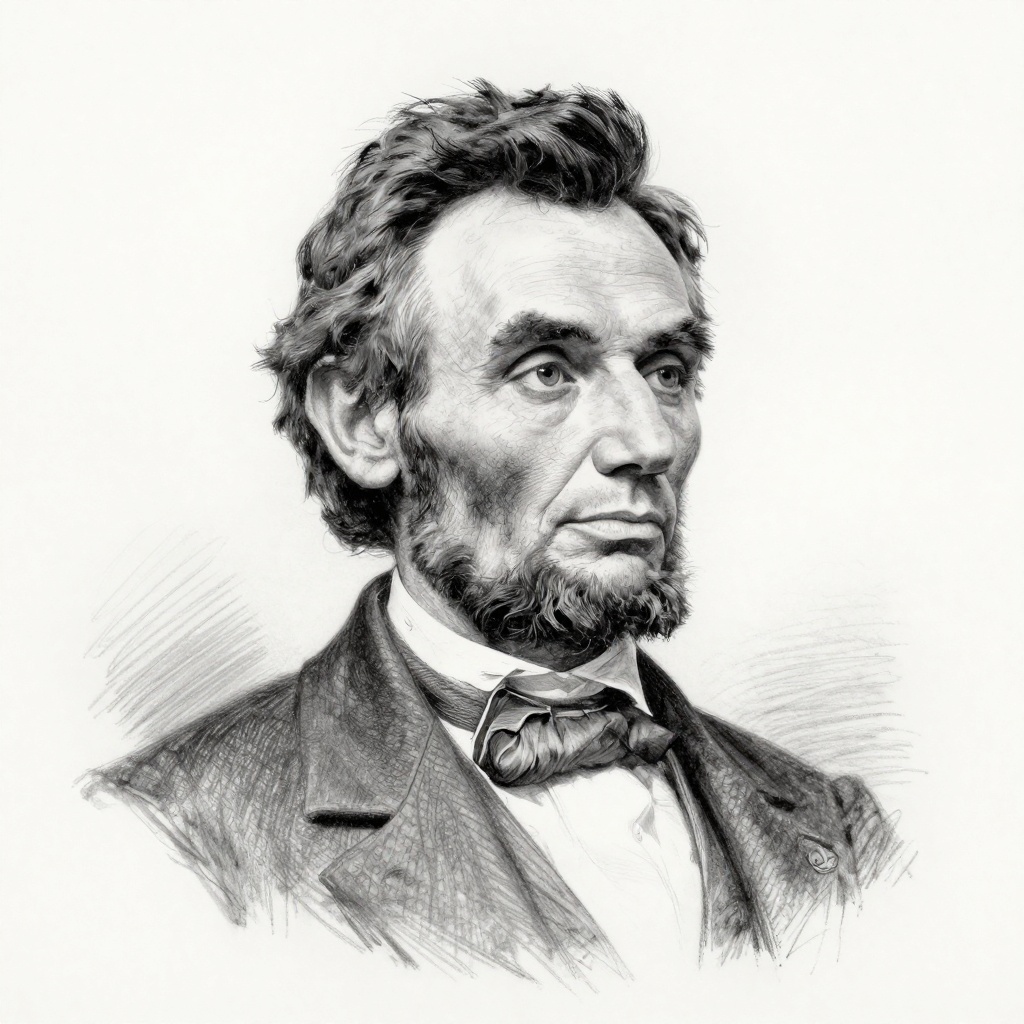
Comments