Quote · Added 14 February 2026
Public sentiment is everything. With public sentiment, nothing can fail. Without it, nothing can succeed.
Abraham LincolnLincoln-Douglas Debate at Ottawa, August 21, 1858
No ratings yet
Quote · Added 14 February 2026
We live in an era obsessed with metrics and data, yet Lincoln's observation about public sentiment still cuts to the heart of why things actually work or don't. A policy can be perfectly designed on paper, a product can have superior features, a movement can have righteous principles—but if people don't feel it, don't believe in it, don't want to be part of it, everything stalls. The most powerful force isn't logic or resources. It's whether ordinary people have decided to care.
The tricky part is that public sentiment isn't just swayed by grand speeches anymore. It's formed in group chats, through repeated small moments that confirm what we already suspect, through what we see others doing. It's fragile too—you can have it one week and lose it the next when someone unearths an old tweet or when a competing narrative simply sounds more believable. Companies learn this when a product launch flops despite perfect execution. Parents learn it when they try to enforce a rule their kids have collectively decided is unreasonable.
What makes Lincoln's insight surprising today is that we have better tools than ever to measure and track sentiment, yet we seem worse at building it. We mistake broadcast messages for actual connection, and we're shocked when people don't show up despite being "informed." The lesson isn't that you need to manipulate opinion. It's that real change—the kind that lasts—requires the slower work of making people genuinely believe something matters.
1809–1865·lived 56 years
Abraham Lincoln was the 16th President of the United States, serving from 1861 until his assassination in 1865. He is best known for leading the country through the Civil War, preserving the Union, and issuing the Emancipation Proclamation that led to the abolition of slavery in the United States.
Also by Abraham Lincoln
My best friend is a person who will give me a book I have not read.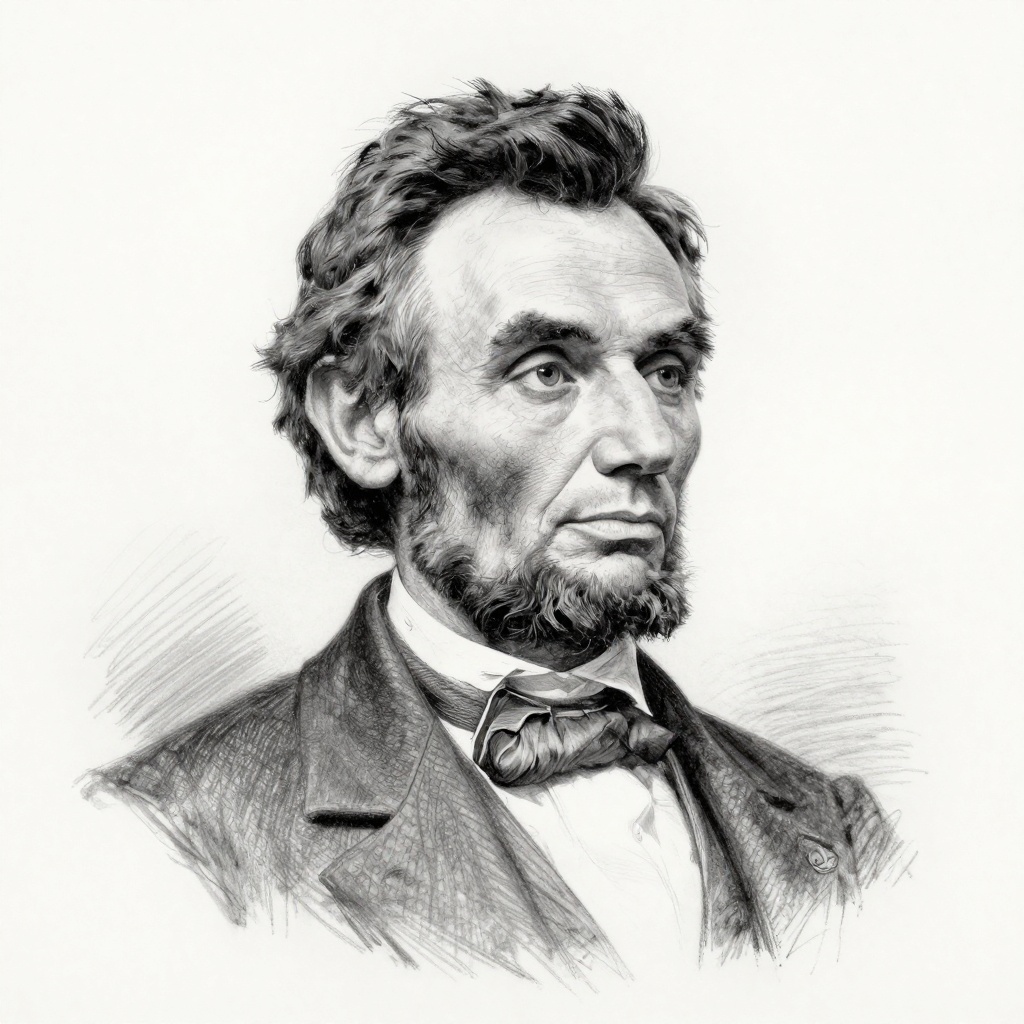
Comments