Quote · Added 14 February 2026
No man has a good enough memory to be a successful liar.
No ratings yet
Quote · Added 14 February 2026
We tend to think of lying as a character flaw, but Lincoln points to something more practical: it's just exhausting work. When you invent a story, you're creating a parallel reality that requires constant maintenance. You have to remember what you told person A, what you told person B, what details you changed and why. One slip—one moment where you forget your own fiction—and everything collapses. It's like trying to keep a dozen tabs open in your head indefinitely.
What makes this insight stick today is how little we've changed. We see it play out constantly: the friend who gets caught in an exaggeration because they tell different versions to different people, the person whose social media persona requires endless energy to sustain. Even small lies demand more cognitive overhead than we usually admit. The truth, by contrast, is stable. You don't need to remember it because it actually happened.
But here's the subtle part: this doesn't just explain why liars eventually fail. It also suggests that sustained authenticity isn't just morally superior—it's actually easier. Living in alignment with what's real means one less mental load to carry around. In a world obsessed with optimization and efficiency, maybe the most underrated competitive advantage is simply telling the truth.
1809–1865·lived 56 years
Abraham Lincoln was the 16th President of the United States, serving from 1861 until his assassination in 1865. He is best known for leading the country through the Civil War, preserving the Union, and issuing the Emancipation Proclamation that led to the abolition of slavery in the United States.
Also by Abraham Lincoln
My best friend is a person who will give me a book I have not read.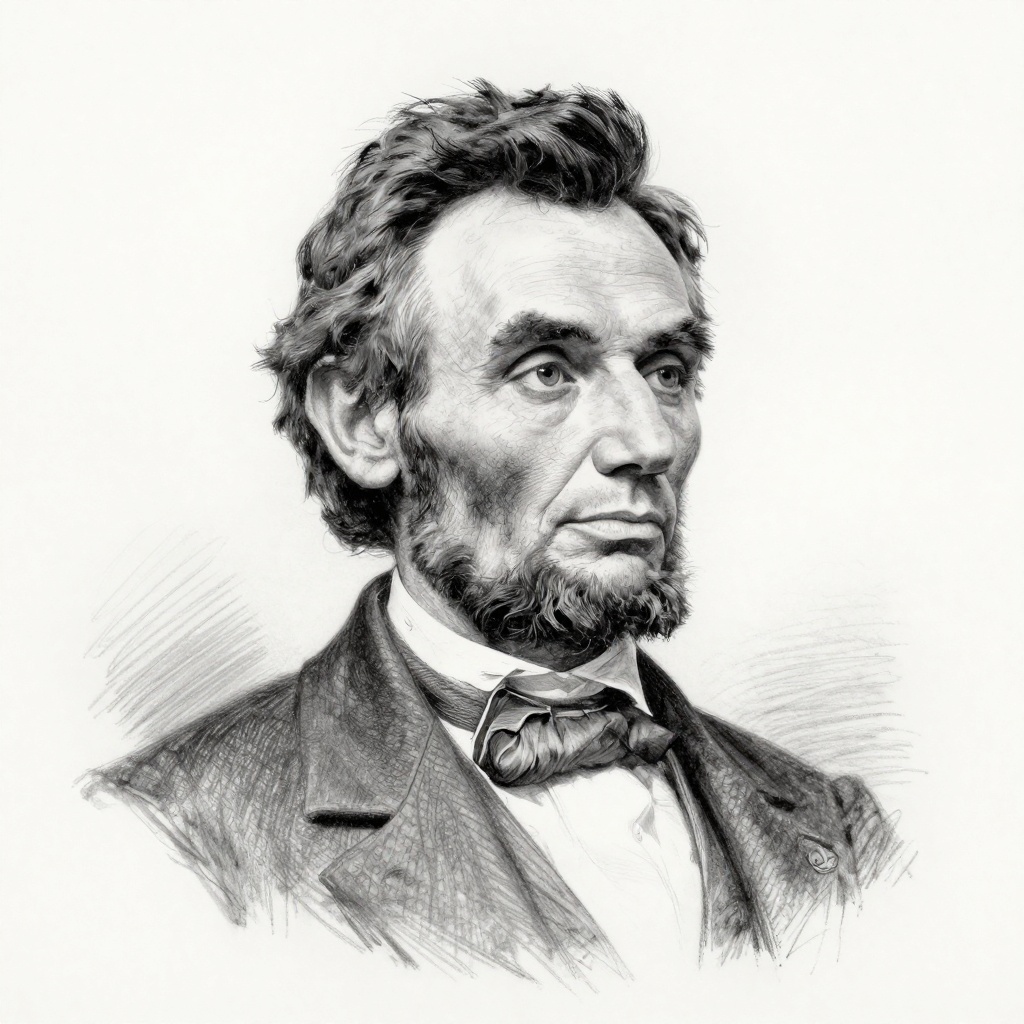
Comments