Quote · Added 14 February 2026
It has been my experience that folks who have no vices have very few virtues.
Abraham LincolnLetter from Abraham Lincoln to Jesse W. Fell, 1859
No ratings yet
Filed undervices·virtues·experience
Quote · Added 14 February 2026
Filed undervices·virtues·experience
We tend to think of virtue as the opposite of vice—that good people simply abstain from bad things. But Lincoln noticed something more unsettling: people who never struggle with temptation often aren't particularly virtuous at all. They're just... untested.
Consider someone who's never battled anger, never felt the pull of dishonesty when it would benefit them, never wrestled with envy or laziness. Without that friction, without knowing what it feels like to want something wrong and choose against it anyway, their goodness is theoretical. Real virtue isn't the absence of vices; it's the ongoing choice to resist them. It's the difference between someone who's never been hungry and someone who knows hunger but shares their food anyway.
This reframes how we judge ourselves and others. The person who struggles with their temper but keeps working on it might actually be more virtuous than the naturally placid person who's never had to fight. Weakness acknowledged and managed can be more honest—and more admirable—than a perfection that's just never been challenged. Lincoln's insight suggests that our vices, difficult as they are, might be exactly what we need to develop real character.
1809–1865·lived 56 years
Abraham Lincoln was the 16th President of the United States, serving from 1861 until his assassination in 1865. He is best known for leading the country through the Civil War, preserving the Union, and issuing the Emancipation Proclamation that led to the abolition of slavery in the United States.
Also by Abraham Lincoln
My best friend is a person who will give me a book I have not read.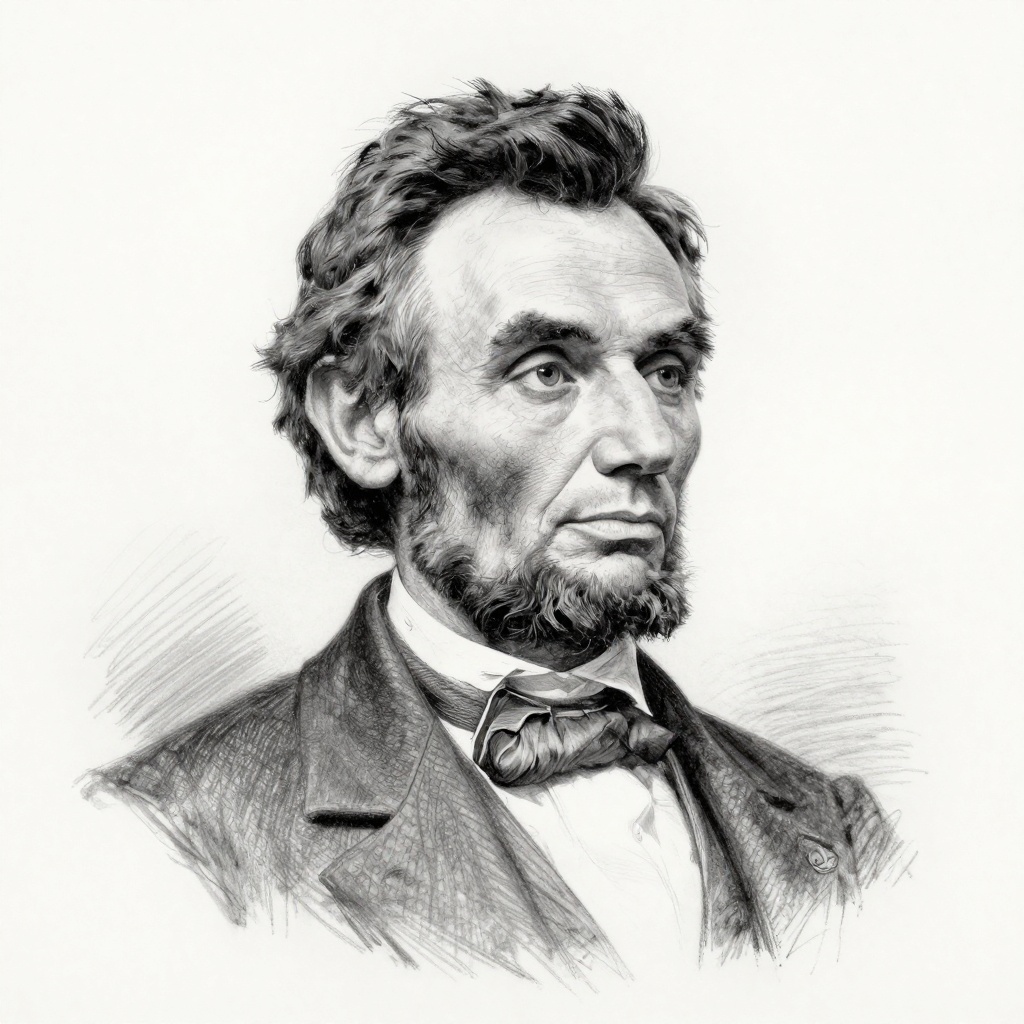
Comments