Quote · Added 14 February 2026
I want it said of me by those who knew me best, that I always plucked a thistle and planted a flower where I thought a flower would grow.
Abraham LincolnRemark to Joshua Speed, 1865
No ratings yet
Quote · Added 14 February 2026
Most of us think about legacy in abstract terms—what we'll leave behind, how history will remember us. Lincoln's vision is different: he's not asking for monuments or grand gestures. He just wants the people closest to him to notice that he tried, in small moments, to replace something harmful with something beautiful.
This matters now because we live in a culture of sweeping declarations. We announce our values online, commit to massive life changes, plan to be better versions of ourselves tomorrow. But what Lincoln describes is quieter and harder: actually noticing when something hurts (the thistle), doing the small work to remove it, and deliberately putting something good in its place. It's the parent who stops mid-frustration to say something encouraging instead. It's noticing a relationship has become thorny and deciding to invest kindness into it. It's the unglamorous habit of replacement, not just removal.
The twist is that this approach requires real attention. You have to know the soil, understand what will actually grow there, not just what sounds nice. It's not about being nice to everyone—it's about being intentional where it matters most, with the people who'll know whether you meant it.
1809–1865·lived 56 years
Abraham Lincoln was the 16th President of the United States, serving from 1861 until his assassination in 1865. He is best known for leading the country through the Civil War, preserving the Union, and issuing the Emancipation Proclamation that led to the abolition of slavery in the United States.
Also by Abraham Lincoln
My best friend is a person who will give me a book I have not read.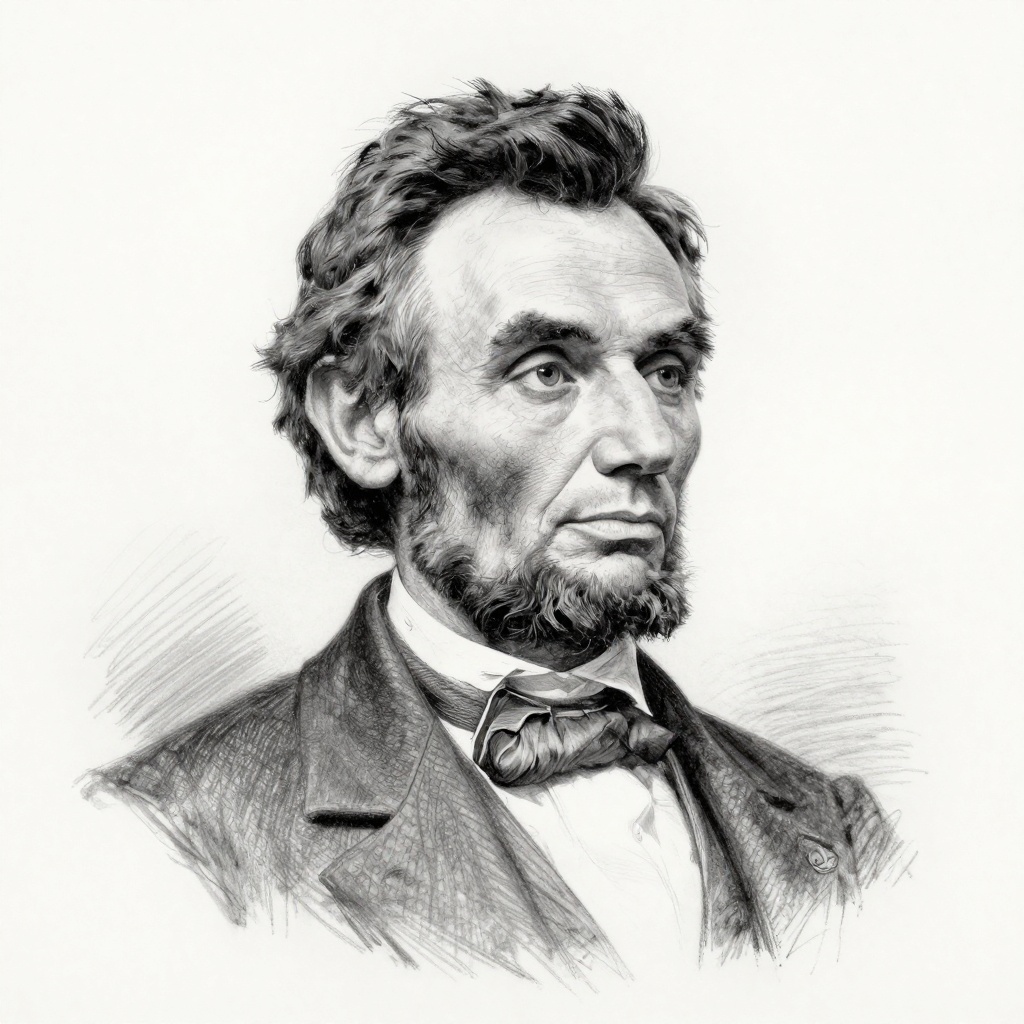
Comments