Quote · Added 14 February 2026
Government of the people, by the people, for the people, shall not perish from the Earth.
Abraham LincolnGettysburg Address, 1863
No ratings yet
Filed undergovernment·democracy·humanity
Quote · Added 14 February 2026
Filed undergovernment·democracy·humanity
We live in an age where "the people" feels slippery. When you scroll past arguments about what the majority actually wants, or watch politicians claim to speak for voters they've never met, Lincoln's phrase lands differently than it might in a civics textbook. He wasn't describing an ideal that was already achieved—he was naming something fragile that had to be actively defended, even as a civil war raged around him.
The real insight is that democracy isn't a destination you reach and then maintain on autopilot. It requires people—actual, regular people—to show up, stay informed, disagree productively, and refuse to let power concentrate too far from everyday voices. That can feel exhausting when the system seems broken or rigged. But Lincoln's point wasn't that democracy would be easy or always work perfectly. It was that the alternative—letting government become something distant, run by elites for elites—would hollow out the whole thing.
What makes this still vital is simpler than it sounds: when you engage locally, question what you're told, or push back on convenient narratives, you're not being idealistic. You're doing the actual work of keeping that government alive.
1809–1865·lived 56 years
Abraham Lincoln was the 16th President of the United States, serving from 1861 until his assassination in 1865. He is best known for leading the country through the Civil War, preserving the Union, and issuing the Emancipation Proclamation that led to the abolition of slavery in the United States.
Also by Abraham Lincoln
My best friend is a person who will give me a book I have not read.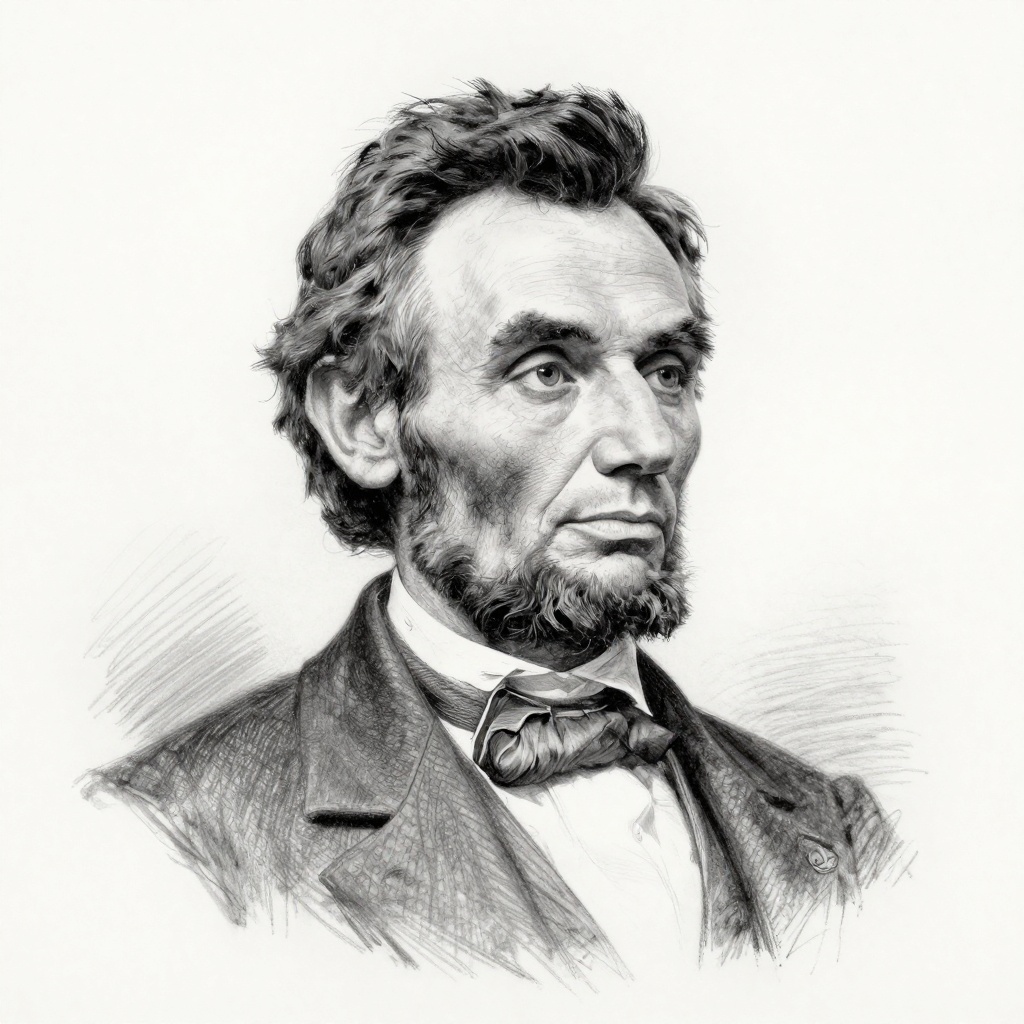
Comments