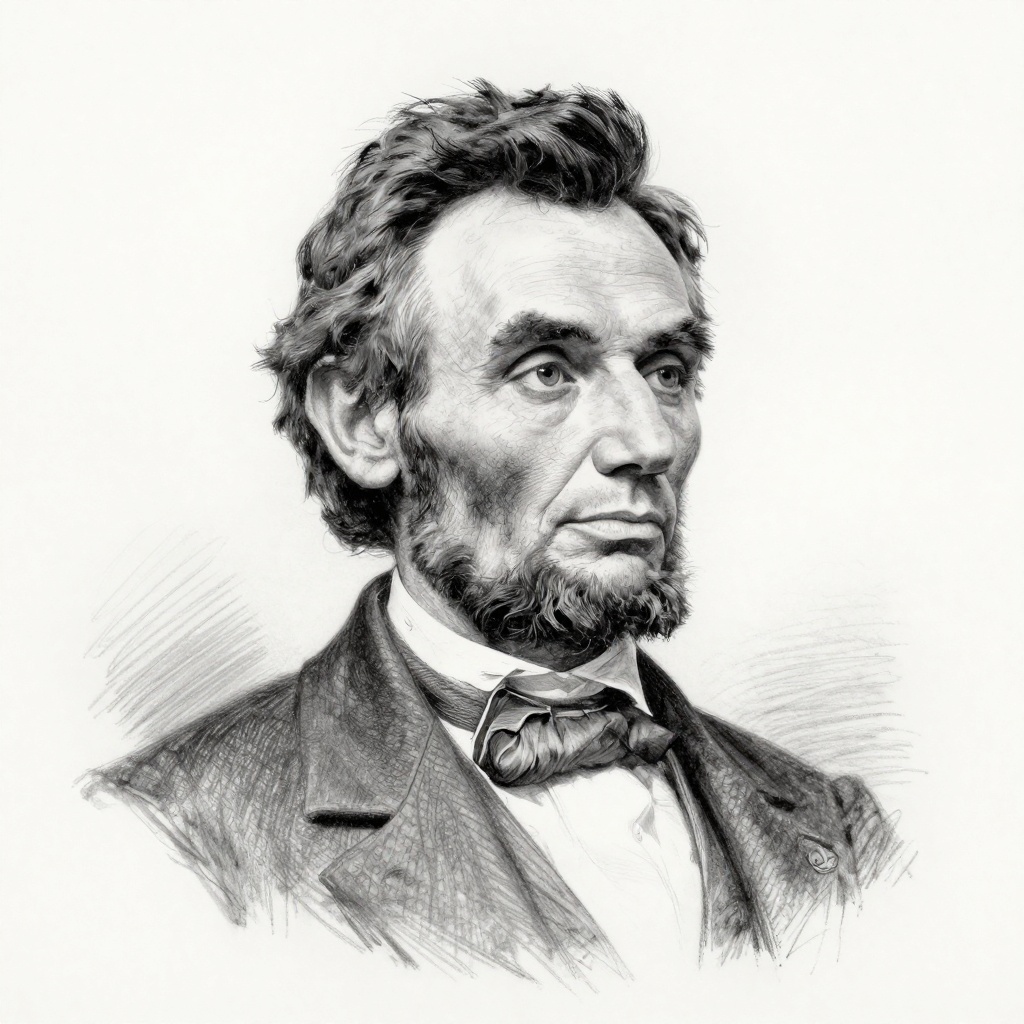
Discourage litigation. Persuade your neighbors to compromise whenever you can. As a peacemaker the lawyer has... — Abraham Lincoln

Discourage litigation. Persuade your neighbors to compromise whenever you can. As a peacemaker the lawyer has superior opportunity of being a good man. There will still be business enough.

Author: Abraham Lincoln

Insight: Most of us think of lawyers as people who win fights in court, but Lincoln saw something different: a lawyer's real power lies in talking people out of fighting altogether. It's an odd idea, especially coming from someone we remember as a wartime leader. But it points to something true about conflict that we still misunderstand today. We live in a culture obsessed with being right. Social media rewards people who dig in harder, not who find middle ground. Families fall apart over arguments that could have been settled with a conversation. Workplaces turn toxic over disputes that never needed to become wars. The temptation is always to escalate, to prove your point completely, to win decisively. Lincoln's advice cuts against that instinct. He's saying that the harder skill—and the one that takes more courage—is helping both sides step back and find what they can actually agree on. The counterintuitive part is his promise that there's still "business enough." He's not suggesting mediators starve or that compromise means weakness. Rather, he's saying that preventing ten conflicts is more valuable work than winning one. A good life, and a good society, needs fewer battles fought to the bitter end and more disagreements solved quietly, where both people can still look each other in the eye afterward.

Source: Notes for a Law Lecture, ca. July 1, 1850

The harder skill is stepping back

Discourage litigation. Persuade your neighbors to compromise whenever you can. As a peacemaker the lawyer has superior opportunity of being a good man. There will still be business enough.

Abraham LincolnNotes for a Law Lecture, ca. July 1, 1850

Most of us think of lawyers as people who win fights in court, but Lincoln saw something different: a lawyer's real power lies in talking people out of fighting altogether. It's an odd idea, especially coming from someone we remember as a wartime leader. But it points to something true about conflict that we still misunderstand today.

We live in a culture obsessed with being right. Social media rewards people who dig in harder, not who find middle ground. Families fall apart over arguments that could have been settled with a conversation. Workplaces turn toxic over disputes that never needed to become wars. The temptation is always to escalate, to prove your point completely, to win decisively. Lincoln's advice cuts against that instinct. He's saying that the harder skill—and the one that takes more courage—is helping both sides step back and find what they can actually agree on.

The counterintuitive part is his promise that there's still "business enough." He's not suggesting mediators starve or that compromise means weakness. Rather, he's saying that preventing ten conflicts is more valuable work than winning one. A good life, and a good society, needs fewer battles fought to the bitter end and more disagreements solved quietly, where both people can still look each other in the eye afterward.

AI generated

Comments

Sign in to leave a comment or reply to one.

Sign in

Abraham Lincoln

Abraham Lincoln was the 16th President of the United States, serving from 1861 until his assassination in 1865. He is best known for leading the country through the Civil War, preserving the Union, and issuing the Emancipation Proclamation that led to the abolition of slavery in the United States.

Graph

Related