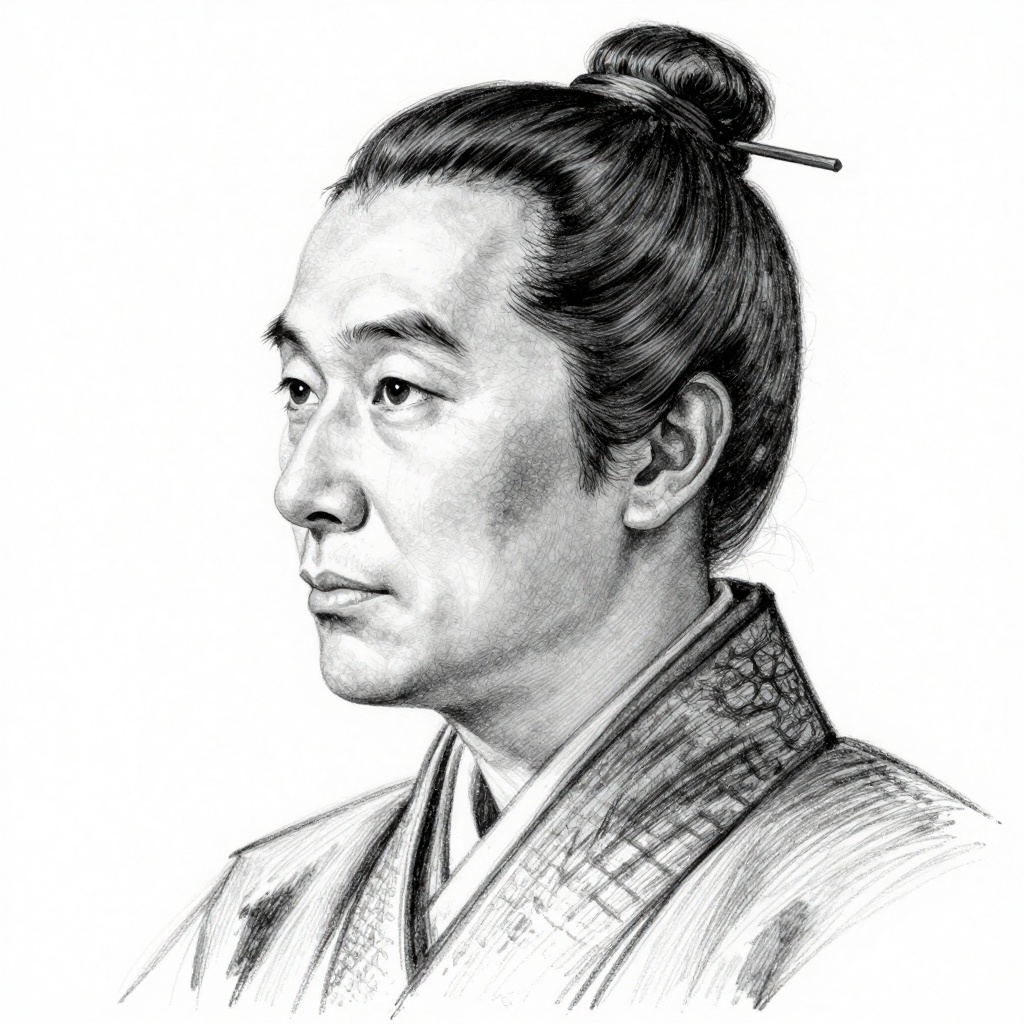
Nothing is impossible in this world. Firm determination, it is said, can move heaven and earth. Things appear... — Yamamoto Tsunetomo

Nothing is impossible in this world. Firm determination, it is said, can move heaven and earth. Things appear far beyond one's power, because one cannot set his heart on any arduous project due to want of strong will.

Author: Yamamoto Tsunetomo

Insight: We've all felt that gap between what we want and what seems possible. The job feels out of reach. The conversation feels too hard to have. The habit feels too ingrained to break. But Tsunetomo's insight cuts through that—he's saying the problem usually isn't the actual difficulty of the thing. It's that we've already decided it's impossible before we've really tried. What's quietly radical here is that he's not talking about positive thinking or willpower in the modern self-help sense. He's pointing at something deeper: most of the time, we don't even set our hearts on the thing in the first place. We talk ourselves out of it preemptively. We admire people who "move heaven and earth" and assume they're superhuman, when really they just decided the goal was worth it and stopped negotiating with themselves about whether they could do it. The non-obvious part is that this isn't actually about whether something is hard. It's about the moment right before you commit—when you're still hedging your bets, keeping one foot out the door, protecting yourself from disappointment. That hesitation isn't caution. It's the thing actually stopping you. Real determination doesn't require unusual talent or circumstances. It just requires a decision made so firmly that the obstacles become secondary.

You decide before you try

Nothing is impossible in this world. Firm determination, it is said, can move heaven and earth. Things appear far beyond one's power, because one cannot set his heart on any arduous project due to want of strong will.

We've all felt that gap between what we want and what seems possible. The job feels out of reach. The conversation feels too hard to have. The habit feels too ingrained to break. But Tsunetomo's insight cuts through that—he's saying the problem usually isn't the actual difficulty of the thing. It's that we've already decided it's impossible before we've really tried.

What's quietly radical here is that he's not talking about positive thinking or willpower in the modern self-help sense. He's pointing at something deeper: most of the time, we don't even set our hearts on the thing in the first place. We talk ourselves out of it preemptively. We admire people who "move heaven and earth" and assume they're superhuman, when really they just decided the goal was worth it and stopped negotiating with themselves about whether they could do it.

The non-obvious part is that this isn't actually about whether something is hard. It's about the moment right before you commit—when you're still hedging your bets, keeping one foot out the door, protecting yourself from disappointment. That hesitation isn't caution. It's the thing actually stopping you. Real determination doesn't require unusual talent or circumstances. It just requires a decision made so firmly that the obstacles become secondary.

AI generated

Comments

Sign in to leave a comment or reply to one.

Sign in

Yamamoto Tsunetomo

Yamamoto Tsunetomo was a Japanese samurai and author born in 1659, best known for his work "Hagakure," a guide to the samurai way of life and bushido code. Serving as a retainer to the Nabeshima clan in Saga, he became a prominent figure in defining the philosophical principles and ethical conduct of the samurai in the early 18th century. Tsunetomo passed away in 1719, leaving a lasting influence on Japanese culture and martial arts.

Graph

Related