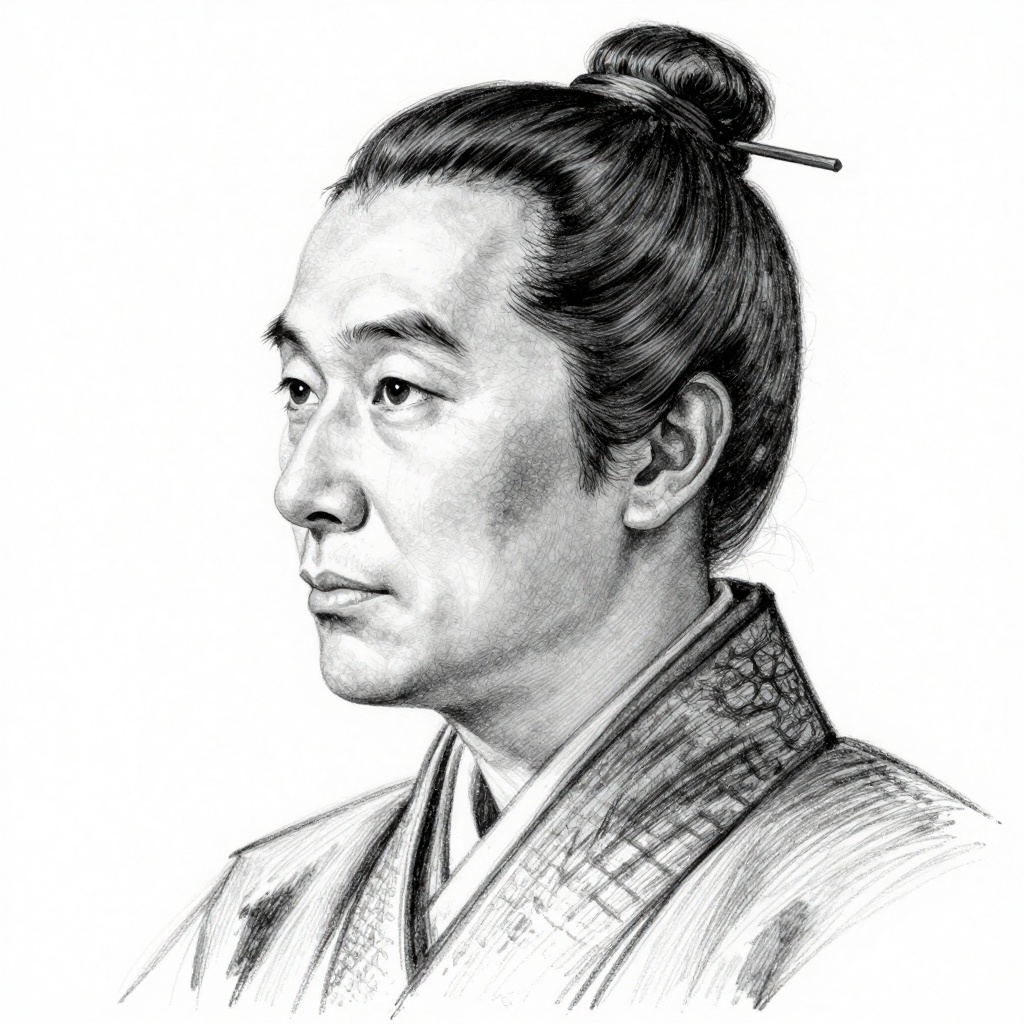
All of us want to live, and that is absolutely natural. However, we should learn from childhood on to choose o... — Yamamoto Tsunetomo

All of us want to live, and that is absolutely natural. However, we should learn from childhood on to choose our best way to die. If we don't do that, we end up spending our days like a dog, only in search of harbour, food and expressing a blind loyalty to his owner in return. That isn't enough to make our lives have a meaning.

Author: Yamamoto Tsunetomo

Insight: This isn't really about dying well—it's about refusing to sleepwalk through life. Yamamoto is pointing at something we all recognize: the trap of just getting by. You wake up, you work, you consume, you sleep, and somehow years dissolve. The "dog" isn't a cruel image; it's honest. Dogs are loyal and fed and safe, but they're not choosing anything. They're following the path in front of them. What makes this unsettling is that he's right that most of us do live this way, at least partially. We inherit our schedules and desires without asking whether they're actually ours. We stay in comfortable situations because the alternative feels risky. But Yamamoto's suggestion—to choose your way to die—is really asking you to choose your way to live. What would matter enough to you that you'd organize your whole life around it? What would make it worth looking back and feeling like you actually lived, not just persisted? The counterintuitive part is that thinking seriously about your own death often makes life sharper, not bleaker. It cuts through the noise. When you stop accepting whatever's handed to you and start asking what's genuinely worth your time, you stop being a dog with a comfortable leash. You become someone with an actual direction.

Stop sleepwalking through comfort

All of us want to live, and that is absolutely natural. However, we should learn from childhood on to choose our best way to die. If we don't do that, we end up spending our days like a dog, only in search of harbour, food and expressing a blind loyalty to his owner in return. That isn't enough to make our lives have a meaning.

This isn't really about dying well—it's about refusing to sleepwalk through life. Yamamoto is pointing at something we all recognize: the trap of just getting by. You wake up, you work, you consume, you sleep, and somehow years dissolve. The "dog" isn't a cruel image; it's honest. Dogs are loyal and fed and safe, but they're not choosing anything. They're following the path in front of them.

What makes this unsettling is that he's right that most of us do live this way, at least partially. We inherit our schedules and desires without asking whether they're actually ours. We stay in comfortable situations because the alternative feels risky. But Yamamoto's suggestion—to choose your way to die—is really asking you to choose your way to live. What would matter enough to you that you'd organize your whole life around it? What would make it worth looking back and feeling like you actually lived, not just persisted?

The counterintuitive part is that thinking seriously about your own death often makes life sharper, not bleaker. It cuts through the noise. When you stop accepting whatever's handed to you and start asking what's genuinely worth your time, you stop being a dog with a comfortable leash. You become someone with an actual direction.

AI generated

Comments

Sign in to leave a comment or reply to one.

Sign in

Yamamoto Tsunetomo

Yamamoto Tsunetomo was a Japanese samurai and author born in 1659, best known for his work "Hagakure," a guide to the samurai way of life and bushido code. Serving as a retainer to the Nabeshima clan in Saga, he became a prominent figure in defining the philosophical principles and ethical conduct of the samurai in the early 18th century. Tsunetomo passed away in 1719, leaving a lasting influence on Japanese culture and martial arts.

Graph

Related