Quote · Added 14 February 2026
If you want to make enemies, try to change something.
Woodrow WilsonAddress to Salesmanship Congress in Detroit, 1916 July 10
No ratings yet
Filed underchange·conflict·relationships
Quote · Added 14 February 2026
Filed underchange·conflict·relationships
Change is inherently threatening because it disrupts the comfortable arrangements people have built their lives around. When you propose doing something differently—whether it's a new process at work, a shift in how your family operates, or a social reform—you're not just suggesting a better way. You're implying that the current way, which people have invested in and defended, might be wrong. That lands like criticism, even when you never intended it that way.
The tricky part is that this resistance isn't always irrational stubbornness. People have real reasons to prefer stability: they've learned how to navigate the current system, their status depends on it, or they've genuinely benefited from things as they are. When you threaten to change it, you're threatening them too, at least in their own minds. That's enough to turn someone who was neutral into someone actively working against you.
The practical insight here isn't to abandon change or give up on improvement. It's to understand that friction is almost guaranteed, and that doesn't mean your idea is wrong. It just means change always has a cost for someone. Recognizing that cost upfront—and sometimes even acknowledging it directly—can transform enemies into skeptics you might actually persuade.
1856–1924·lived 67 years
Woodrow Wilson was the 28th President of the United States, serving from 1913 to 1921. He was a key figure during World War I and is best known for his Fourteen Points, which laid the groundwork for the League of Nations. Prior to his presidency, Wilson was the governor of New Jersey and a president of Princeton University.
Also by Woodrow Wilson
Friendship is the only cement that will ever hold the world together.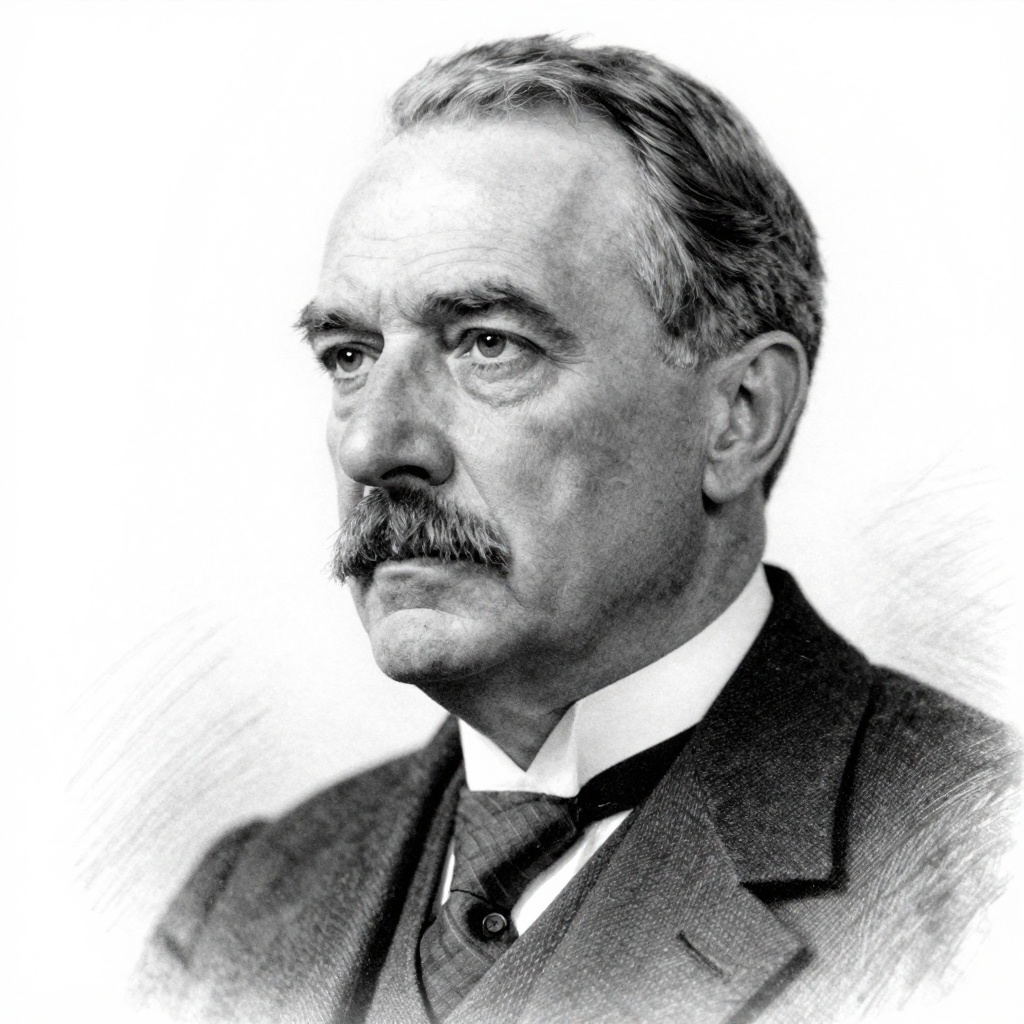
Comments