Quote · Added 15 February 2026
Reading
AI generatedCourage Means Seeing the Cost
Most of us think courage means not being afraid—the soldier who charges into battle without flinching, the person who speaks up without hesitation. But Sherman's definition flips that around. Real courage, by this measure, is actually about being acutely aware of what could go wrong and choosing to proceed anyway. It's the difference between recklessness and bravery. A reckless person doesn't see the danger. A courageous one sees it clearly and decides the thing is worth doing anyway.
This matters in everyday life more than we realize. When you're considering a difficult conversation with someone you care about, courage isn't about feeling confident it'll go well. It's about recognizing exactly how badly it could go—the awkwardness, the hurt feelings, the relationship damage—and doing it anyway because honesty matters more. Same with career changes, admitting mistakes, or standing up for an unpopular belief. The moment of real courage is when you've fully calculated the cost and you're willing to pay it.
The tricky part is that this kind of courage requires honesty with yourself first. You have to actually measure the danger, not minimize it or pretend it doesn't exist. That's harder than just being bold.
The author
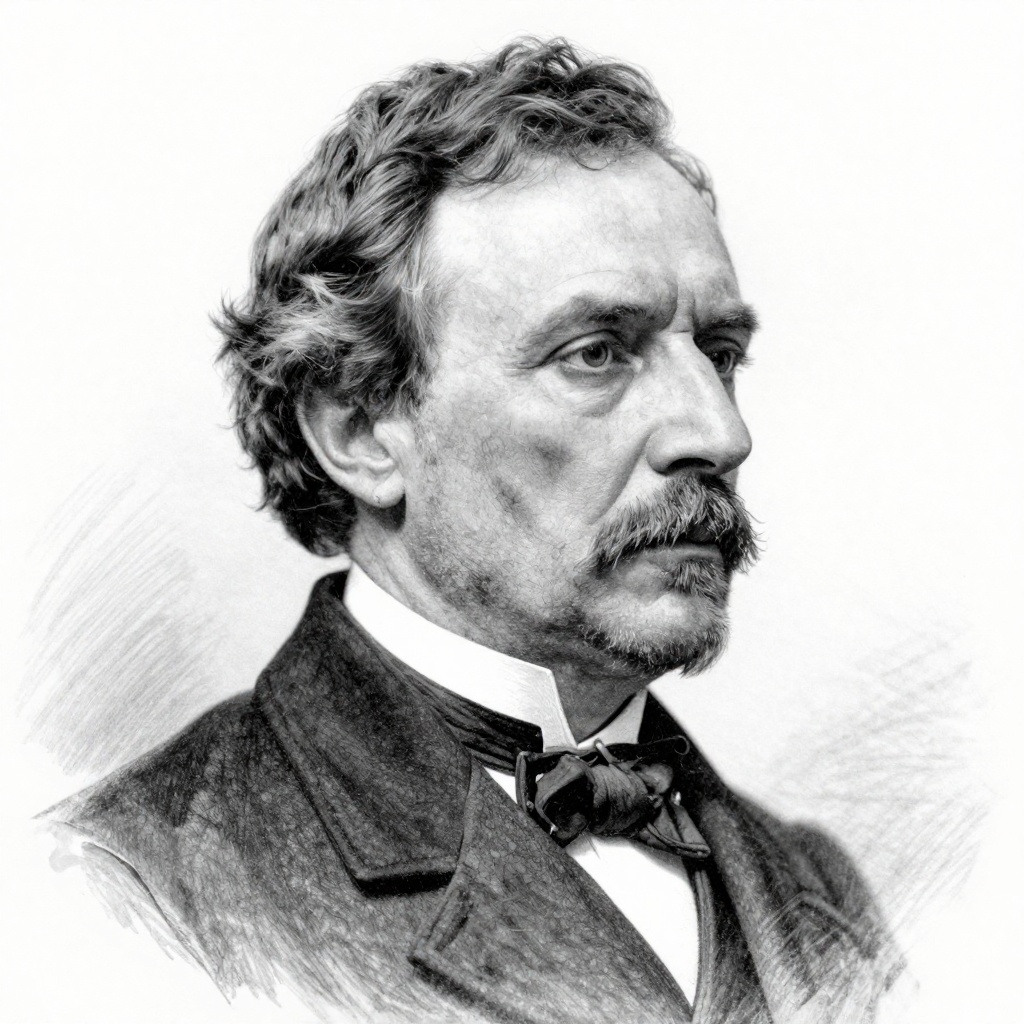
William Tecumseh Sherman
1820–1891·lived 71 years
William Tecumseh Sherman was a Union general during the American Civil War, known for his strategic military leadership and for implementing "total war" tactics, particularly during his infamous March to the Sea in 1864. He played a crucial role in the defeat of the Confederate Army and is also recognized for his contributions to the post-war reconstruction efforts. Sherman's military career continued as he served as Commanding General of the United States Army from 1869 to 1883.
Comments