Quote · Added 9 September 2023
Wisely, and slow. They stumble that run fast.
William ShakespeareRomeo and Juliet, Act 2, Scene 3
Quote · Added 9 September 2023
We live in a culture obsessed with speed. Fast decisions, fast careers, fast results—we've learned to see deliberation as weakness and patience as procrastination. But Shakespeare's warning cuts through this pretty cleanly: the people rushing aren't winning the race; they're falling over their own feet.
The thing is, stumbling often feels invisible until it's too late. You sprint through a decision and miss a crucial detail. You hurry through a relationship and wonder why it crumbled. You push hard on a project and burn out before the finish line. By then, the damage isn't just about lost time—it's about having to backtrack and rebuild what haste broke. Slowness, by contrast, looks like it's costing you, but it's actually compounding in your favor. You notice things. You adjust. You don't have to recover from preventable mistakes.
The real insight here isn't that speed is always bad—it's that wisdom and speed are almost never friends. Wisdom requires the friction of thinking things through, of sitting with uncertainty, of letting information actually change your mind. When you're moving that fast, you're mostly just confirming what you already believed. The stumble Shakespeare warned about isn't just physical—it's the kind of trip that sets your whole direction wrong.
1564–1616·lived 52 years
William Shakespeare was an English playwright and poet, widely regarded as one of the greatest writers in the English language. Known for his iconic works such as "Romeo and Juliet," "Hamlet," and "Macbeth," Shakespeare's plays continue to be performed and studied around the world, showcasing his profound understanding of human nature and his timeless storytelling.
Also by William Shakespeare
Life is a tale told by an idiot, full of sound and fury, signifying nothing.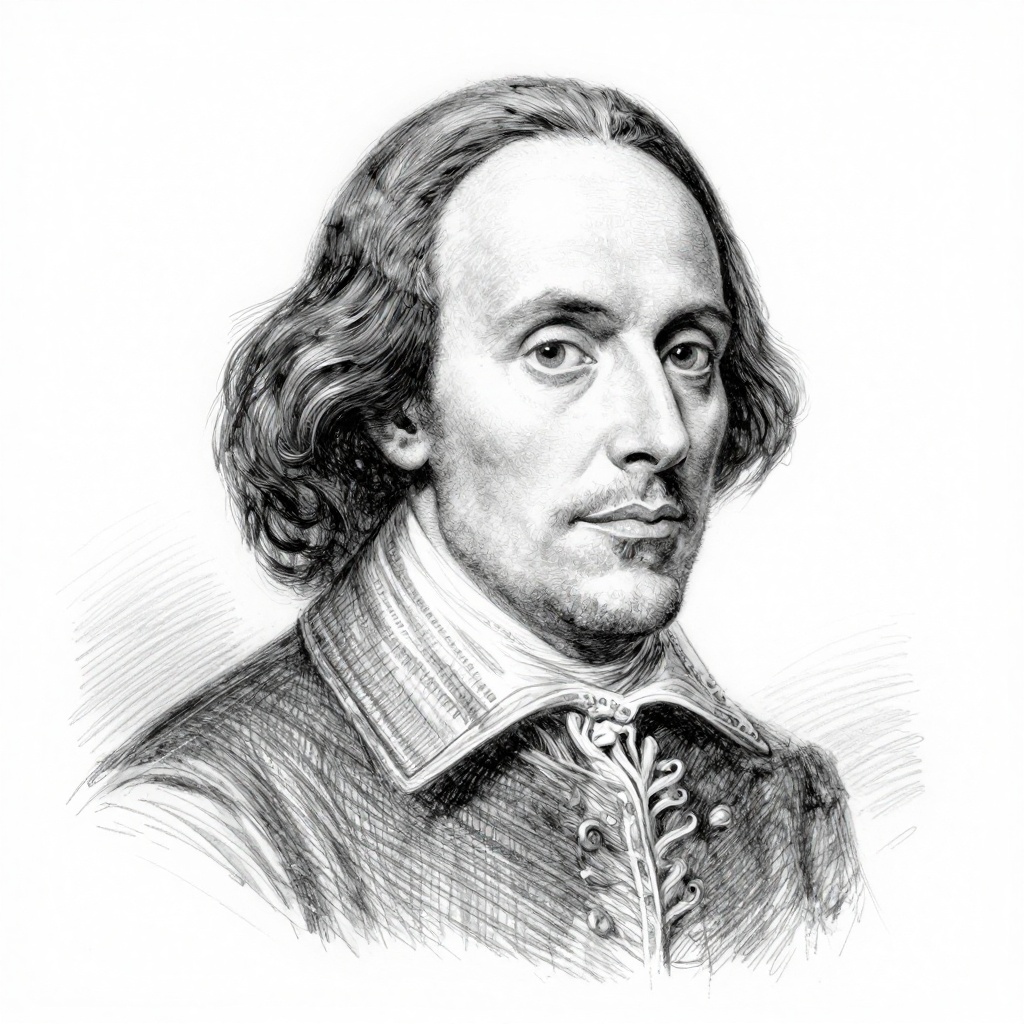
Comments