Quote · Added 14 February 2026
What's in a name? That which we call a rose by any other name would smell as sweet.
William ShakespeareReflections on Spelling and the Authorship Question, Shakespeare Oxford Fellowship, 2018
Quote · Added 14 February 2026
We instinctively believe that labels don't matter—that a thing is what it is regardless of what we call it. But this comforting idea breaks down the moment we step into real life. The same wine tastes different when you're told it costs fifty dollars versus five. A used item feels better when it's called "vintage" instead of "old." We don't actually experience things in some pure, label-free way. The name shapes the entire experience, which means Shakespeare's rose wisdom only works in a lab, not in a human heart.
What makes this particularly worth noticing is that we're constantly naming things—about ourselves, other people, situations we face. You're not just tired; you're "burnt out." A disagreement isn't just a disagreement; it's "betrayal." These words carry weight and momentum. They change how we think about what's happening and what we do next. The rose would indeed smell the same chemically, but we're not roses, and we're not chemists. We're storytellers living inside the stories we tell.
The real skill might be recognizing which names serve us and which ones trap us—when a label is simply descriptive versus when it's become a cage we've locked ourselves into.
1564–1616·lived 52 years
William Shakespeare was an English playwright and poet, widely regarded as one of the greatest writers in the English language. Known for his iconic works such as "Romeo and Juliet," "Hamlet," and "Macbeth," Shakespeare's plays continue to be performed and studied around the world, showcasing his profound understanding of human nature and his timeless storytelling.
Also by William Shakespeare
Life is a tale told by an idiot, full of sound and fury, signifying nothing.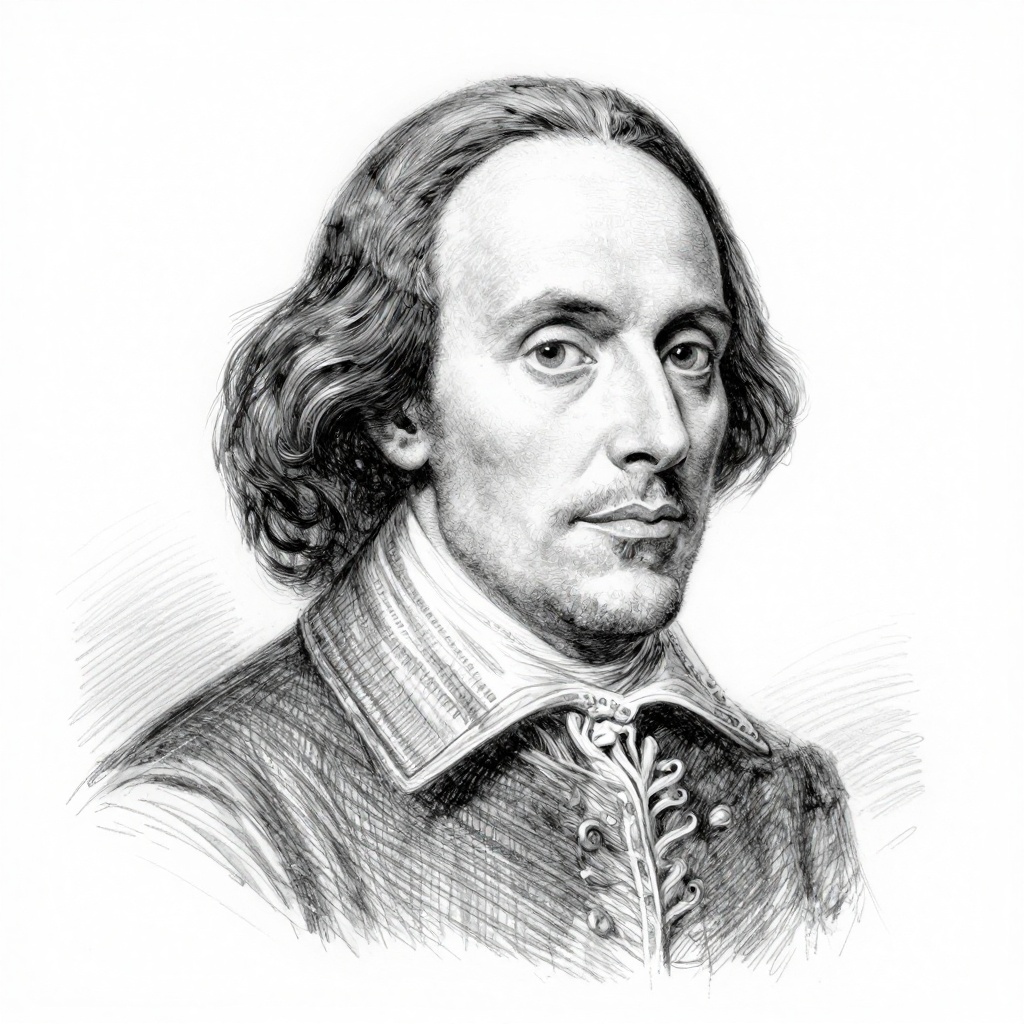
Comments