Quote · Added 13 February 2026
We know what we are, but know not what we may be.
William ShakespeareHamlet, Act 4, Scene 5
Filed underidentity·potential·uncertainty
Quote · Added 13 February 2026
Filed underidentity·potential·uncertainty
There's something both humbling and liberating about this idea. Right now, you know your habits, your skills, your temperament—the person you've become through experience and circumstance. But Shakespeare is pointing at something we often forget: that version of you is a snapshot, not a destiny. You're also full of untapped potential that only reveals itself through attempting things you haven't tried yet.
The tricky part is that we tend to treat our current limitations as permanent. Someone says they're "not a creative person" or "bad at public speaking" and stops there, as if that's settled fact. But those labels describe who you've been in specific contexts—not a fixed law of nature. The gap between what you are and what you might become often closes quietly, through small experiments and unexpected opportunities that force growth.
This matters most when you're stuck or discouraged. The situations where you feel most trapped—a dead-end job, a relationship pattern, a skill you think you lack—are often just the places where you haven't yet pushed yourself to discover something new. You're not stuck because you lack potential; you're stuck because potential is invisible until you move toward it.
1564–1616·lived 52 years
William Shakespeare was an English playwright and poet, widely regarded as one of the greatest writers in the English language. Known for his iconic works such as "Romeo and Juliet," "Hamlet," and "Macbeth," Shakespeare's plays continue to be performed and studied around the world, showcasing his profound understanding of human nature and his timeless storytelling.
Also by William Shakespeare
Life is a tale told by an idiot, full of sound and fury, signifying nothing.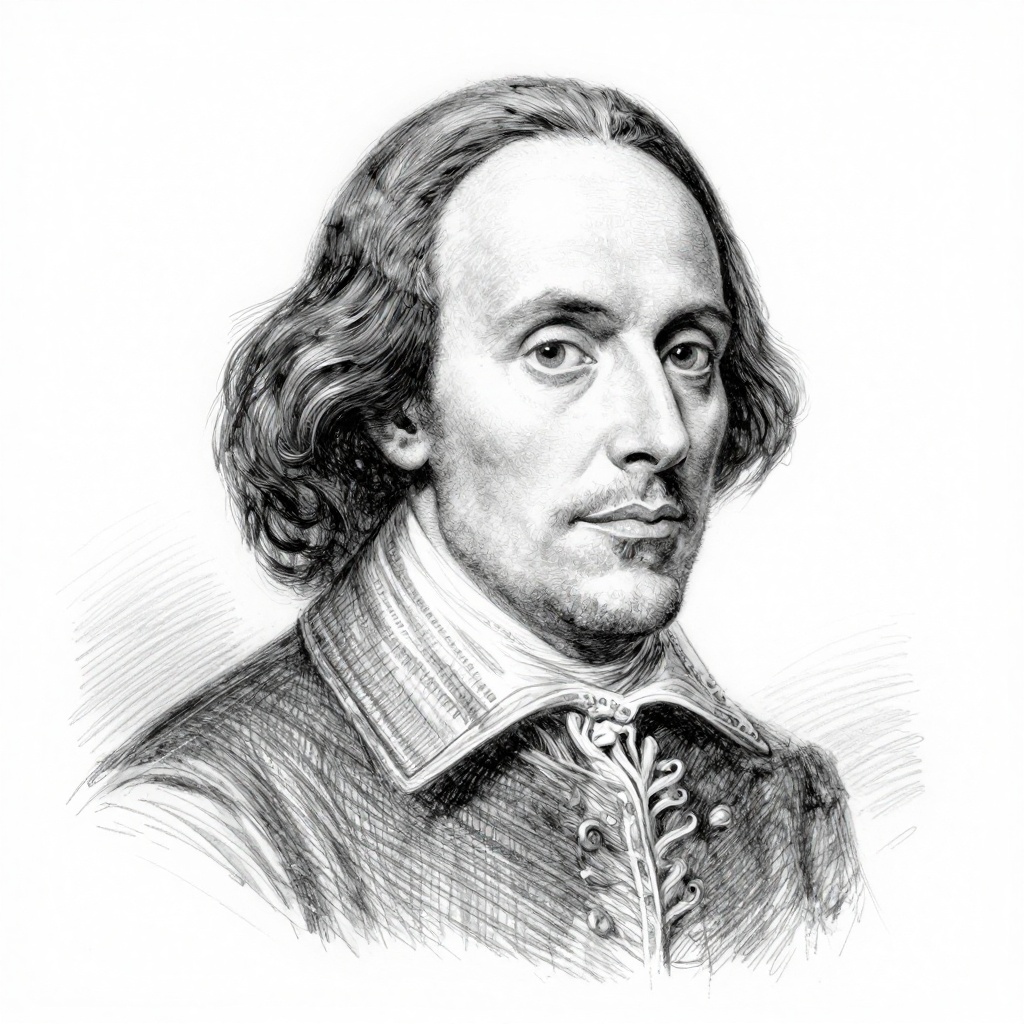
Comments