Quote · Added 14 February 2026
Uneasy lies the head that wears a crown.
William ShakespeareHenry IV, Part 2, Act 3, Scene 1
Quote · Added 14 February 2026
There's something almost universal about this line that goes way beyond thrones and kingdoms. Shakespeare was describing the peculiar loneliness of power—how the higher you climb, the harder it becomes to actually rest. But it applies equally to the parent who can't stop worrying about their kid's future, the manager responsible for layoffs, or the friend everyone leans on emotionally. The moment you carry responsibility for others, your sleep genuinely changes. Your mind stays alert for problems, and even when your body shuts down, some part of you stays vigilant.
What's interesting is that we often romanticize having authority or influence, imagining it as pure freedom or satisfaction. But Shakespeare nails the hidden cost: anxiety doesn't respect titles. The crown might be metaphorical—leadership at work, trust in a relationship, the burden of being the "strong one"—but the unease remains. You're always aware that others depend on your decisions, that you can't fully let your guard down.
The deeper insight isn't that power is bad. It's that genuine rest requires not just time off, but a genuine release of responsibility. That's why so many people struggle with it. Until you actually hand the crown to someone else for a while, your head won't truly settle.
1564–1616·lived 52 years
William Shakespeare was an English playwright and poet, widely regarded as one of the greatest writers in the English language. Known for his iconic works such as "Romeo and Juliet," "Hamlet," and "Macbeth," Shakespeare's plays continue to be performed and studied around the world, showcasing his profound understanding of human nature and his timeless storytelling.
Also by William Shakespeare
Life is a tale told by an idiot, full of sound and fury, signifying nothing.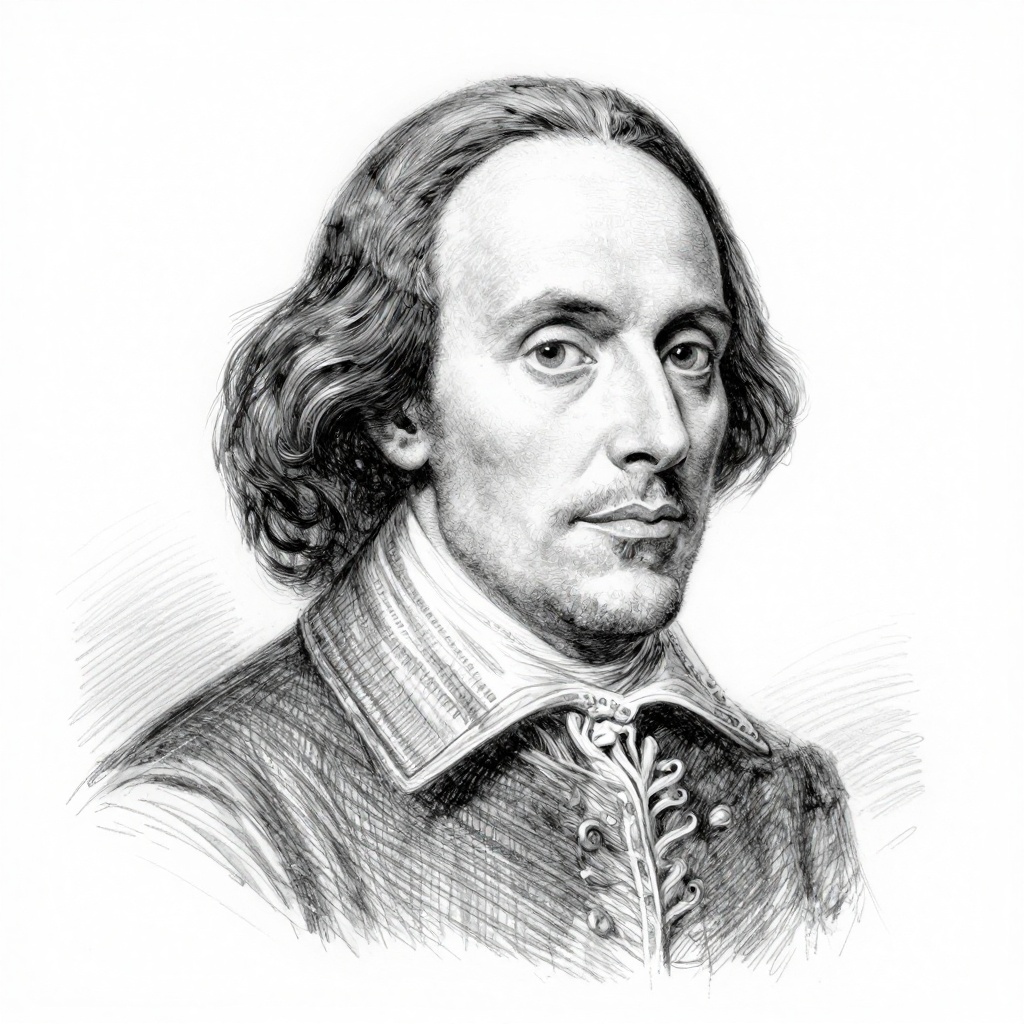
Comments