Quote · Added 14 February 2026
Time and the hour run through the roughest day.
William ShakespeareMacbeth
Filed undertime·perseverance·resilience
Quote · Added 14 February 2026
Filed undertime·perseverance·resilience
We all know that feeling when a day seems impossibly hard—when you're stuck in a difficult conversation, a painful situation, or a stretch of exhaustion that feels like it might never end. What Shakespeare understood is that there's a quiet power in simply letting time do its work. Hours pass. The day moves forward. Not because you've solved everything or fixed what's broken, but because time itself is relentless and indifferent in the best possible way.
The tricky part is that this works best when you stop fighting it. We often make rough days rougher by insisting that we should feel better right now, or solve the problem before the sun sets. But time isn't asking permission—it's running through anyway, carrying you past the moment you're stuck in, whether you cooperate or resist. The day will change. Tomorrow will come. That's not magical thinking; it's just how minutes work.
This matters because it reframes what we actually need to do on a hard day: not to conquer it or transcend it, but to survive it with some grace. Show up. Get through the next hour. Let the clock do its job. Sometimes the roughest days teach us their lessons precisely because we're forced to endure rather than control them. That endurance itself becomes the point.
1564–1616·lived 52 years
William Shakespeare was an English playwright and poet, widely regarded as one of the greatest writers in the English language. Known for his iconic works such as "Romeo and Juliet," "Hamlet," and "Macbeth," Shakespeare's plays continue to be performed and studied around the world, showcasing his profound understanding of human nature and his timeless storytelling.
Also by William Shakespeare
Life is a tale told by an idiot, full of sound and fury, signifying nothing.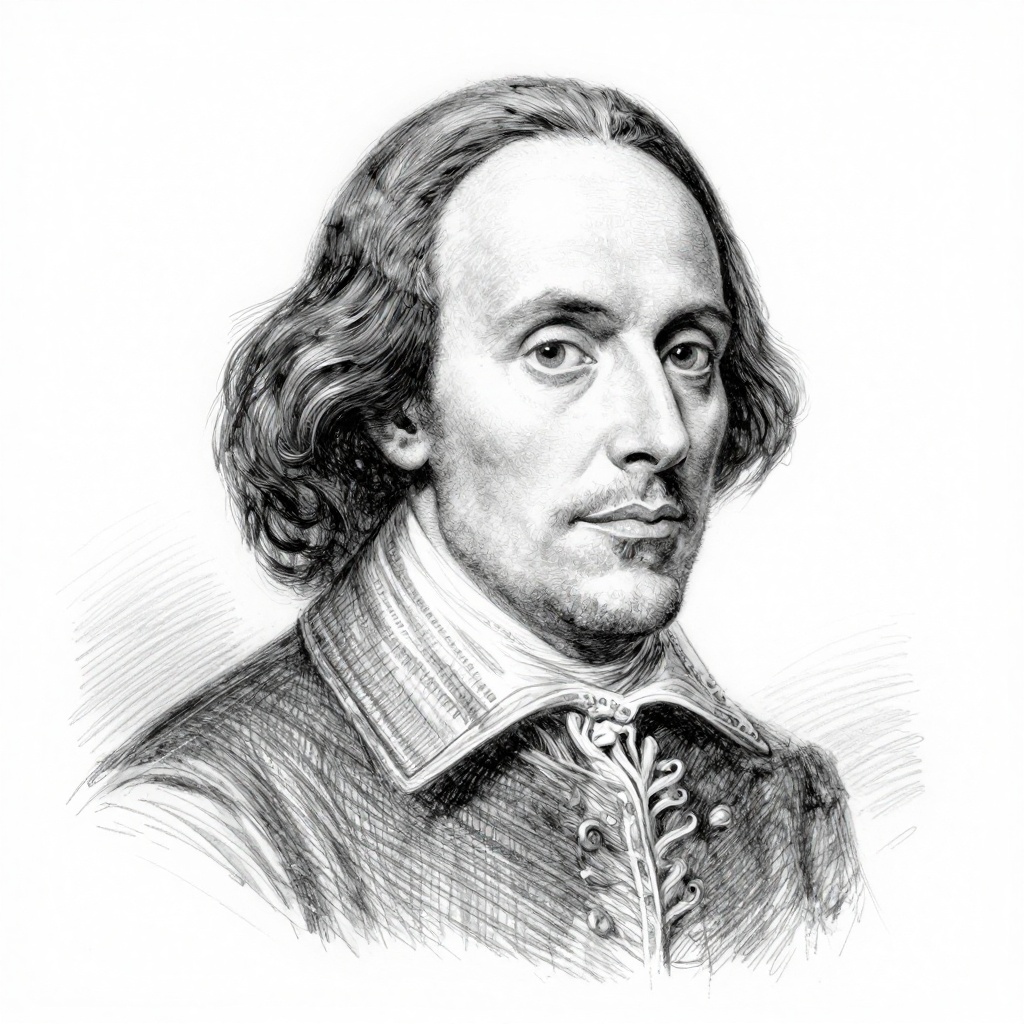
Comments