Quote · Added 14 February 2026
There is nothing either good or bad but thinking makes it so.
William ShakespeareHamlet, Act 2, Scene 2
Filed underthinking·perception·morality
Quote · Added 14 February 2026
Filed underthinking·perception·morality
The most liberating part of this idea is that it doesn't mean everything is fine, or that you should ignore real problems. It means the gap between what happens and how you experience it is actually yours to shape. You lose a job—that's concrete. But whether that becomes a catastrophe or an unexpected chance to reset depends almost entirely on the story you tell yourself about it over the next few hours and days.
This matters because we tend to treat our first emotional reaction as truth rather than as information we can update. Something embarrassing happens at work and your brain immediately concludes you're incompetent; a friend cancels plans and you feel rejected; you make a mistake and it means you're fundamentally flawed. But none of those conclusions are locked in. They're interpretations, and interpretations can be examined and revised. The power isn't in forcing yourself to feel happy about bad things—it's in recognizing that your mind has real flexibility in how it frames events.
The catch is that this flexibility requires actual work. It's not positive thinking or ignoring reality. It's the deliberate practice of catching your interpretations and asking whether they're the only story available. Sometimes they're not. And that's where your actual agency lives.
1564–1616·lived 52 years
William Shakespeare was an English playwright and poet, widely regarded as one of the greatest writers in the English language. Known for his iconic works such as "Romeo and Juliet," "Hamlet," and "Macbeth," Shakespeare's plays continue to be performed and studied around the world, showcasing his profound understanding of human nature and his timeless storytelling.
Also by William Shakespeare
Life is a tale told by an idiot, full of sound and fury, signifying nothing.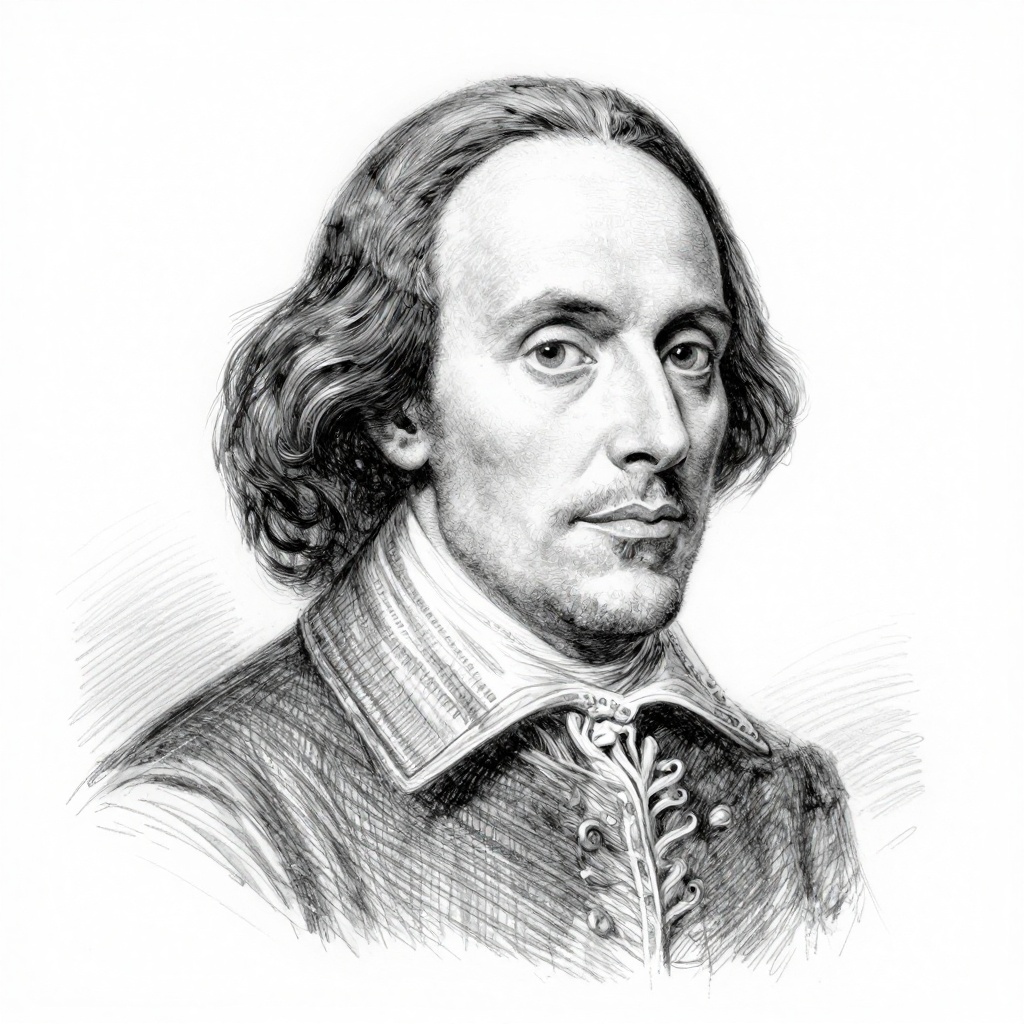
Comments