Quote · Added 14 February 2026
Talking isn't doing. It is a kind of good deed to say well; and yet words are not deeds.
William ShakespeareHenry VIII
Quote · Added 14 February 2026
We live in an age of constant declaration. We post about our values, tweet our outrage, announce our intentions, and share our plans. There's something satisfying about stating what we believe or what we're going to do—it can feel like we've already started. But Shakespeare nails something we know but keep forgetting: saying the thing and doing the thing are entirely different animals. The person who talks endlessly about getting fit isn't fit. The friend who's always saying "I should check on you more" isn't actually showing up.
What makes this trickier is that talking can be good. Expressing kindness, naming a problem, sharing an idea—these matter. Words absolutely have power. But there's a weird psychology where articulating something can actually let us off the hook. We get the emotional satisfaction of having taken a position without any of the friction of follow-through. We mistake clarity for commitment.
The practical question becomes: where are you mostly talking, and where could you quietly do? Not everything needs fanfare. Some of the most meaningful changes happen without announcement—the daily habit picked up, the person helped without mention, the boundary kept without explanation. Shakespeare's point isn't that words are worthless. It's that they're not currency. They're just the promise. The deed is the payment.
1564–1616·lived 52 years
William Shakespeare was an English playwright and poet, widely regarded as one of the greatest writers in the English language. Known for his iconic works such as "Romeo and Juliet," "Hamlet," and "Macbeth," Shakespeare's plays continue to be performed and studied around the world, showcasing his profound understanding of human nature and his timeless storytelling.
Also by William Shakespeare
Life is a tale told by an idiot, full of sound and fury, signifying nothing.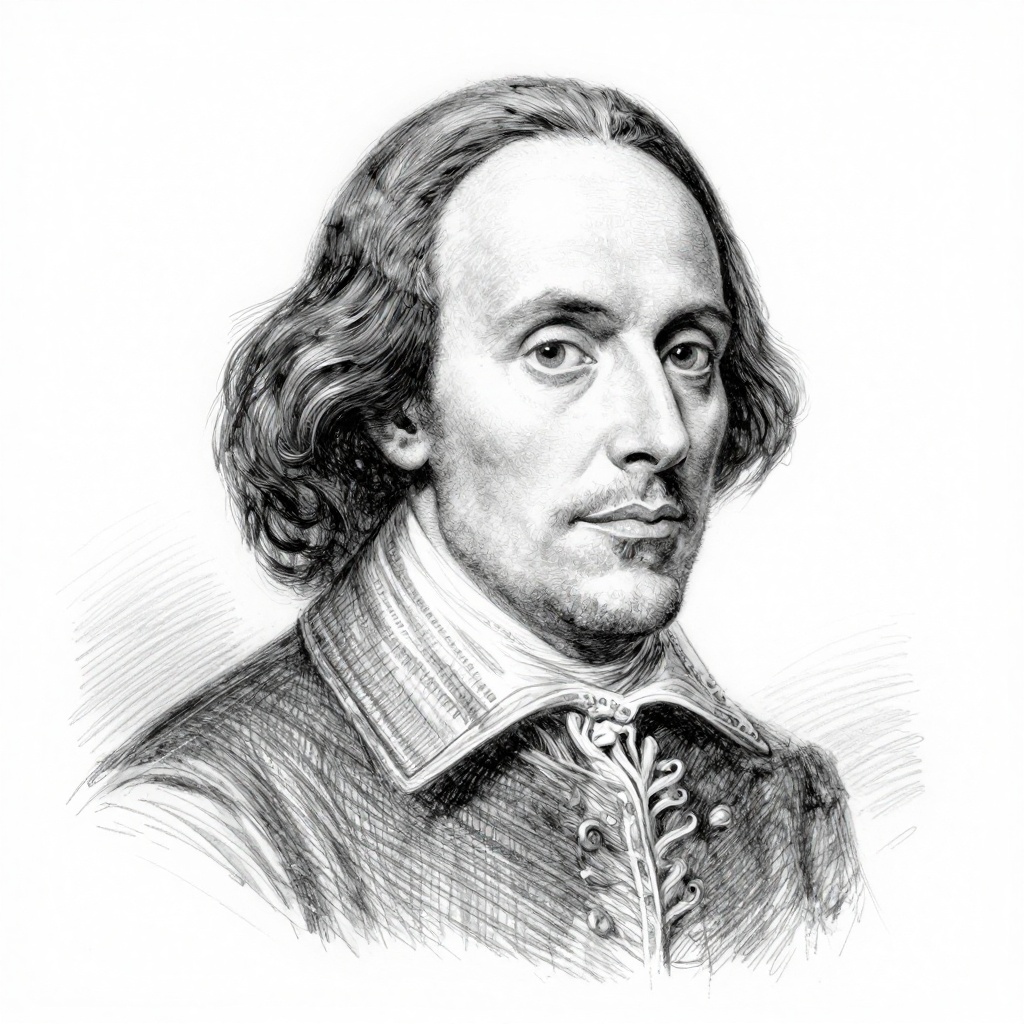
Comments