Quote · Added 14 February 2026
Our doubts are traitors and make us lose the good we oft might win by fearing to attempt.
William ShakespeareMeasure for Measure, Act 1, Scene 4
Quote · Added 14 February 2026
We've all been there—standing at the edge of something that could matter, talking ourselves out of it before we even try. That job we'd be perfect for. The conversation we need to have. The creative thing we've been meaning to start. Shakespeare's point isn't that doubt itself is the problem. It's that doubt becomes treacherous when it stops us from acting. The real loss isn't failure; it's the opportunity we never tested because we were too busy imagining everything that could go wrong.
The trick is recognizing that doubt loves to disguise itself as wisdom. It whispers that you're being "realistic" or "careful," when really it's just fear wearing a sensible coat. We protect ourselves from potential embarrassment by avoiding the attempt entirely—which somehow feels safer than risking an actual no. But that calculation is backwards. The regret of never trying almost always outlasts the sting of trying and failing.
This matters because most of us overestimate how much our one attempt matters to other people while underestimating how much it matters to us. You're probably not as exposed by trying as your doubt claims. And the person you might become if you actually went for it? That version of you is worth more than the comfort of staying small.
1564–1616·lived 52 years
William Shakespeare was an English playwright and poet, widely regarded as one of the greatest writers in the English language. Known for his iconic works such as "Romeo and Juliet," "Hamlet," and "Macbeth," Shakespeare's plays continue to be performed and studied around the world, showcasing his profound understanding of human nature and his timeless storytelling.
Also by William Shakespeare
Life is a tale told by an idiot, full of sound and fury, signifying nothing.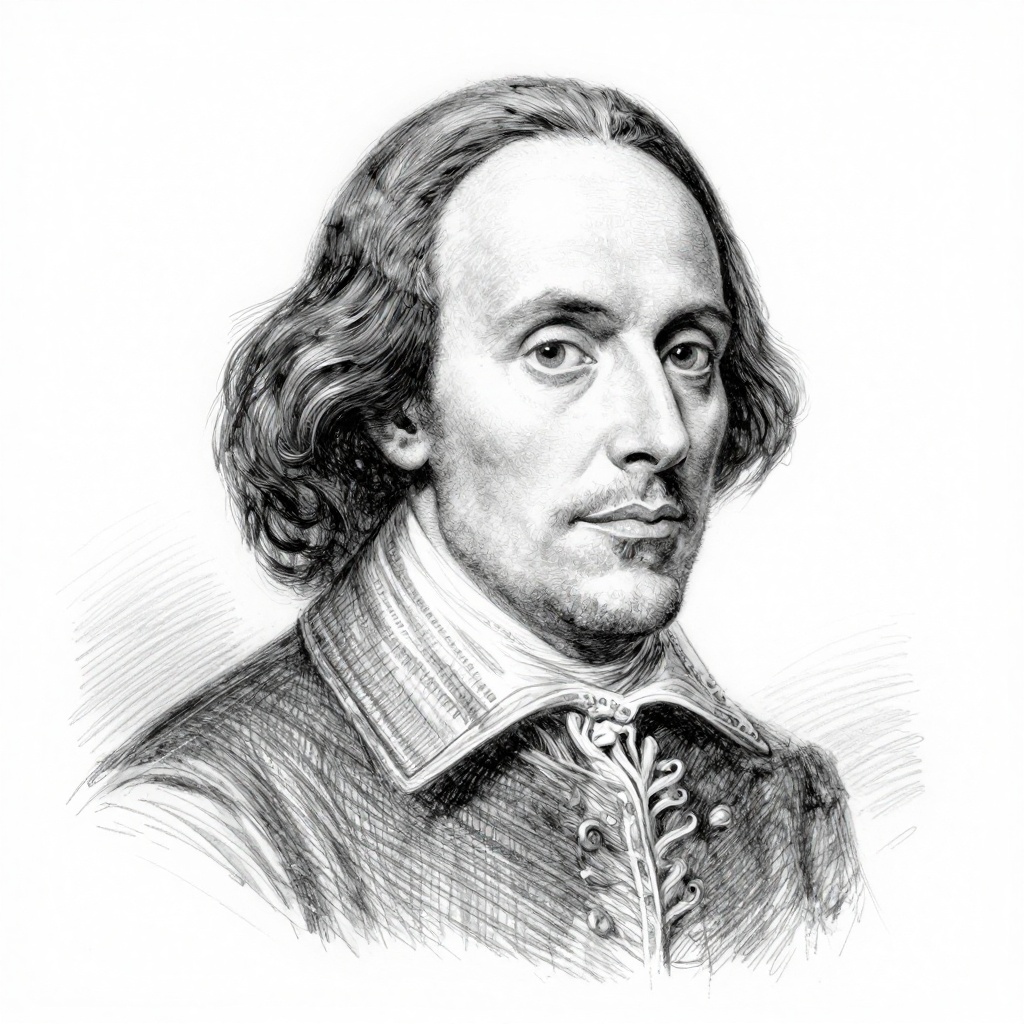
Comments