Quote · Added 14 February 2026
Now, God be praised, that to believing souls gives light in darkness, comfort in despair.
William ShakespeareHenry VI, Part 2, Act II, Scene I, Oxford University Press, ed, 2003
Quote · Added 14 February 2026
There's something almost defiant in this line, the way Shakespeare frames faith as a practical tool rather than a distant idea. He's not talking about belief as intellectual agreement or religious duty. He's talking about what belief actually does for people—it shows you a way forward when everything looks black, it steadies you when you've run out of options. In our own time, when we're drowning in information but starving for meaning, that distinction matters more than ever.
The real insight here is that Shakespeare isn't romanticizing hardship. He's acknowledging it directly: there is darkness, there is despair. These aren't character flaws or signs you're doing life wrong. They're real. But something shifts when you have an anchor—whether that's faith in God, a deeper set of values, or even just a community that believes in you. That light doesn't erase the darkness, but it changes what you can see and do within it.
What makes this quote endure is that it speaks to anyone who's felt trapped by circumstances. You don't need to be religious to recognize the human need for something larger than panic, something that whispers "there's still a way through this." That's what belief—in any form—actually provides. Not escape from hardship, but navigation through it.
1564–1616·lived 52 years
William Shakespeare was an English playwright and poet, widely regarded as one of the greatest writers in the English language. Known for his iconic works such as "Romeo and Juliet," "Hamlet," and "Macbeth," Shakespeare's plays continue to be performed and studied around the world, showcasing his profound understanding of human nature and his timeless storytelling.
Also by William Shakespeare
Life is a tale told by an idiot, full of sound and fury, signifying nothing.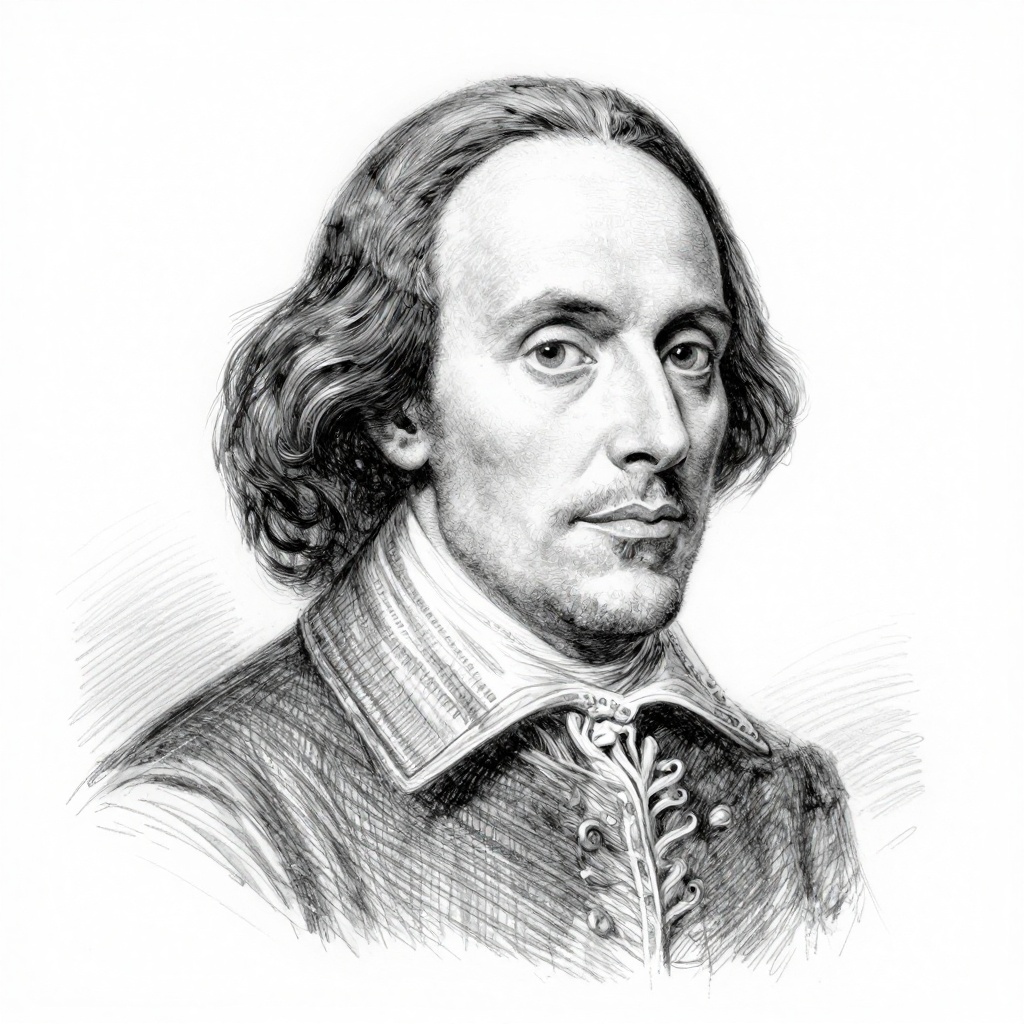
Comments