Quote · Added 14 February 2026
No legacy is so rich as honesty.
William ShakespeareAll's Well That Ends Well, 1623
Quote · Added 14 February 2026
We tend to think of legacies as grand things—buildings named after you, fortunes passed down, a family business that spans generations. But Shakespeare's point cuts deeper. The most valuable thing you can actually leave behind isn't wealth or status; it's the reputation of being someone whose word meant something. That matters more than you might initially think, especially now when trust feels increasingly rare.
Consider what happens when someone in your life has actually been honest with you consistently, even when it cost them something. You remember it. You trust them with harder things. You recommend them. You show up for them. In contrast, people known for cutting corners or spinning stories don't build anything that lasts—they just accumulate skeptics. Honesty compounds over time in a way that money sometimes doesn't, because it shapes how people think about you long after any transaction ends.
The slightly counterintuitive part: honesty isn't always the most profitable choice in the moment. But it's the only legacy that doesn't require constant maintenance or spin control. Years later, when people talk about who you were and what you stood for, they'll mention your integrity before they mention your possessions. That's the richness Shakespeare meant.
1564–1616·lived 52 years
William Shakespeare was an English playwright and poet, widely regarded as one of the greatest writers in the English language. Known for his iconic works such as "Romeo and Juliet," "Hamlet," and "Macbeth," Shakespeare's plays continue to be performed and studied around the world, showcasing his profound understanding of human nature and his timeless storytelling.
Also by William Shakespeare
Life is a tale told by an idiot, full of sound and fury, signifying nothing.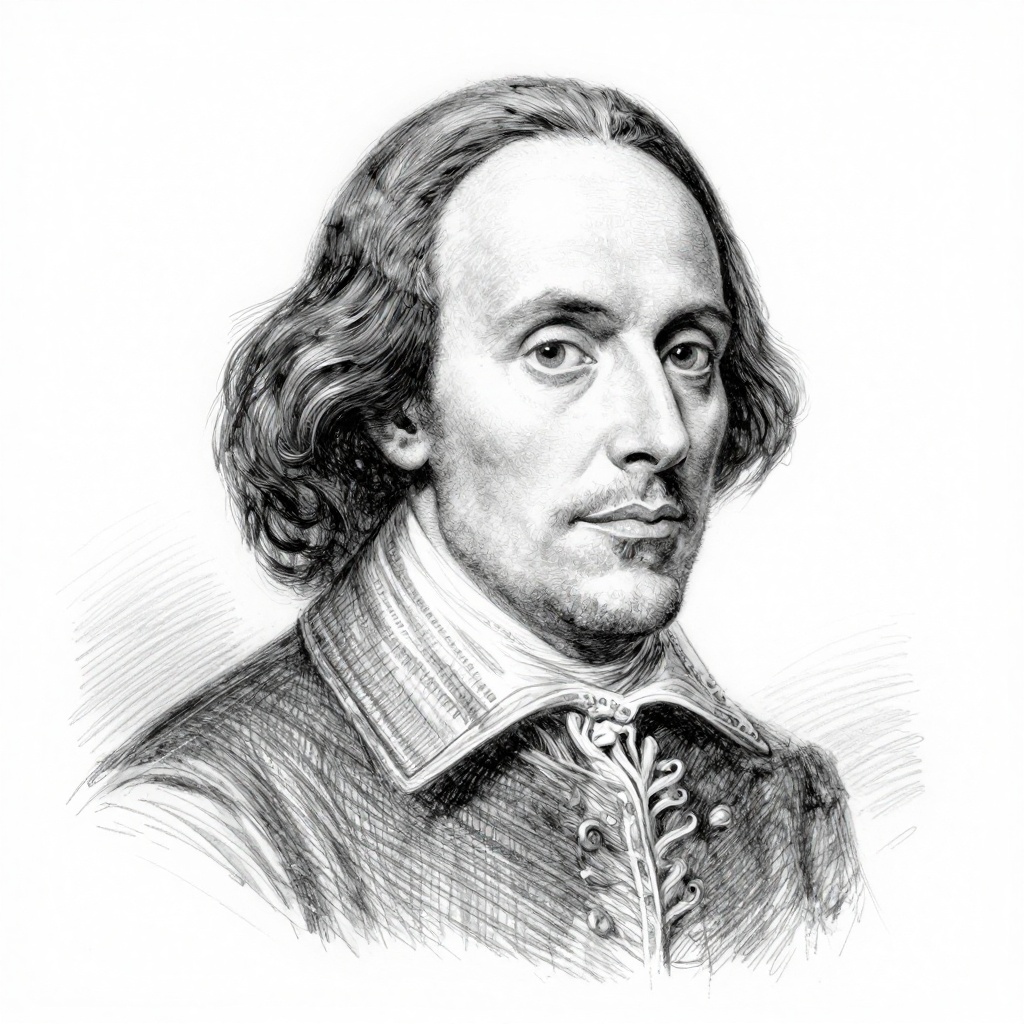
Comments