Quote · Added 14 February 2026
No, I will be the pattern of all patience; I will say nothing.
William ShakespeareKing Lear, Act 3, Scene 2
Quote · Added 14 February 2026
There's something almost defiant in choosing silence, isn't there? When Shakespeare's character decides to be "the pattern of all patience," she's not talking about meekly accepting whatever comes. She's making an active choice to withhold words—which turns out to be one of the most powerful moves available to us. In a world where we're constantly rewarded for speaking up, defending ourselves, and filling every gap with our voice, silence becomes a form of control rather than surrender.
The real insight here is that patience isn't passive. It's the opposite. Staying quiet when you want to lash out, explain yourself, or prove a point requires enormous strength. It's the difference between being silenced and choosing silence. One of these leaves you powerless; the other puts you in command of yourself. Most arguments escalate because both sides keep talking, keep justifying, keep trying to have the last word. The person who can hold their tongue often ends up being the one who actually shapes what happens next.
This matters now because we live in an age of instant reactions and public scoring. We've forgotten that some of our greatest power lies not in what we say, but in what we deliberately don't. Sometimes the most honest thing, the most patient thing, is simply to stop explaining.
1564–1616·lived 52 years
William Shakespeare was an English playwright and poet, widely regarded as one of the greatest writers in the English language. Known for his iconic works such as "Romeo and Juliet," "Hamlet," and "Macbeth," Shakespeare's plays continue to be performed and studied around the world, showcasing his profound understanding of human nature and his timeless storytelling.
Also by William Shakespeare
Life is a tale told by an idiot, full of sound and fury, signifying nothing.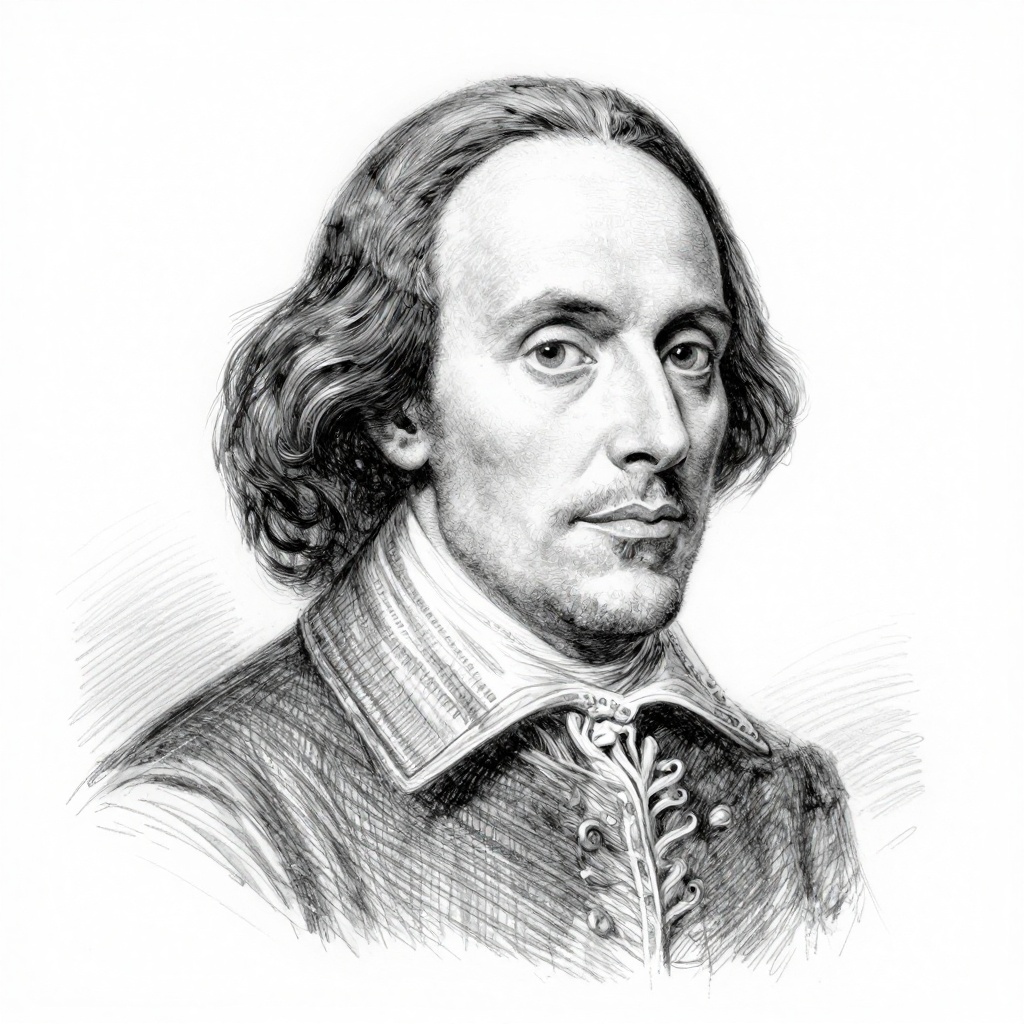
Comments