Quote · Added 14 February 2026
Neither a borrower nor a lender be.
William ShakespeareHamlet, Act 1, Scene 3
Quote · Added 14 February 2026
We've all felt the sting of lending money to a friend and watching the relationship turn awkward. Or worse—borrowing and sensing the invisible scoreboard being kept in someone's head. Shakespeare's advice feels like it's pushing us toward total financial independence, which sounds noble until you realize almost nobody actually lives this way. We borrow for mortgages, cars, education. We lend to family members in crisis.
What Shakespeare was really warning against isn't borrowing itself, but the way money entangles relationships. When you owe someone, you're not just indebted financially—you're carrying an emotional weight, a sense of obligation that can twist how you interact with them. Same problem in reverse: when someone owes you, it's hard not to keep score, even if you don't mean to.
The sharper insight hiding in his words is this: be extremely careful about mixing money with people you care about. Not because borrowing is always wrong, but because it introduces a complication that friendship and family weren't designed to handle. If you do lend, mentally write it off as a gift. If you do borrow, treat it with almost religious seriousness. The money matters far less than what happens to the relationship when things get messy.
1564–1616·lived 52 years
William Shakespeare was an English playwright and poet, widely regarded as one of the greatest writers in the English language. Known for his iconic works such as "Romeo and Juliet," "Hamlet," and "Macbeth," Shakespeare's plays continue to be performed and studied around the world, showcasing his profound understanding of human nature and his timeless storytelling.
Also by William Shakespeare
Life is a tale told by an idiot, full of sound and fury, signifying nothing.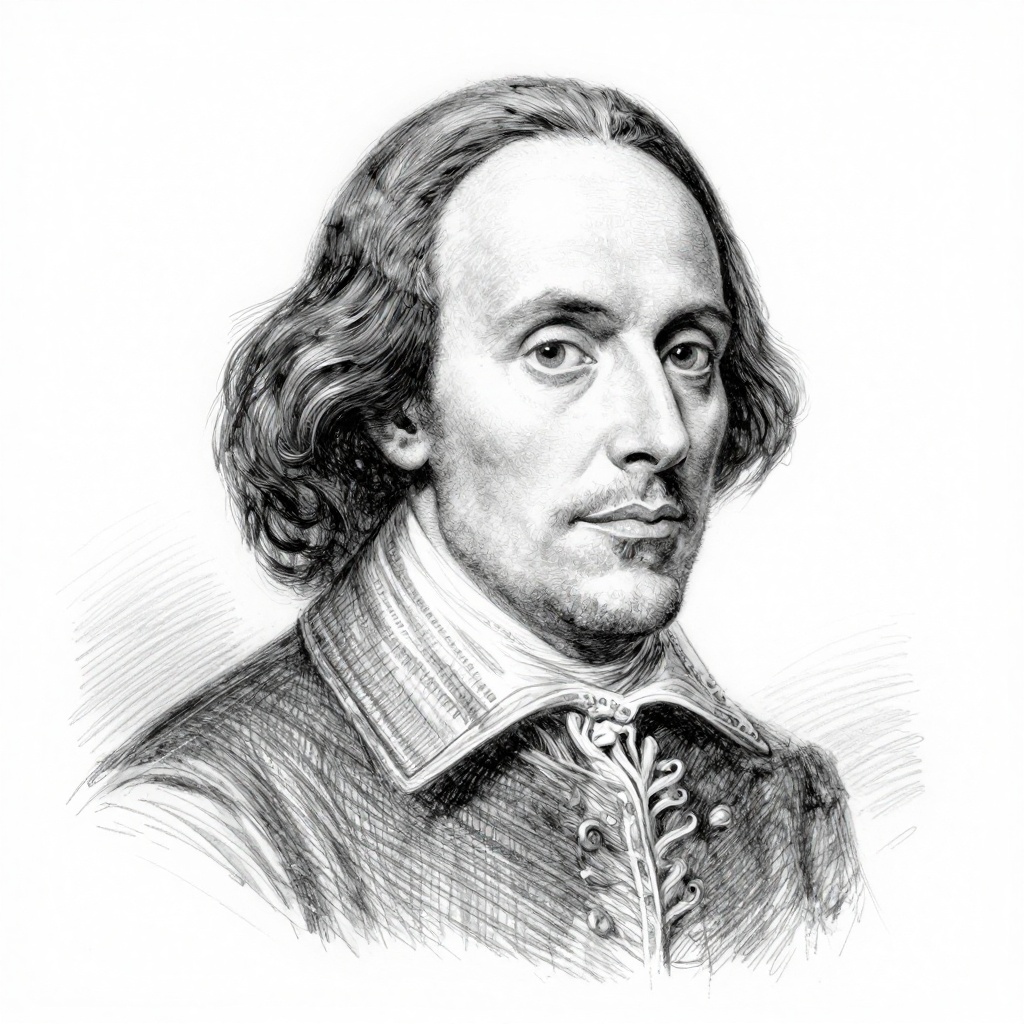
Comments