Quote · Added 14 February 2026
It is a wise father that knows his own child.
William ShakespeareThe Merchant of Venice, Act 2, Scene 2
Filed underfather·wisdom·understanding
Quote · Added 14 February 2026
Filed underfather·wisdom·understanding
We live in an age of constant connection—parents text their kids, follow their social media, track their locations—yet genuine understanding often slips away in the noise. Shakespeare's observation cuts deeper than it first appears. Knowing your child isn't about surveillance or even presence; it's about actually seeing who they are becoming, separate from who you imagined they'd be or who you want them to be.
The real challenge is that children are constantly shifting. The kid who loved dinosaurs at seven is a different person at fourteen. Parents who remain locked in old versions of their children—the "shy one," the "athletic one," the "smart one"—often miss the emerging complexity underneath. It takes genuine attention and a willingness to be surprised to truly know someone you've known since birth.
What makes this wisdom timeless is that it points to something uncomfortable: you can be a devoted parent and still fundamentally misunderstand your child. You can show up every day and miss them entirely. Real knowing requires stepping back from your own script, asking questions without presuming answers, and staying curious about this person who shares your genes but lives in their own inner world. That kind of attention is harder than it sounds—and rarer than we'd like to admit.
1564–1616·lived 52 years
William Shakespeare was an English playwright and poet, widely regarded as one of the greatest writers in the English language. Known for his iconic works such as "Romeo and Juliet," "Hamlet," and "Macbeth," Shakespeare's plays continue to be performed and studied around the world, showcasing his profound understanding of human nature and his timeless storytelling.
Also by William Shakespeare
Life is a tale told by an idiot, full of sound and fury, signifying nothing.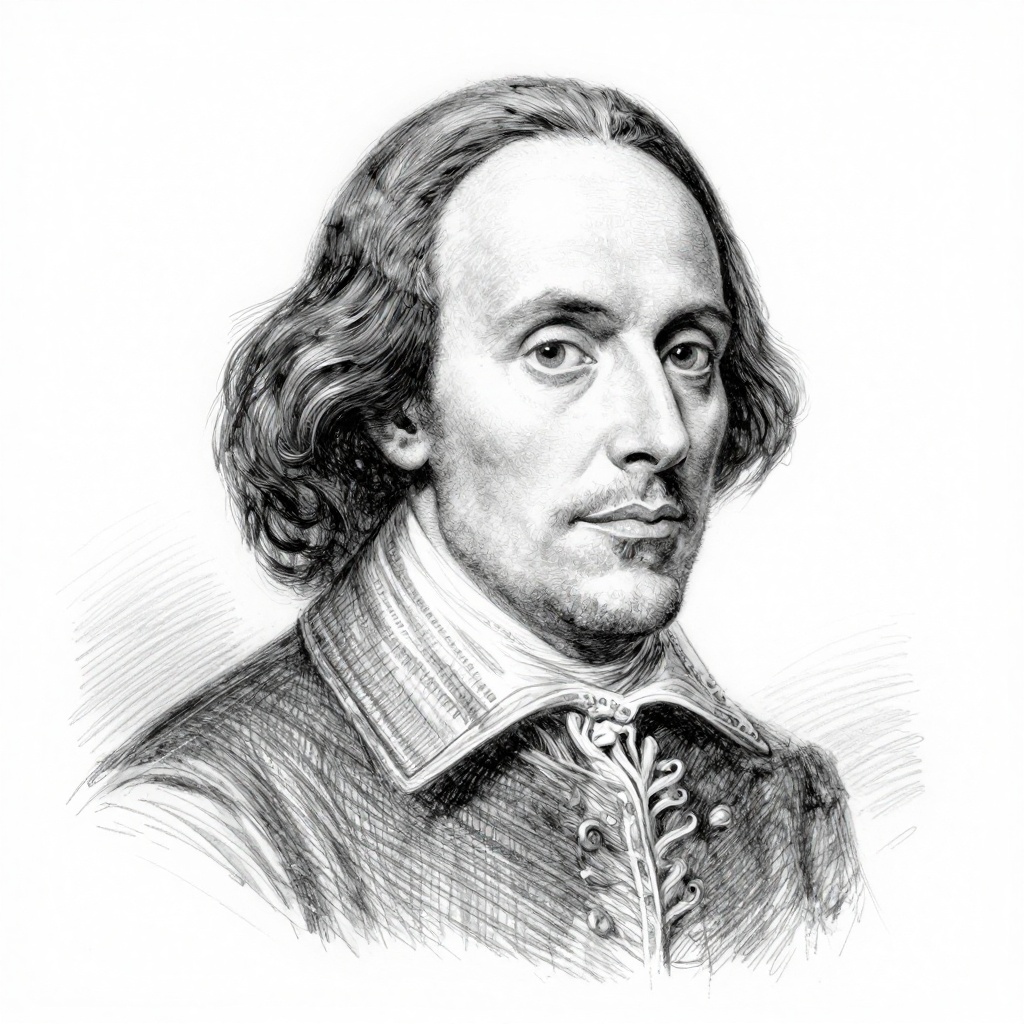
Comments