Quote · Added 14 February 2026
If you prick us do we not bleed? If you tickle us do we not laugh? If you poison us do we not die? And if you wrong us shall we not revenge?
William ShakespeareThe Merchant of Venice, Act 4, Scene 1
Quote · Added 14 February 2026
This passage cuts through something we still struggle with: the gap between how we treat people we see as "different" and the basic humanity we all share. Shakespeare is asking the blindingly obvious question—yes, we're all made of the same stuff, we all feel pain, we all want justice when wronged. Yet somehow, across centuries, we keep forgetting this. We find ways to convince ourselves that certain groups are fundamentally unlike us, that the normal rules of empathy don't apply. Then we're shocked when those people respond like humans always do—by protecting themselves or demanding accountability.
What's interesting is that final question about revenge. Shakespeare isn't just appealing to our common humanity; he's also warning that when you deny someone's basic personhood, you shouldn't be surprised if they eventually lash back. It's not a pretty insight, but it's honest. We create enemies by treating people as less than human, and then act wounded when they behave like people who've been wronged. The quote reminds us that shared vulnerability—bleeding, laughing, dying—should come before judgment, not after.
1564–1616·lived 52 years
William Shakespeare was an English playwright and poet, widely regarded as one of the greatest writers in the English language. Known for his iconic works such as "Romeo and Juliet," "Hamlet," and "Macbeth," Shakespeare's plays continue to be performed and studied around the world, showcasing his profound understanding of human nature and his timeless storytelling.
Also by William Shakespeare
Life is a tale told by an idiot, full of sound and fury, signifying nothing.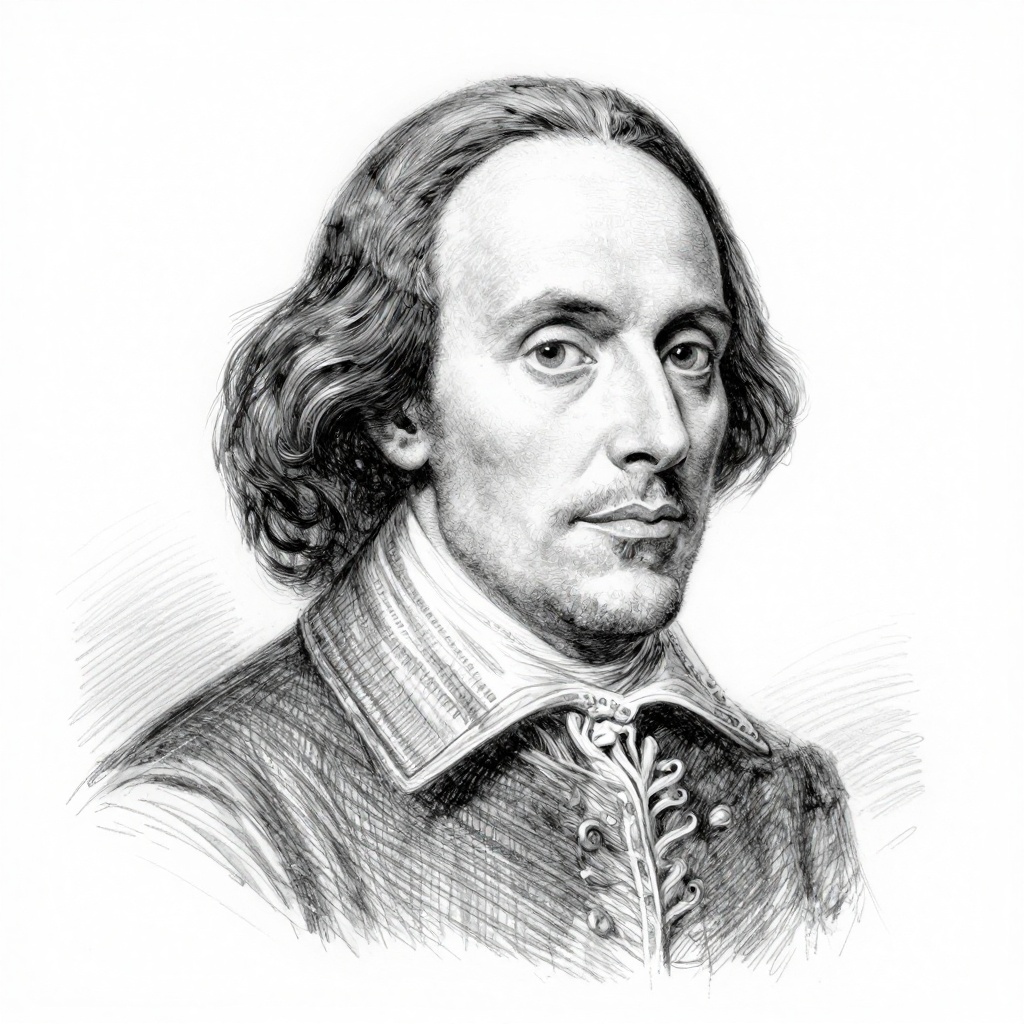
Comments