Quote · Added 15 February 2026
Reading
AI generatedBurning out obsession through excess
There's something almost reckless about this opening line from Twelfth Night—the idea that we might cure ourselves of love by overdosing on it. Shakespeare isn't being romantic here. He's describing that frantic feeling when you're infatuated with someone and you want to consume everything about them until the obsession burns itself out. Play that song on repeat enough times, and eventually it becomes background noise. Drown yourself in the feeling, and maybe it loses its grip.
What makes this surprisingly modern is how it captures a real strategy we use today. We distract ourselves, we scroll endlessly, we throw ourselves into hobbies or work, hoping that if we just lean hard enough into the thing that's consuming us, we'll somehow come out the other side free of it. And sometimes it works—saturation does dull the ache. But Shakespeare's darker implication lingers: excess doesn't always kill appetite. Sometimes it just makes us sick while the hunger lingers underneath anyway. The hope is there, but so is the doubt.
The real insight might be that he's describing not a cure but a gamble we all recognize—the bet that if we feel something intensely enough, deliberately enough, we can exhaust our way out of it. Whether that actually works depends entirely on the day and the person.
The author
All 81 quotes by William Shakespeare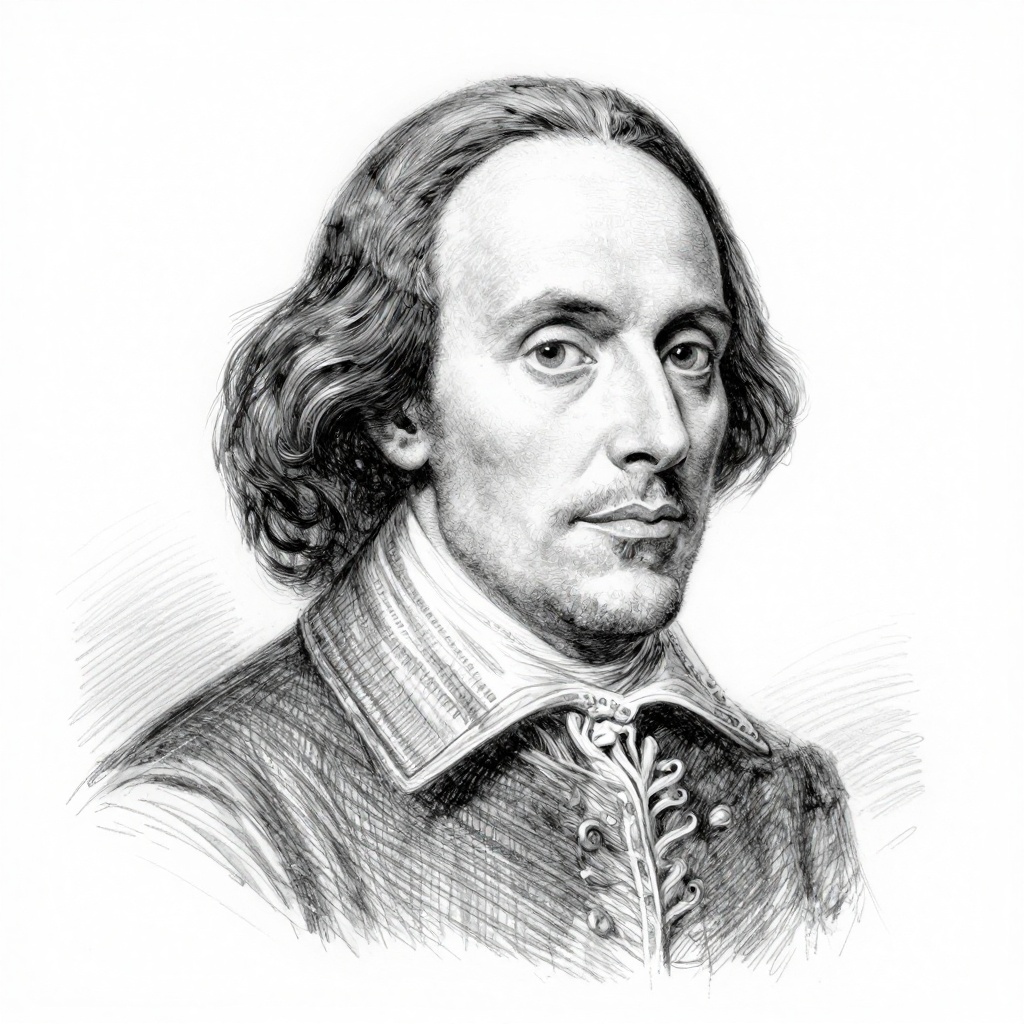
William Shakespeare
1564–1616·lived 52 years
William Shakespeare was an English playwright and poet, widely regarded as one of the greatest writers in the English language. Known for his iconic works such as "Romeo and Juliet," "Hamlet," and "Macbeth," Shakespeare's plays continue to be performed and studied around the world, showcasing his profound understanding of human nature and his timeless storytelling.
Also by William Shakespeare
Life is a tale told by an idiot, full of sound and fury, signifying nothing.
Comments