Quote · Added 14 February 2026
I had rather have a fool to make me merry than experience to make me sad and to travel for it too!
William ShakespeareThe Taming of the Shrew, Act 1, Scene 2
Filed underfool·happiness·experience
Quote · Added 14 February 2026
Filed underfool·happiness·experience
There's something almost rebellious about Shakespeare choosing laughter over wisdom here. We're taught to respect experience—to see it as the ultimate teacher, the thing that makes us sophisticated and serious. But he's pointing out something real: experience doesn't always enrich us. Sometimes it just accumulates hurt. The person who's "seen it all" isn't always wiser; they're sometimes just tired, carrying the weight of disappointments and hard lessons learned the expensive way.
The twist is that Shakespeare isn't actually anti-learning. He's against the idea that suffering automatically improves us or that we should chase experiences just for their own sake. A fool who makes you laugh in the present moment offers something experience often can't: relief. He's naming something we feel but rarely say out loud—that growth has a real cost, and sometimes the cost isn't worth the payoff. Sometimes a lighter spirit matters more than a deeper one.
This speaks directly to how we live now. We're encouraged to collect experiences, learn from every setback, and treat life like a continuous self-improvement project. But Shakespeare suggests there's wisdom in knowing when to stop grinding, when to choose the company that lifts you up over the lesson that flattens you, and when staying lighter is actually the smarter move.
1564–1616·lived 52 years
William Shakespeare was an English playwright and poet, widely regarded as one of the greatest writers in the English language. Known for his iconic works such as "Romeo and Juliet," "Hamlet," and "Macbeth," Shakespeare's plays continue to be performed and studied around the world, showcasing his profound understanding of human nature and his timeless storytelling.
Also by William Shakespeare
Life is a tale told by an idiot, full of sound and fury, signifying nothing.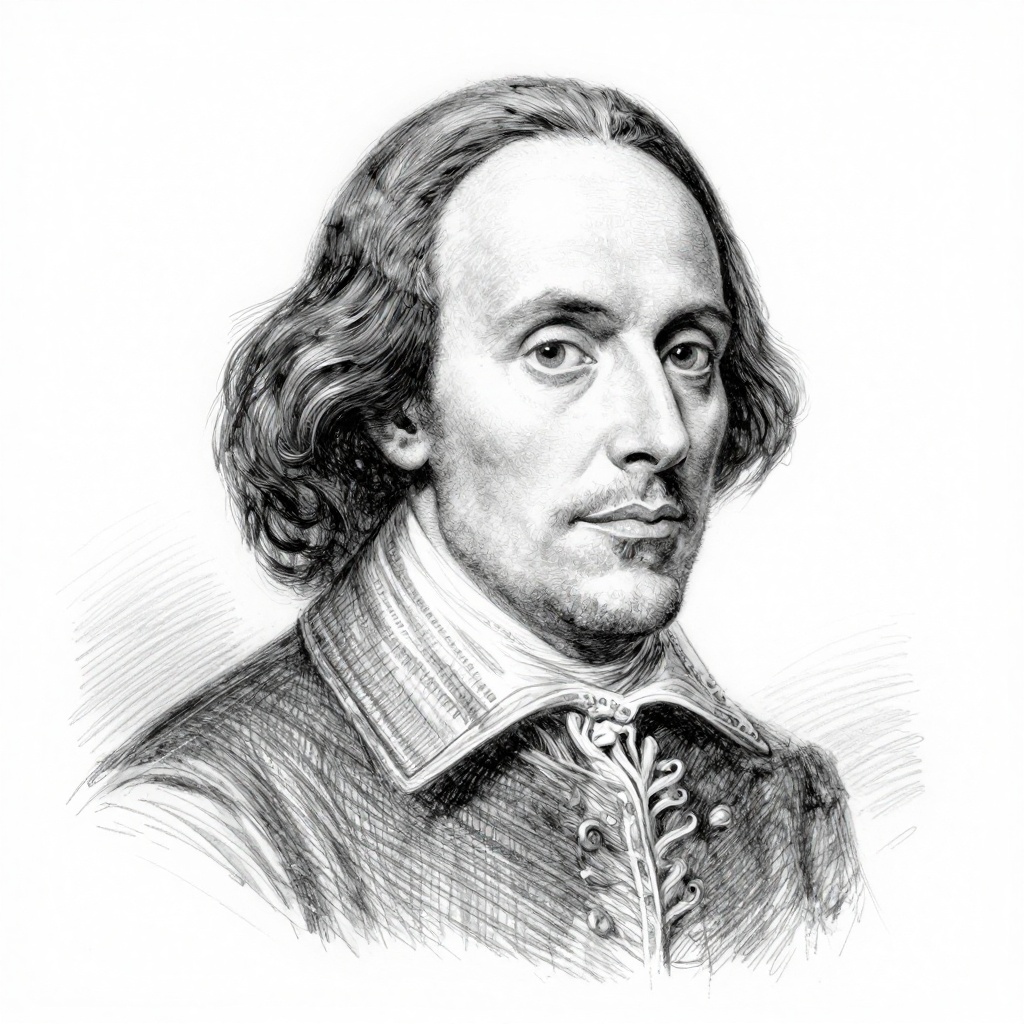
Comments