Quote · Added 14 February 2026
Fishes live in the sea, as men do a-land; the great ones eat up the little ones.
William ShakespearePericles, Prince of Tyre, Act II, Scene I
Quote · Added 14 February 2026
There's something almost comforting about Shakespeare naming the reality we all sense but rarely say out loud: that power imbalances aren't bugs in the system, they're features. The big fish don't apologize for eating the small ones—they just do it, because that's how things work in an ocean where size equals survival.
The uncomfortable part is recognizing how often we're both in this equation. You might feel like a small fish getting squeezed by your boss or a giant corporation, yet in your own corner—maybe with your kids, your subordinates, or people less confident than you—you're the bigger fish. We tend to notice when we're being eaten, but gloss over the ways we're doing the eating.
The quote's real insight isn't that this is inevitable or good. It's that pretending otherwise—acting shocked when powerful people leverage their power, or telling ourselves we're powerless victims when we're actually quite privileged in some contexts—is what blinds us. Acknowledging the hierarchy isn't endorsing it. It just means we can think more clearly about where our actual agency lies, and what we'll actually do with it.
1564–1616·lived 52 years
William Shakespeare was an English playwright and poet, widely regarded as one of the greatest writers in the English language. Known for his iconic works such as "Romeo and Juliet," "Hamlet," and "Macbeth," Shakespeare's plays continue to be performed and studied around the world, showcasing his profound understanding of human nature and his timeless storytelling.
Also by William Shakespeare
Life is a tale told by an idiot, full of sound and fury, signifying nothing.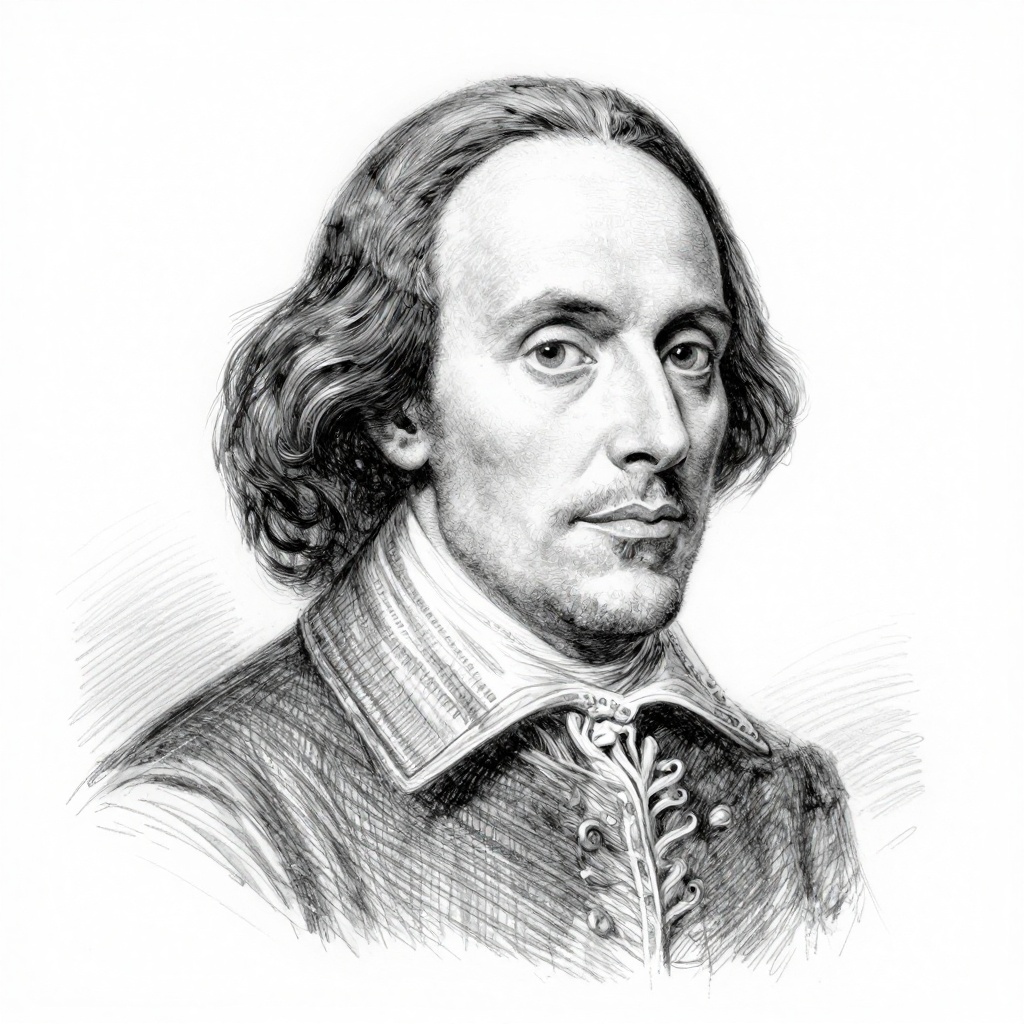
Comments