Quote · Added 14 February 2026
Brevity is the soul of wit.
William ShakespeareHamlet, Act 2, Scene 2
Filed underbrevity·wisdom·expression
Quote · Added 14 February 2026
Filed underbrevity·wisdom·expression
We live in an age of endless explanation. Someone asks how your day was, and we spiral into a ten-minute story with unnecessary backstory. We send paragraph-long texts when a sentence would land harder. We've confused being thorough with being smart, when actually the opposite is often true—the people we find genuinely clever are the ones who can say something funny or true in the fewest possible words.
There's real power in restraint. When you cut away everything unnecessary, what remains has nowhere to hide. A joke told in three sentences hits different than one padded with setup. A compliment that's specific and brief feels more genuine than flowery praise. Even in arguments, the person who can state their point cleanly and stop talking usually wins more respect than whoever talks longest.
The tricky part is that brevity looks easy when it's actually hard. It requires knowing exactly what matters and having the discipline to leave everything else out. But that's partly why it works—it shows you've done the thinking, not just the talking. In a world drowning in noise, knowing when to be quiet, or when to speak in fewer words, is its own form of intelligence.
1564–1616·lived 52 years
William Shakespeare was an English playwright and poet, widely regarded as one of the greatest writers in the English language. Known for his iconic works such as "Romeo and Juliet," "Hamlet," and "Macbeth," Shakespeare's plays continue to be performed and studied around the world, showcasing his profound understanding of human nature and his timeless storytelling.
Also by William Shakespeare
Life is a tale told by an idiot, full of sound and fury, signifying nothing.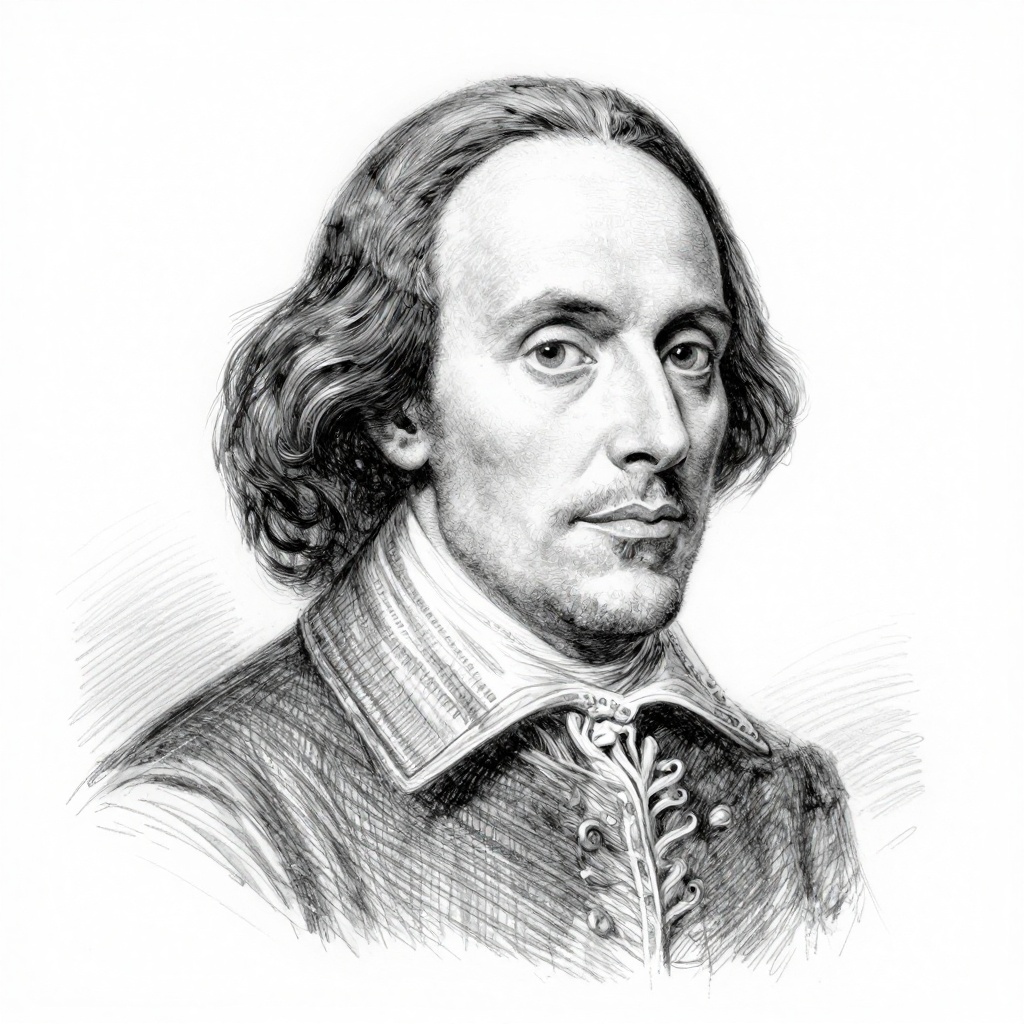
Comments