Quote · Added 14 February 2026
As soon go kindle fire with snow, as seek to quench the fire of love with words.
William ShakespeareTwo Gentlemen of Verona, Act 2, sc. 7, l. 18ff (2.7.18-20) (c. 1590)
Quote · Added 14 February 2026
Love doesn't respond to logic, no matter how perfectly we arrange our arguments. You can sit down with someone and explain, very reasonably, why a relationship won't work—the timing, the incompatibility, the practical obstacles—and it changes almost nothing about what you actually feel. It's like trying to cool a flame by talking about it. The words just pass through.
This matters now because we're drowning in explanations. We think if we can just articulate the problem clearly enough, we can think our way out of unwanted feelings. But love (and its cousin, obsession) lives in a different part of us than the part that listens to reason. You can't debate your way out of missing someone. You can't spreadsheet your way into stopping.
The surprising part? This doesn't mean we're irrational or broken. It means some human experiences operate on their own frequency entirely. The solution isn't better words or more convincing logic—it's usually time, distance, or choosing to redirect that energy somewhere else. Acknowledging that words won't work here is actually the more honest place to start.
1564–1616·lived 52 years
William Shakespeare was an English playwright and poet, widely regarded as one of the greatest writers in the English language. Known for his iconic works such as "Romeo and Juliet," "Hamlet," and "Macbeth," Shakespeare's plays continue to be performed and studied around the world, showcasing his profound understanding of human nature and his timeless storytelling.
Also by William Shakespeare
Life is a tale told by an idiot, full of sound and fury, signifying nothing.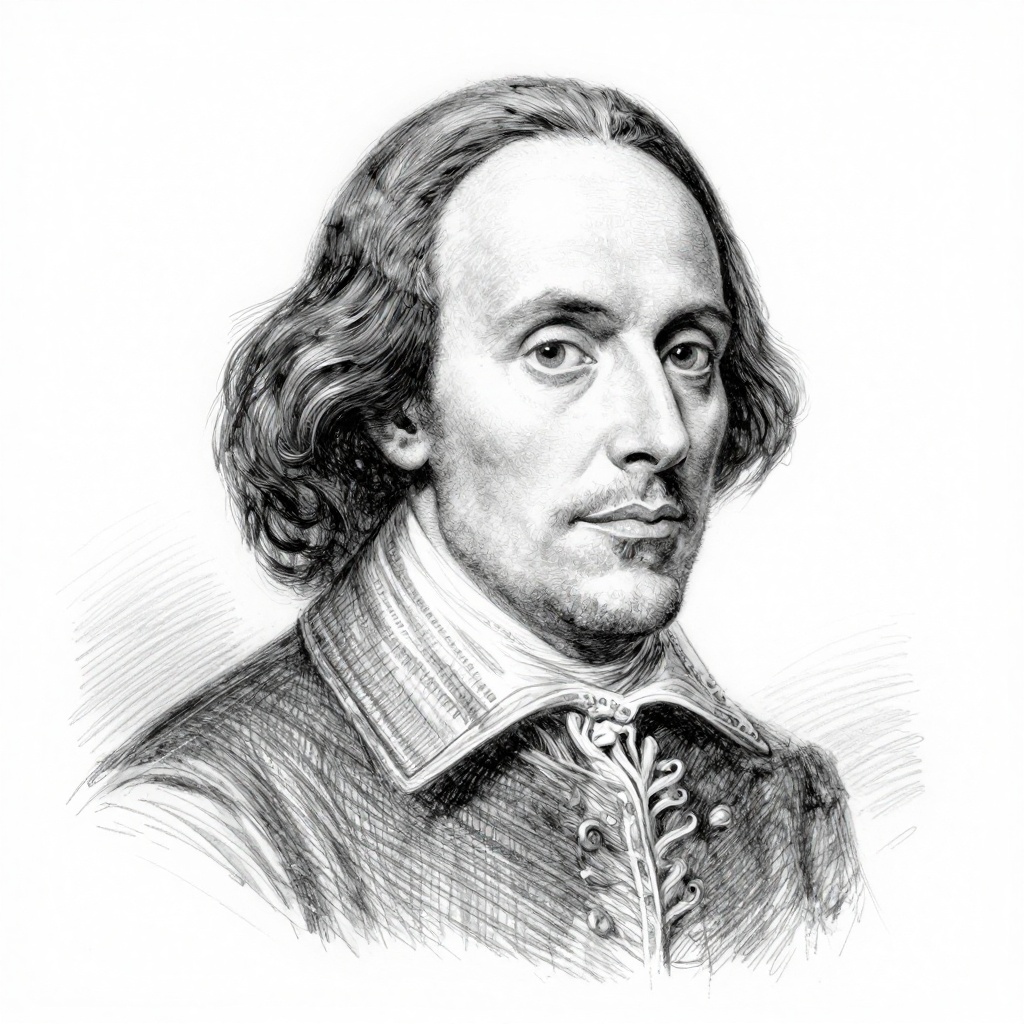
Comments