Quote · Added 9 February 2026
True silence is the rest of the mind, and is to the spirit what sleep is to the body, nourishment and refreshment.
William PennQuaker faith & practice, 2.13, 1699
Filed undersilence·nourishment·refreshment
Quote · Added 9 February 2026
Filed undersilence·nourishment·refreshment
We're surrounded by noise—literal and mental. Your phone buzzes, your thoughts pile up, someone's talking at you, music plays in the background. Most of us treat silence like an inconvenience to be filled rather than something we actually need. But Penn captures something real here: silence isn't just the absence of sound. It's a state where your mind stops running its constant commentary, stops processing, stops fighting. And that actually matters for your health.
The sleep comparison is the key insight. You wouldn't skip sleep for weeks and expect to function well, yet we routinely skip mental silence—that quiet space where your brain consolidates, resets, and genuinely recovers. Not meditation for productivity or silence as a technique to be "better." Just... rest. The kind where your mind stops the background hum and actually settles. Most people feel this absence deeply—the constant low-level anxiety, the inability to focus, the sense of being wrung out—but don't connect it to a lack of actual quiet.
The practical part is noticing that silence has become something you have to choose and protect. It won't find you. But even small pockets—a walk without headphones, a few minutes before bed, a commute where you don't scroll—actually nourish something in you that all the stimulation in the world cannot.
1644–1718·lived 73 years
William Penn was an English Quaker leader, philosopher, and founder of the Province of Pennsylvania, a North American colony where religious freedom and peaceful cohabitation with the Native American tribes were promoted. Known for his advocacy of democracy and human rights, Penn played a significant role in the establishment of the principles of religious tolerance and fair treatment of indigenous peoples in the early American colonies.
Also by William Penn
Time is what we want most and what we use worst.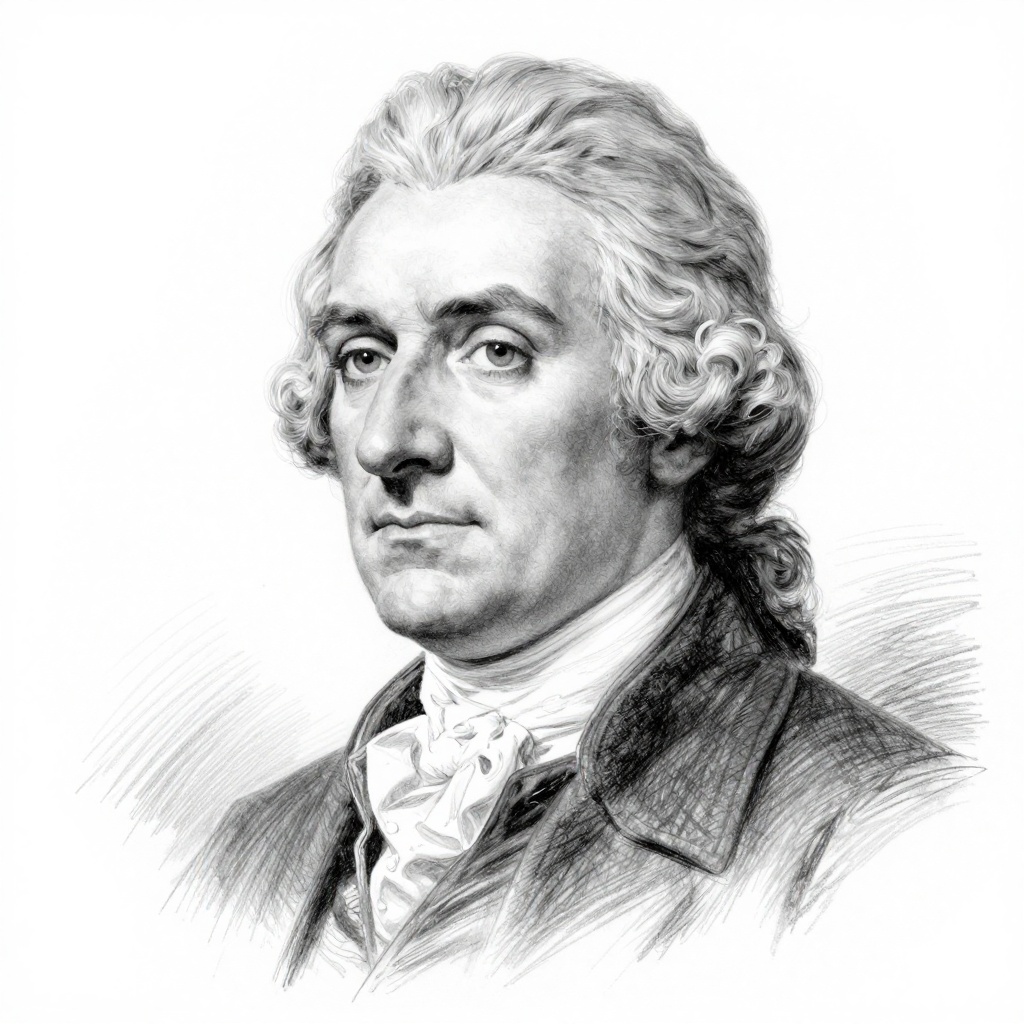
Comments