Quote · Added 9 February 2026
The good and the wise lead quiet lives.
William PennFruits of Solitude, 1792
Filed underlife·wisdom·tranquility
Quote · Added 9 February 2026
Filed underlife·wisdom·tranquility
There's something almost radical about this idea now. We live in an age where success seems to require noise—the loudest voice in the room, the most visible achievements, the constant declaration of wins. Yet Penn's observation suggests something counterintuitive: that goodness and wisdom might actually move quietly through the world.
Think about the people in your own life who genuinely seem to have it figured out. They're rarely the ones performing for an audience. They're the person who listens more than they speak, who helps without announcing it, who makes steady decisions without needing validation. There's a peace to their presence because they're not burning energy on self-promotion or drama. That quiet isn't boring or passive—it's the opposite. It's someone secure enough to let their actions speak, and wise enough to know that most meaningful work happens away from the spotlight.
The real tension is that we're taught to question quiet. We assume visibility equals impact, that being noticed means mattering. But Penn suggests the deepest good often goes unheralded. A quiet life doesn't mean small or insignificant—it means your energy goes into actually being something rather than looking like something. That distinction might be the most practical wisdom worth considering.
1644–1718·lived 73 years
William Penn was an English Quaker leader, philosopher, and founder of the Province of Pennsylvania, a North American colony where religious freedom and peaceful cohabitation with the Native American tribes were promoted. Known for his advocacy of democracy and human rights, Penn played a significant role in the establishment of the principles of religious tolerance and fair treatment of indigenous peoples in the early American colonies.
Also by William Penn
Time is what we want most and what we use worst.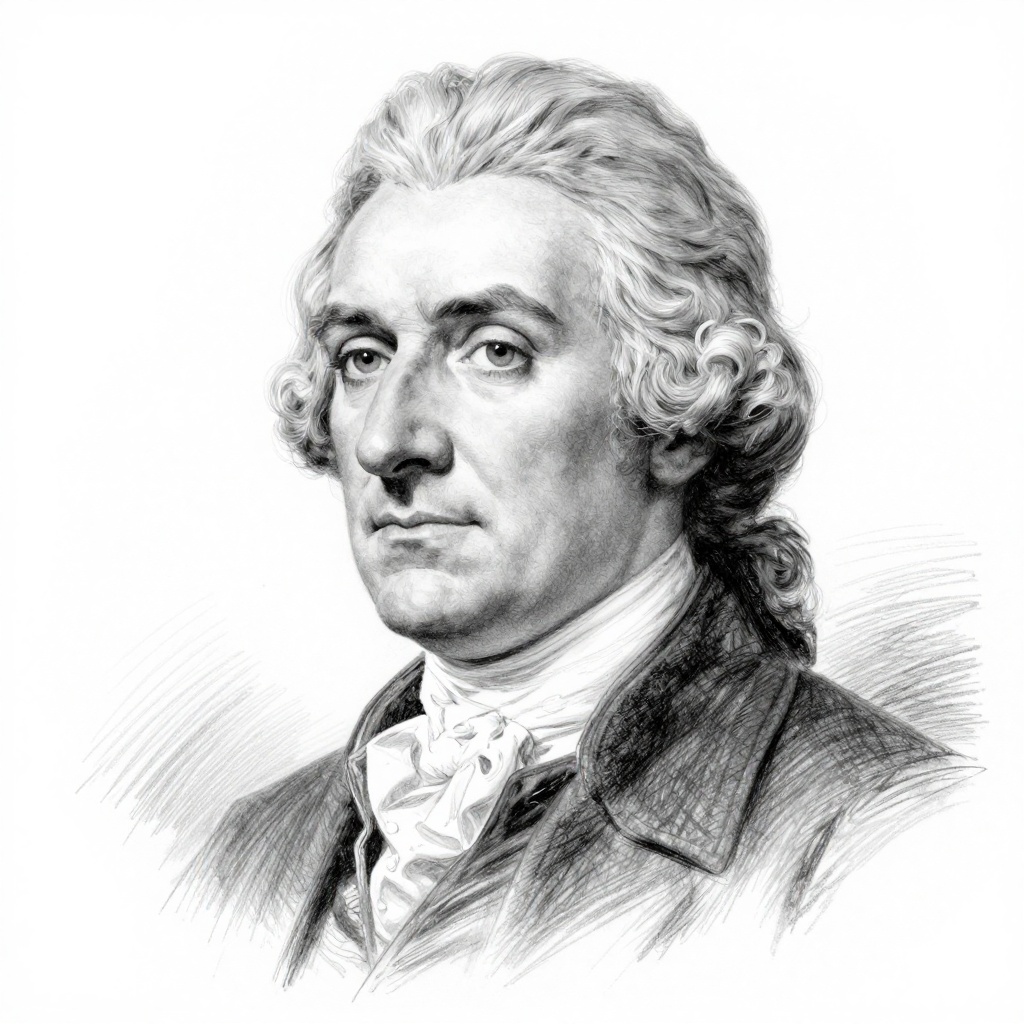
Comments