Quote · Added 10 February 2026
The greatest weapon against stress is our ability to choose one thought over another.
William JamesThe Principles of Psychology, p. 123, 1890
Quote · Added 10 February 2026
We live as though our thoughts are simply what happens to us—like weather rolling in. But this quote suggests something radically different: that we're not passive victims of our anxious spirals or worst-case scenarios. The moment you catch yourself catastrophizing about a work presentation or obsessing over something someone said, you've already won half the battle. You can choose to redirect that mental energy toward something else: what you'll do well, what you've overcome before, or honestly, just something completely mundane.
The tricky part is that this isn't about positive thinking or pretending problems don't exist. It's about recognizing you have more sovereignty over your attention than you realize. When stress floods in, our instinct is to fix the situation itself—which we often can't. But the one thing that's almost always in our control is which thought gets your focus next. Some people find this liberating; others find it frustrating because it means they can't entirely blame their circumstances for how they feel.
The real power here is practical: stress doesn't come from situations alone. It comes from the story we keep telling ourselves about those situations. You can't always control what happens, but you can absolutely practice steering your mind toward thoughts that steady you instead of thoughts that spin you further down.
d. 1910
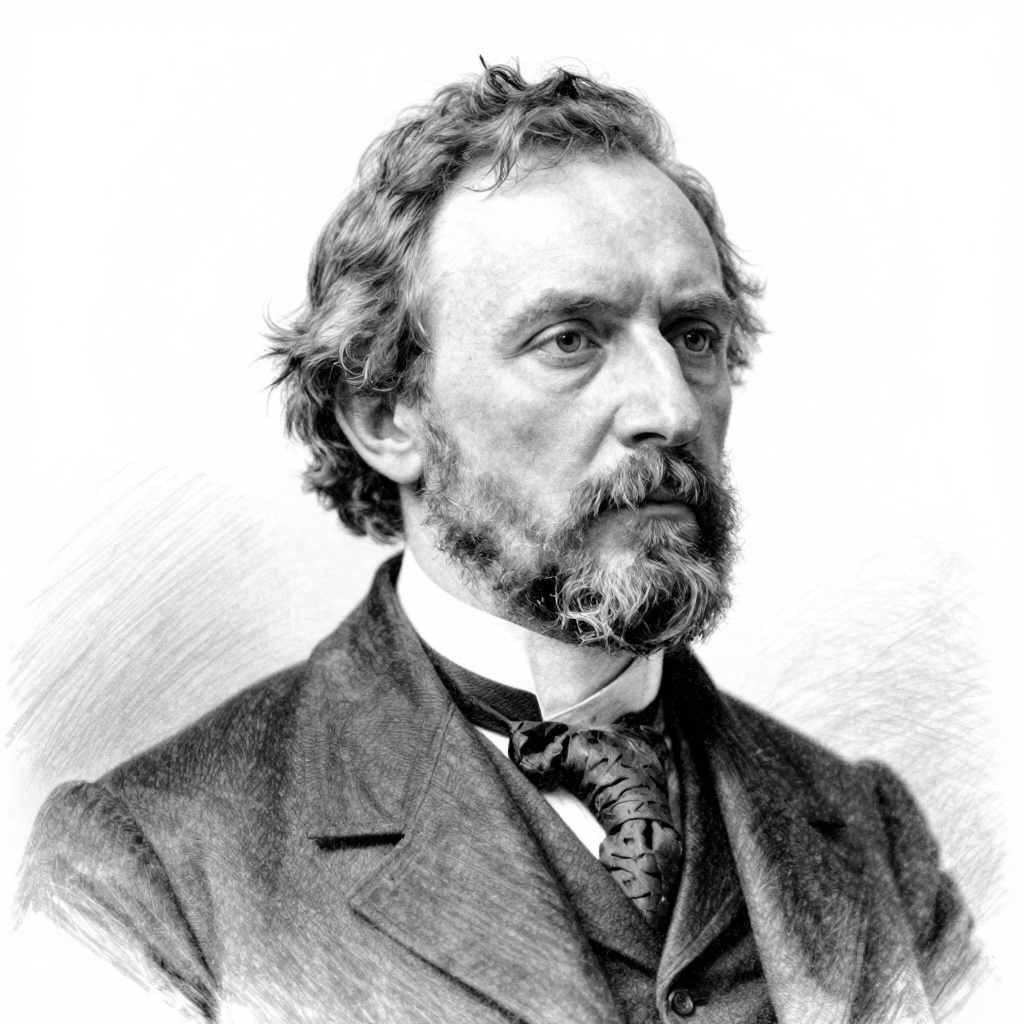
William James was an American philosopher and psychologist, often regarded as one of the most influential thinkers of the late 19th and early 20th centuries. Known as the "Father of American psychology," he was a pioneer in the development of pragmatism and his work explored the realms of consciousness, free will, and the nature of belief.
Comments