Quote · Added 14 February 2026
The greatest discovery of my generation is that a human being can alter his life by altering his attitudes.
William JamesThe Will to Believe, p. 30, 1897
Quote · Added 14 February 2026
We spend most of our mental energy trying to change our circumstances—get a better job, move to a nicer place, find the right partner. But there's something almost too simple about what William James is pointing at here: the thing we actually have power over is usually hiding in plain sight. It's not the event itself that determines your life, but how you choose to meet it.
This matters now more than ever because we're drowning in information about what's "wrong"—the news cycle, social media, all of it designed to keep us locked in a particular lens. When you're stuck in that lens, changing your attitude feels like denying reality. But it's not denial. It's recognizing that your interpretation of a setback, a rejection, or even a global problem isn't fixed. You can genuinely shift from "this ruins everything" to "this teaches me something" without pretending the difficulty isn't real.
The quietly radical part is that this isn't motivational wishful thinking. It's saying your life isn't just the sum of what happens to you—it's shaped by what you decide those happenings mean. That's not control over your circumstances, but it's something rarer: actual freedom over your own mind.
d. 1910
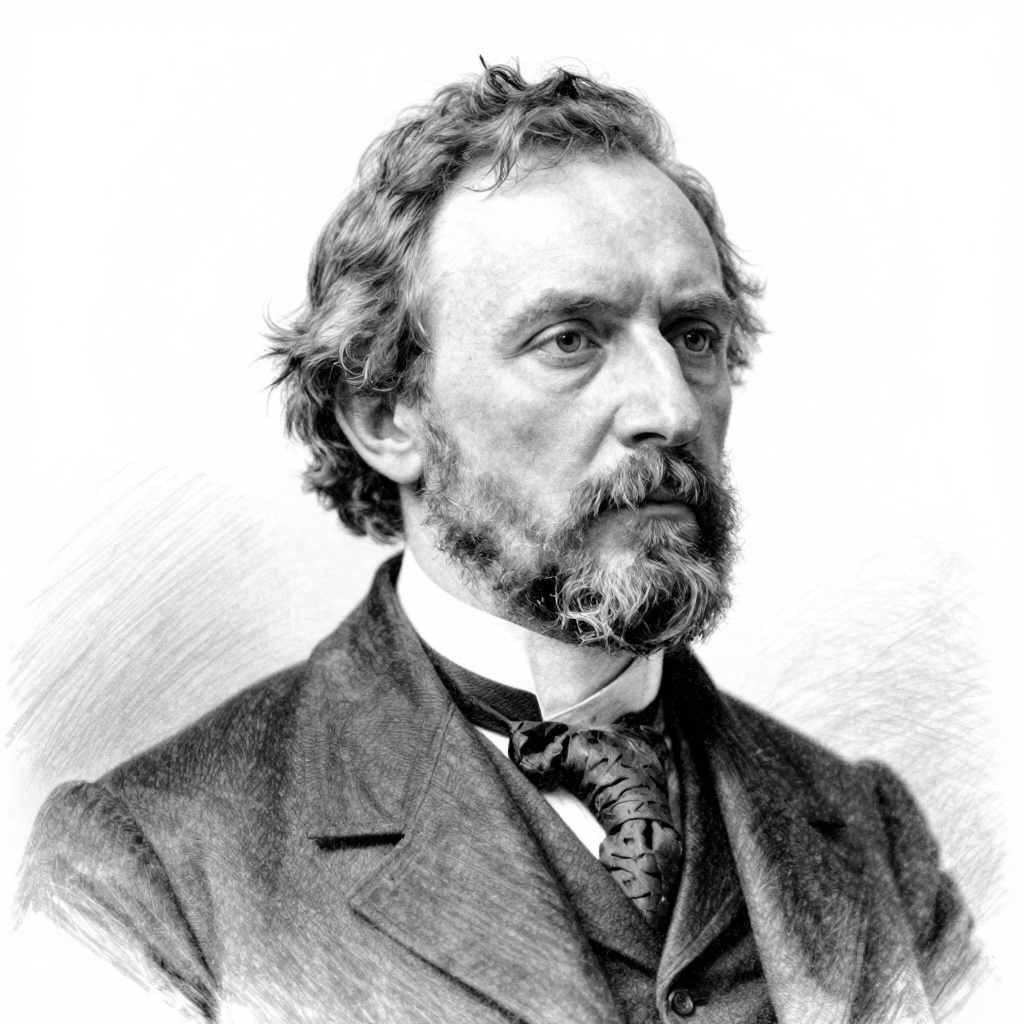
William James was an American philosopher and psychologist, often regarded as one of the most influential thinkers of the late 19th and early 20th centuries. Known as the "Father of American psychology," he was a pioneer in the development of pragmatism and his work explored the realms of consciousness, free will, and the nature of belief.
Comments