Quote · Added 14 February 2026
Begin to be now what you will be hereafter.
William JamesThe Principles of Psychology, p. 106, 1890
Quote · Added 14 February 2026
Most of us think identity works backward. We assume we'll become confident once we succeed, become disciplined once we hit rock bottom, become kind once we have more time. But James is pointing at something stranger and more useful: you don't become these things first and then act like them. You act like them first, and the identity follows. The person who runs three times a week isn't someone who became a runner and then started running—they're someone who started running and became a runner as a side effect.
This matters because it flips the burden of change. You're not waiting for some magical shift in who you are. You're simply noticing a small way you could behave differently today, and then doing it repeatedly until it stops feeling like an act. The person you want to become already exists in miniature in the choices you make right now. A single conversation, email, or decision made with the thoughtfulness of your future self isn't a performance—it's practice. And practice, done consistently, is how people actually change.
The counterintuitive part? You don't need to feel like that person yet. You just need to start showing up as them.
d. 1910
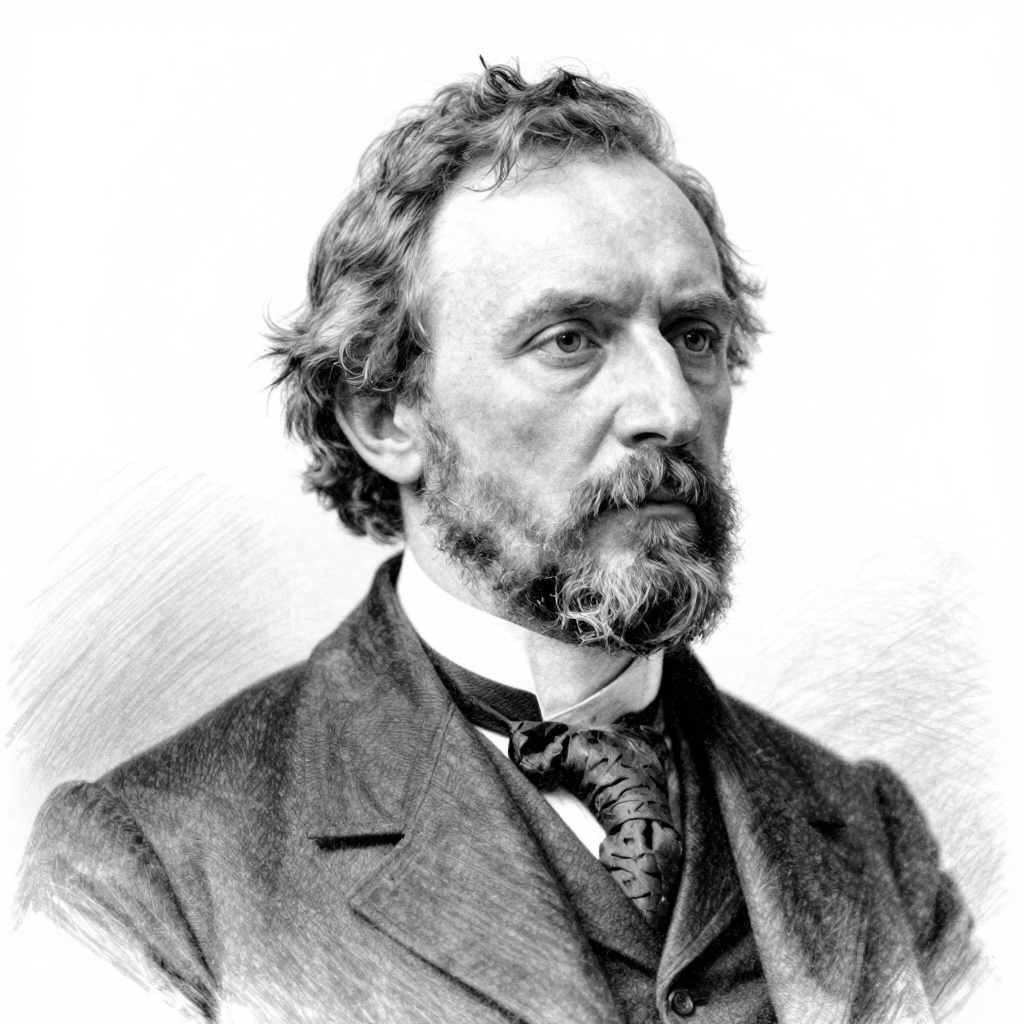
William James was an American philosopher and psychologist, often regarded as one of the most influential thinkers of the late 19th and early 20th centuries. Known as the "Father of American psychology," he was a pioneer in the development of pragmatism and his work explored the realms of consciousness, free will, and the nature of belief.
Comments