Quote · Added 24 July 2024
Most men are a little better than their circumstances give them a chance to be.
Filed undercircumstances·potential·character
Quote · Added 24 July 2024
Filed undercircumstances·potential·character
We usually assume people are pretty much who they show up as. That colleague who seems lazy? They're just lazy. That friend who keeps canceling plans? That's just how they are. But this quote suggests something more forgiving and, strangely, more hopeful: we're all constrained by invisible fences we rarely acknowledge.
The real insight is that circumstances don't just affect how much money you have or what opportunities come your way. They shape your actual capacity to show up as your better self. A parent working two jobs isn't choosing to be short-tempered with their kids; exhaustion narrows their bandwidth. Someone dealing with chronic pain or anxiety isn't being deliberately difficult; their circumstances are using up energy before they even get to the choice of how to behave. When you remove someone from their usual pressures—give them sleep, safety, time to think—they often surprise you by becoming more generous, more thoughtful, more genuinely themselves.
This doesn't mean we're all secretly angels suffering nobly. It means judging people fairly means considering their actual constraints, not just their choices. And it suggests something tender about ourselves too: we're probably doing better than we realize, given what we're actually working with right now.
1913–1973·lived 60 years
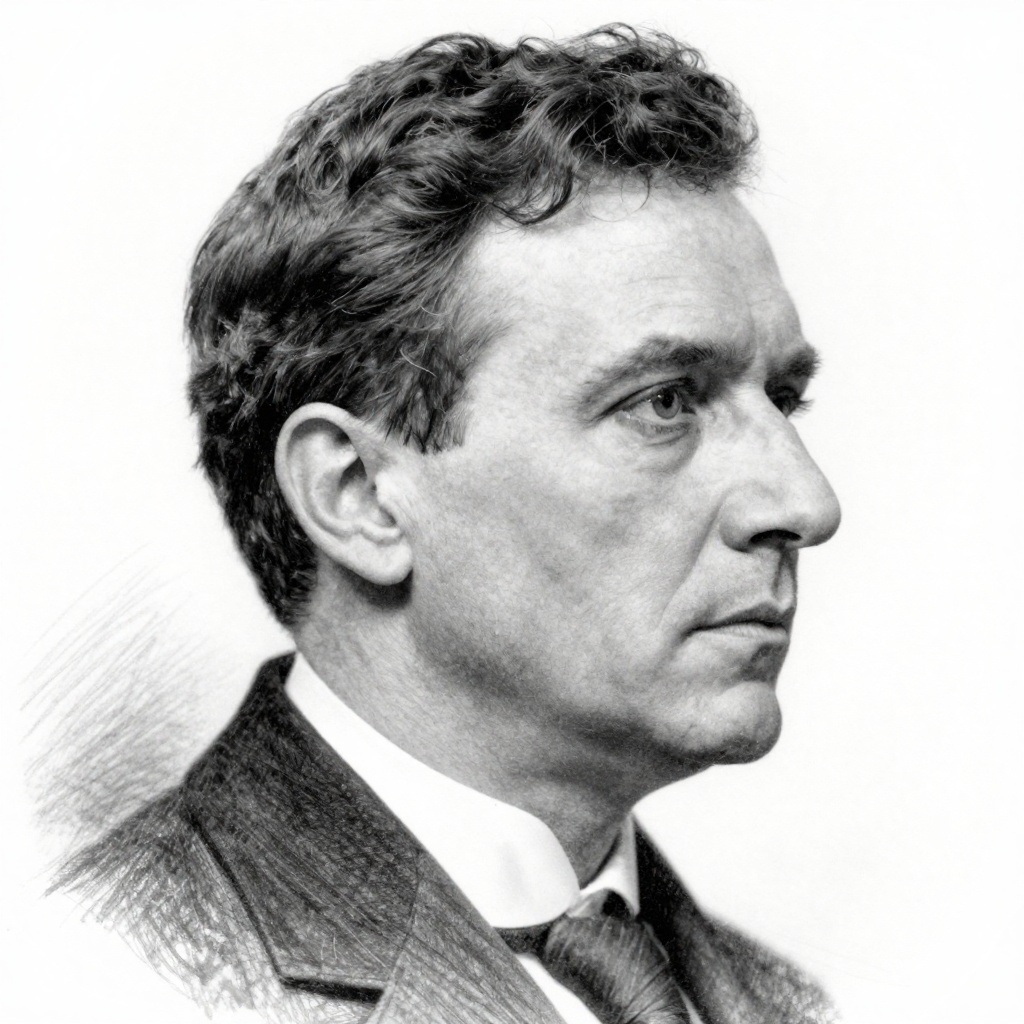
William G. Inge was a British playwright and novelist known for his works that often examined the complexities of relationships and societal norms. He is best remembered for his play "Picnic," which earned him a Pulitzer Prize for Drama in 1953, and his iconic work "The Last Valentine."
Comments