Quote · Added 4 February 2026
Speak little, listen much, think deeply, judge slowly.
William CowperOn conversation, Connoisseur No.138, 1756
Filed underspeech·wisdom·contemplation
Quote · Added 4 February 2026
Filed underspeech·wisdom·contemplation
We live in an age of constant broadcasting—everyone sharing takes, hot opinions, half-formed thoughts the moment they arrive. Social media rewards the loudest voice, not the most thoughtful one. But this old advice cuts against that grain in a way that feels almost radical now: the idea that your real power might come from restraint.
What makes this harder than it sounds is that staying quiet often feels like weakness. When you listen instead of talk, people sometimes mistake silence for agreement or ignorance. But here's the non-obvious part: listening actually changes what you think. When you hear someone out fully instead of waiting for your turn to speak, you pick up nuance you'd miss. You realize situations are messier and more interesting than your first judgment suggested. You become harder to manipulate because you're actually gathering information instead of just defending a position.
The "judge slowly" piece is especially useful when you're angry or certain about something. Rushing to judgment feels clean and righteous. Pausing to think feels uncertain. But those people who seem to have real wisdom—who give advice you actually trust—they're the ones who've learned this friction between impulse and reflection. They hold their opinions more lightly while thinking about them more deeply.
1731–1800·lived 68 years
William Cowper (1731–1800) was an English poet known for his contemplative and introspective verse. He is credited as one of the forerunners of the Romantic poetry movement, emphasizing emotion and nature in his works. Cowper is best known for his poems such as "The Task" and "The Castaway."
Also by William Cowper
Who loves a garden loves a greenhouse too.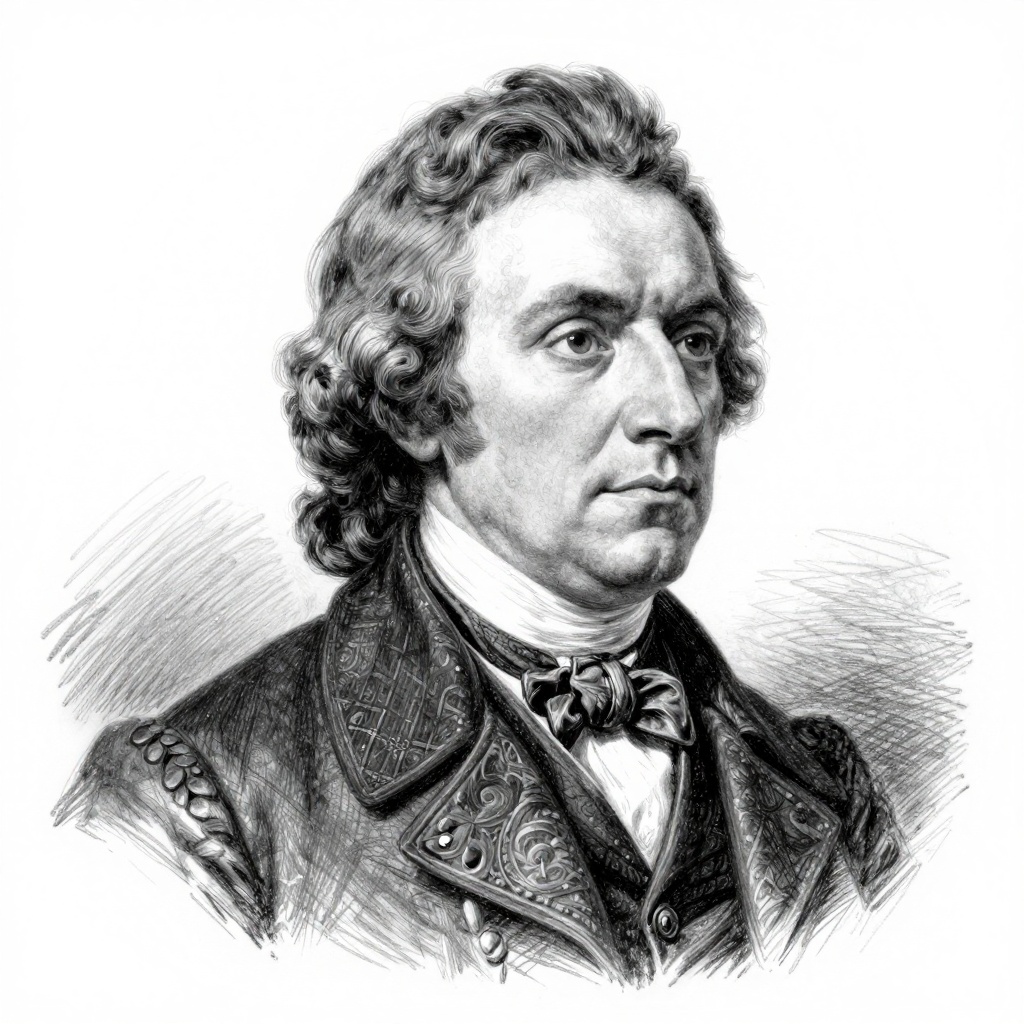
Comments