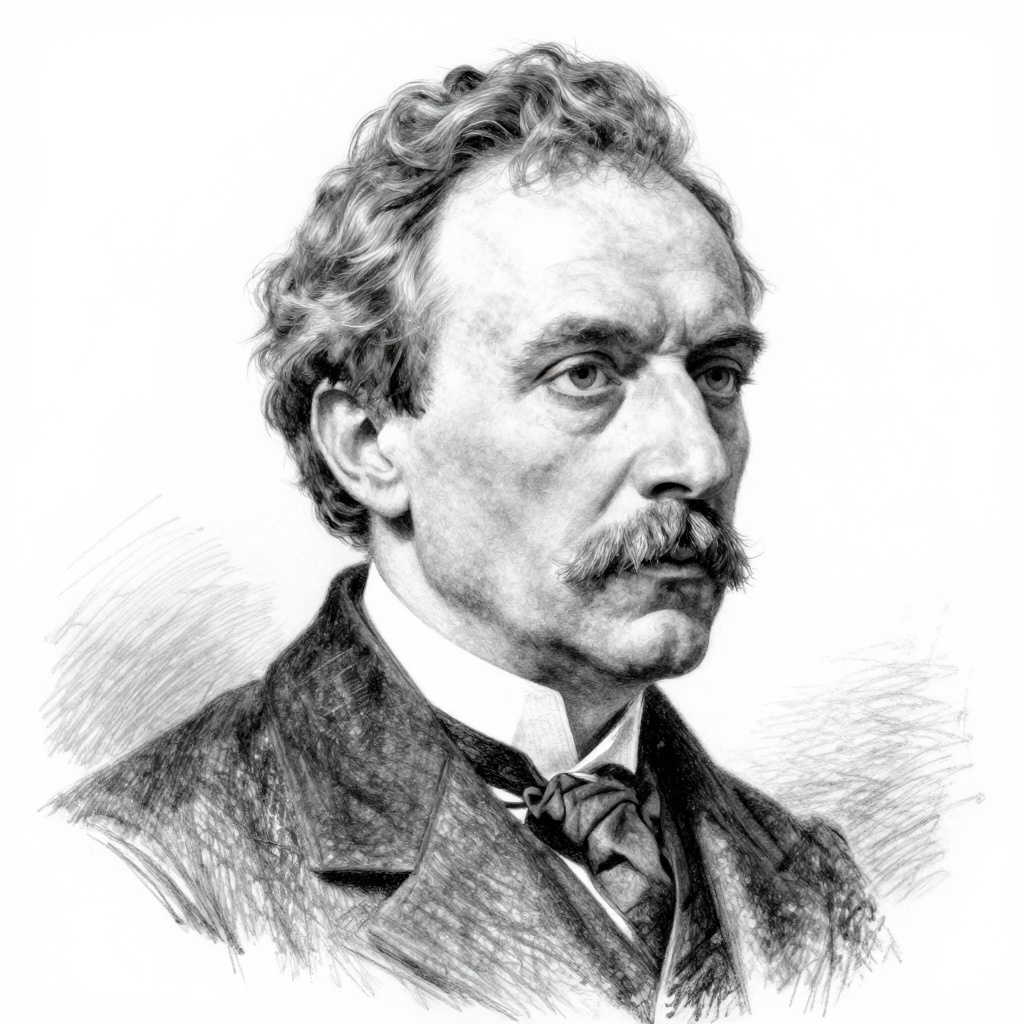
If there were a science of human beings it would be anthropology that aims at understanding the totality of ex... — Wilhelm Dilthey

If there were a science of human beings it would be anthropology that aims at understanding the totality of experience through structural context.

Author: Wilhelm Dilthey

Insight: We're surrounded by explanations that feel complete but aren't. A psychologist tells you why you're anxious. An economist explains market behavior. A biologist maps your genes. Each one seems to have the answer, but they're all looking at the same human problem through different keyholes. Dilthey's point—that we need to understand the whole messy context, not just isolated parts—is more radical than it sounds. It means that to actually understand why someone made a choice, you need to know their history, their culture, their relationships, the moment they're living in. You can't reduce it. This matters because we're living in an age of experts who want to reduce everything. Your productivity problem gets a life-hacking app. Your loneliness gets a dating algorithm. But these solutions often fail because they're trying to fix a part without understanding the structure that holds everything together. When you actually talk to someone about their life—when you listen to the full story instead of jumping to solutions—you recognize patterns that no single expert could have predicted. That's anthropology's real insight: some things only make sense when you step back and see the whole shape of a human life.

The whole story beats the single answer

If there were a science of human beings it would be anthropology that aims at understanding the totality of experience through structural context.

We're surrounded by explanations that feel complete but aren't. A psychologist tells you why you're anxious. An economist explains market behavior. A biologist maps your genes. Each one seems to have the answer, but they're all looking at the same human problem through different keyholes. Dilthey's point—that we need to understand the whole messy context, not just isolated parts—is more radical than it sounds. It means that to actually understand why someone made a choice, you need to know their history, their culture, their relationships, the moment they're living in. You can't reduce it.

This matters because we're living in an age of experts who want to reduce everything. Your productivity problem gets a life-hacking app. Your loneliness gets a dating algorithm. But these solutions often fail because they're trying to fix a part without understanding the structure that holds everything together. When you actually talk to someone about their life—when you listen to the full story instead of jumping to solutions—you recognize patterns that no single expert could have predicted. That's anthropology's real insight: some things only make sense when you step back and see the whole shape of a human life.

AI generated

Comments

Sign in to leave a comment or reply to one.

Sign in

Wilhelm Dilthey

Wilhelm Dilthey (1833–1911) was a German philosopher and historian, known for his contributions to hermeneutics and the philosophy of the human sciences. He emphasized the importance of understanding human experience through a lens of historical context and subjective interpretation. Dilthey's work laid the foundations for various fields, including psychology, sociology, and education.

Graph

Related