Quote · Added 14 February 2026
A morning-glory at my window satisfies me more than the metaphysics of books.
Walt WhitmanLeaves of Grass, 1855
Filed underflower·simplicity·contentment
Quote · Added 14 February 2026
Filed underflower·simplicity·contentment
There's something quietly radical about choosing a flower over philosophy. Whitman isn't saying books are worthless—he's pointing at something we've forgotten about attention itself. We've built entire systems around extracting meaning from complicated ideas, yet a morning-glory does something simpler and more direct: it just shows up, opens, and exists beautifully without needing to be understood first.
The real insight is about immediacy. When you watch a morning-glory bloom, there's no gap between experience and understanding. You don't need to decode it or argue about its significance. But books about meaning, about how to live or what matters, create distance—they're someone else's processed thoughts about reality rather than reality itself. We often treat direct experience as less valuable than expert interpretation, but Whitman's suggesting the opposite.
This matters now more than ever. We're drowning in explanations and frameworks while starving for unfiltered presence. That moment when you actually notice the light on a leaf or the texture of someone's voice, without immediately turning it into a story or a lesson—that's the satisfaction he's talking about. Not anti-intellectual, exactly, but pro-aliveness. Sometimes the most honest thing you can do is just look.
1819–1892·lived 72 years
Walt Whitman (1819–1892) was an American poet, essayist, and journalist known for his groundbreaking poetry collection "Leaves of Grass." He is regarded as one of the most significant American poets, celebrated for his innovative free verse style and his profound exploration of democracy, individualism, and the human experience.
Also by Walt Whitman
I believe a leaf of grass is no less than the journey-work of the stars.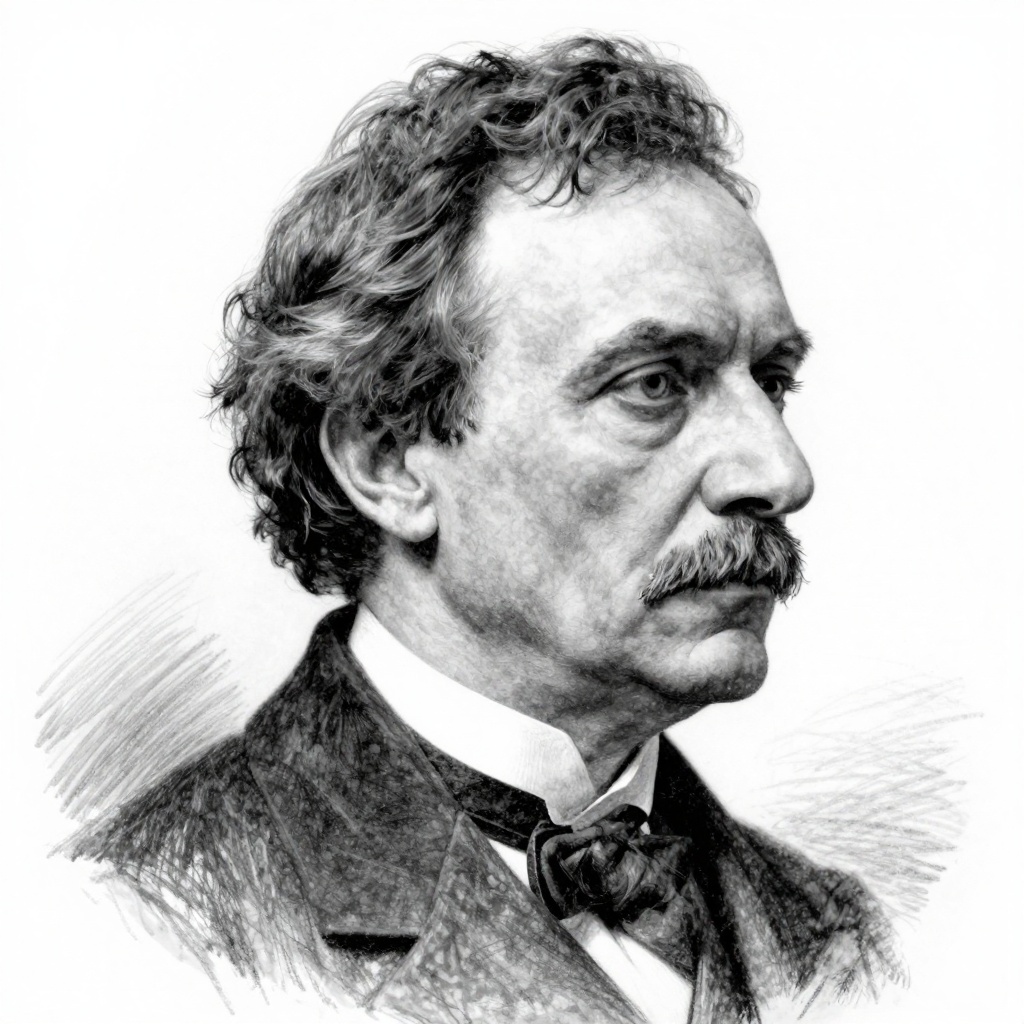
Comments