Quote · Added 16 February 2026
If at first you don't succeed, try, try again.
Filed underfailure·perseverance·effort
Quote · Added 16 February 2026
Filed underfailure·perseverance·effort
We hear this so often it's become almost invisible—a greeting card cliché we half-ignore. But there's something useful buried underneath that's worth rescuing: the idea that failure isn't a signal to stop, but information that you're still in the game.
The trick is noticing the difference between useful persistence and just banging your head against the same wall. "Try again" doesn't mean repeat the exact same thing and hope for magic. It means trying, noticing what happened, adjusting, then trying differently. The parent who can't get their kid to eat vegetables tries once, fails, then tries a different approach—a different time, a different recipe, different framing. That's real persistence. Doing the same ineffective thing over and over is just stubbornness.
What makes this quote stick around is that it gives you permission to be bad at something the first time. We live in an age where people often quit after one genuine attempt, partly because we've absorbed this weird idea that competence should feel easy. But almost everything worth doing—learning an instrument, building a business, fixing a relationship—requires multiple attempts that don't work before something clicks. The magic isn't in blind repetition. It's in the decision that failure doesn't mean the end.
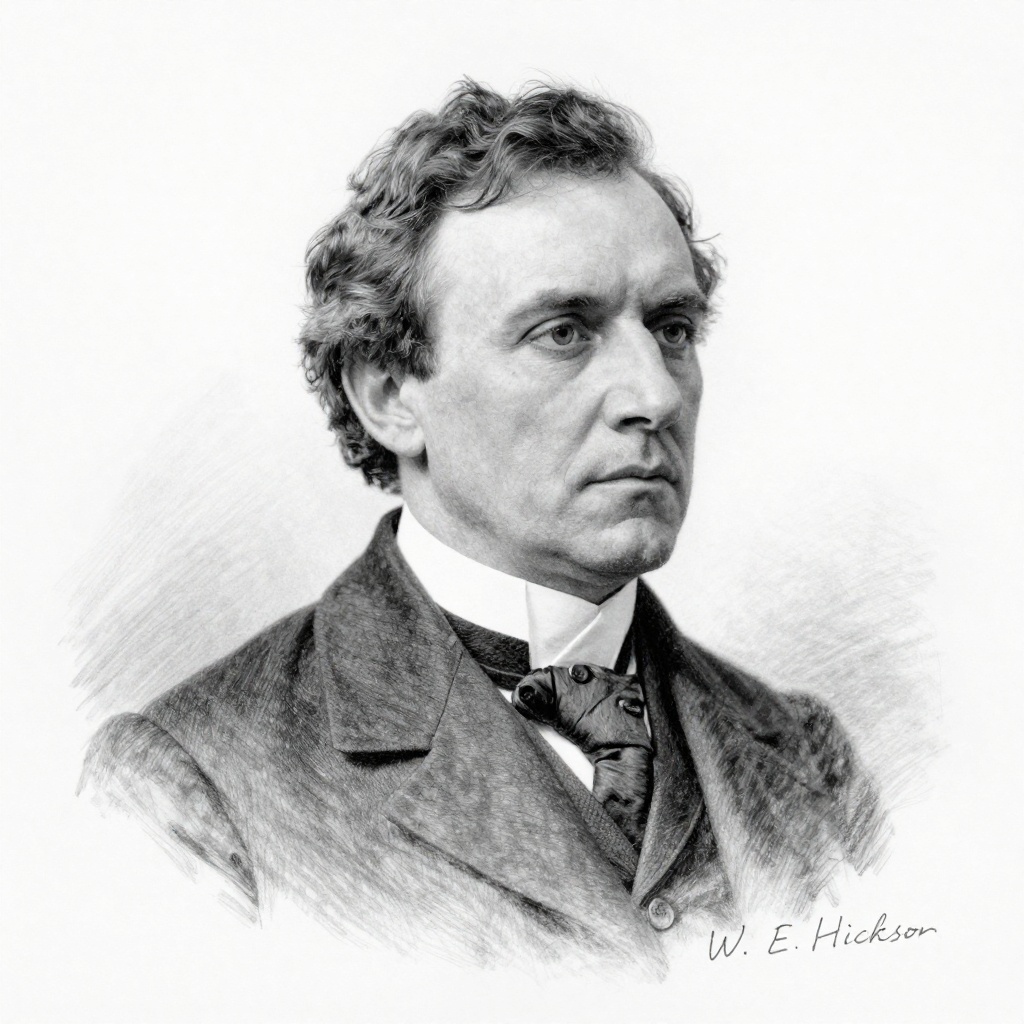
1803–1870·lived 67 years
W. E. Hickson was a British educator and author, best known for his contributions to children's literature and musical education. He is notable for writing the popular children's song "The More We Get Together," which emphasizes friendship and community. Hickson's work in the 19th century helped shape early childhood education practices in Britain.
Comments