Quote · Added 14 February 2026
When it is a question of money, everybody is of the same religion.
VoltairePhilosophical Dictionary, 1764
Quote · Added 14 February 2026
Money has this peculiar power to strip away almost everything else we use to define ourselves. Walk into a negotiation, a business deal, or even a conversation about splitting rent with friends, and suddenly your politics, your values, your carefully constructed identity—they all matter less than the bottom line. We become remarkably similar creatures when currency is involved. The person who votes differently from you, worships differently, or lives by entirely different principles will still recognize the universal language of financial self-interest.
What makes this observation sting a little is recognizing it in ourselves. We like to think our choices are driven by conviction, yet we notice how quickly those convictions bend when money enters the room. The colleague you disagreed with becomes your ally on a profitable project. The principle you held dear suddenly seems more negotiable when the bill comes due. It's not that money corrupts everyone equally—it's that money reveals something already present: how much of what we call integrity is actually just the luxury of not being tested.
The real insight isn't cynical, though. It's that acknowledging this shared vulnerability might actually make us more honest with each other. If we admitted that money changes us, we might stop pretending it doesn't and start being more thoughtful about when we let it.
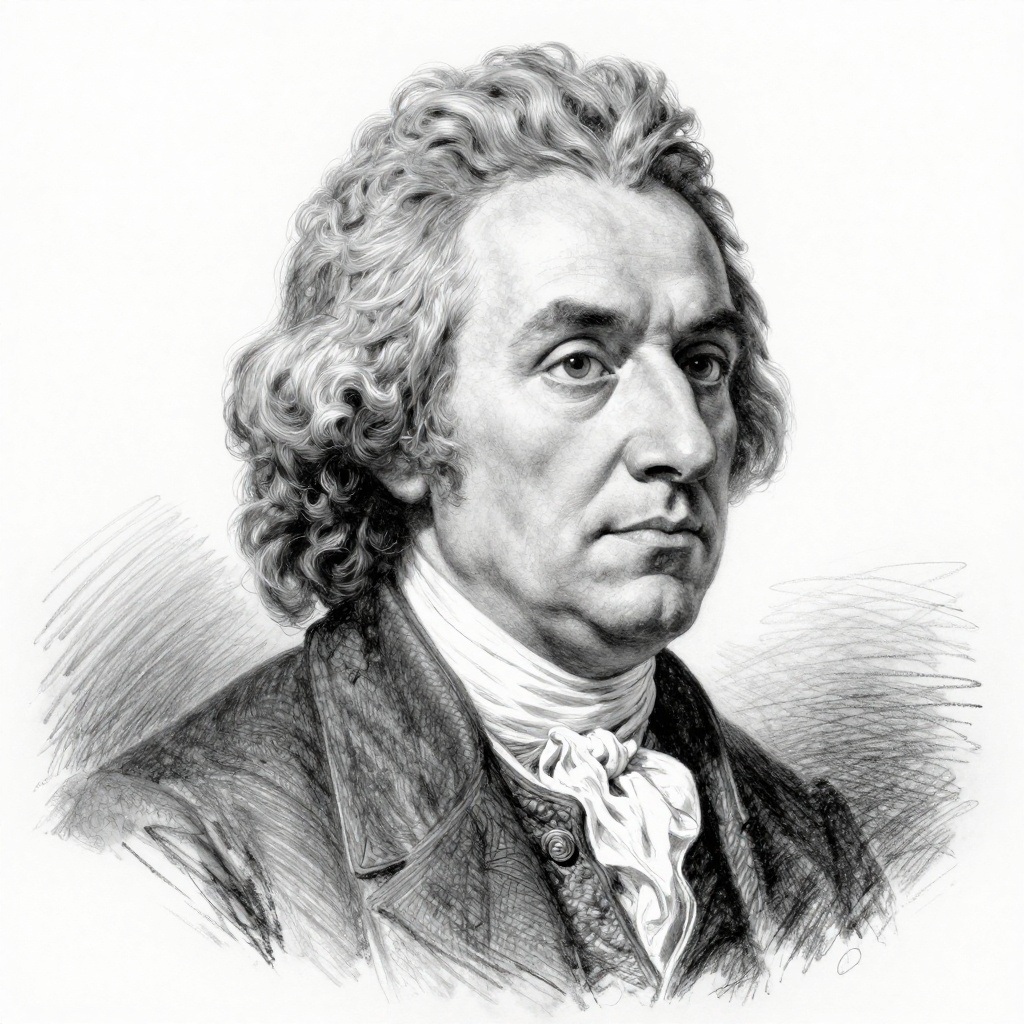
1694–1778·lived 83 years
Voltaire was an influential French philosopher, writer, and historian of the Enlightenment period. He is known for his wit, intelligence, and advocacy for freedom of speech, freedom of religion, and separation of church and state. Voltaire's works, including "Candide" and numerous essays, have had a lasting impact on literature and philosophy.
Comments