Quote · Added 14 February 2026
What most persons consider as virtue, after the age of 40 is simply a loss of energy.
VoltaireVoltaire's Philosophical Dictionary, 1924
Filed undervirtue·energy·perspective
Quote · Added 14 February 2026
Filed undervirtue·energy·perspective
There's something darkly funny about this observation, especially if you've noticed it in yourself or people around you. We often interpret settling down—fewer late nights, less risk-taking, pulling back from arguments—as wisdom or maturity. But Voltaire's suggestion cuts deeper: maybe we're just tired. The person who stops going to parties isn't necessarily evolved; they might just lack the stamina they had at twenty-five.
The tricky part is that this is probably only half-true, which is what makes it sting. Yes, energy does decline with age, and that absolutely shapes our choices. But it's worth asking yourself whether you're actually changing your values or just accommodating your body's demands. There's a real difference between choosing restraint and simply running out of gas. The problem is that from the inside, they can feel identical.
This matters because it invites an uncomfortable honesty about motivation. When you turn down an opportunity, decline an invitation, or resist an impulse, it's worth checking: Am I doing this because I've thought it through and decided it's not worth my time? Or am I just depleted? The answer probably contains both, but knowing which is driving which might change how you spend whatever energy you have left.
1694–1778·lived 83 years
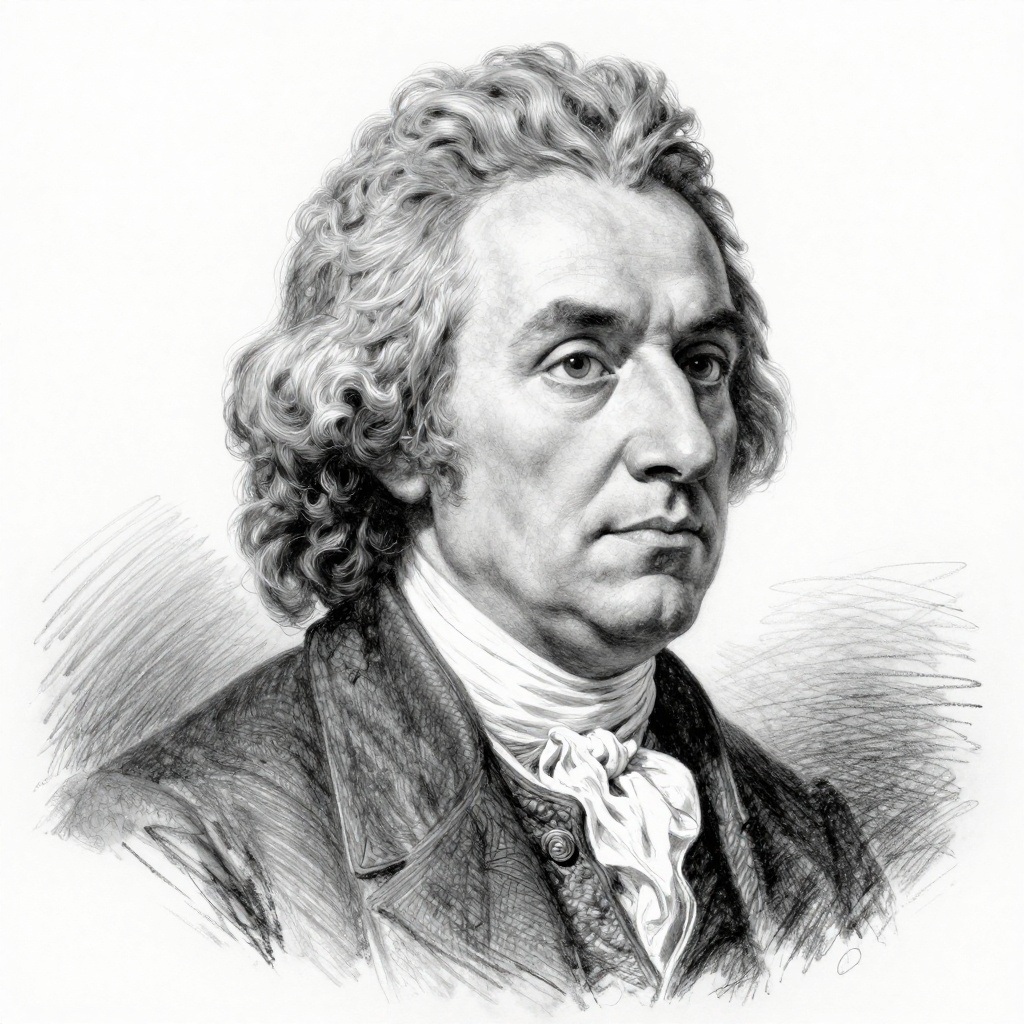
Voltaire was an influential French philosopher, writer, and historian of the Enlightenment period. He is known for his wit, intelligence, and advocacy for freedom of speech, freedom of religion, and separation of church and state. Voltaire's works, including "Candide" and numerous essays, have had a lasting impact on literature and philosophy.
Comments