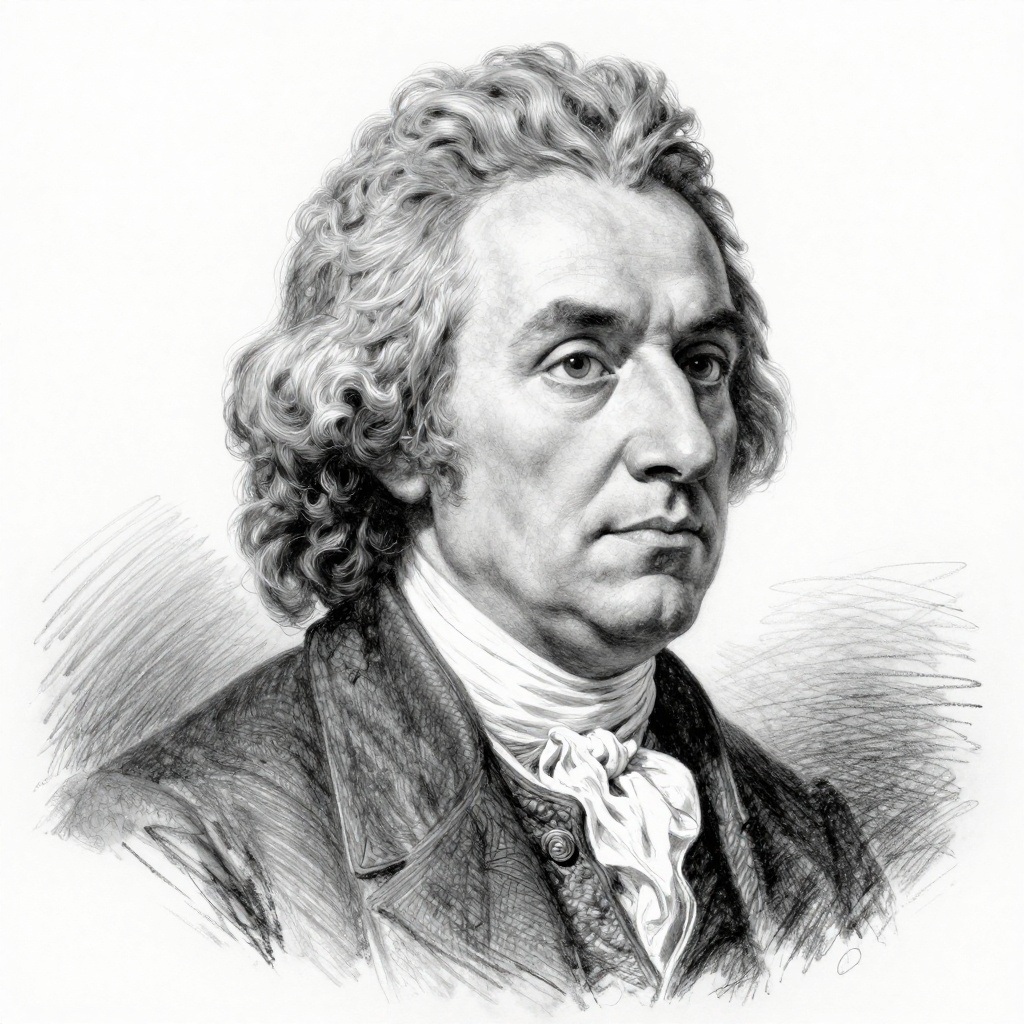
What is tolerance? It is the consequence of humanity. We are all formed of frailty and error; let us pardon re... — Voltaire
What is tolerance? It is the consequence of humanity. We are all formed of frailty and error; let us pardon reciprocally each other's folly - that is the first law of nature.
Author: Voltaire
Insight: Tolerance isn't some noble virtue we aspire to—it's actually just basic honesty about what we are. We're all walking around half-blind, making mistakes constantly, changing our minds, saying things we regret. Once you really accept that about yourself, the logic of tolerance becomes almost unavoidable. It feels hypocritical to demand patience from others when you know how often you've gotten things wrong. The tricky part Voltaire points to is that we forget this about ourselves. When someone disagrees with us or messes up, we suddenly act like they're uniquely flawed while we're the ones seeing clearly. We hold others to standards we'd never survive ourselves. Real tolerance isn't about being nice or modern—it's about recognizing that the person annoying you is operating with the same equipment you are: limited information, emotional baggage, and a tendency to be convinced we're right even when we're not. This matters now because tolerance gets confused with either false cheerfulness (pretending all views are equally valid) or exhausted resignation (putting up with harmful behavior). Neither is what Voltaire meant. He's describing something harder: a clear-eyed recognition that your enemy is as breakable and confused as you are. That doesn't mean accepting everything, but it does change how you push back.
Source: A Treatise on Toleration, 1763