Quote · Added 14 February 2026
To succeed in the world it is not enough to be stupid, you must also be well-mannered.
VoltairePhilosophical Dictionary, 1764
Filed undermanners·success·intelligence
Quote · Added 14 February 2026
Filed undermanners·success·intelligence
We usually think of politeness as something separate from competence—a nice social lubricant that doesn't really affect whether we get things done. But Voltaire's dig suggests something sharper: bad manners can actually sabotage you even when you have decent abilities. A rude person with real skills still manages to alienate collaborators, miss opportunities, and create friction that wouldn't exist otherwise. They burn through goodwill faster than their competence can rebuild it.
The real insight isn't just that you need both intelligence and courtesy. It's that civility functions as a kind of practical currency in how the world actually works. People promote those they enjoy working with. They give second chances to people who show respect. They share information and opportunities with those who treat them decently. Being smart but dismissive means you're constantly working against an invisible headwind, while someone of modest abilities but genuine warmth somehow finds doors opening.
This cuts both ways too. You might recognize yourself being impatient or short with people precisely when you're stressed or trying to prove something. Those moments—when you most want to bulldoze through—are often when basic courtesy matters most. It's not about fake cheerfulness. It's about acknowledging that the other person is real, and that how you treat them shapes what's actually possible.
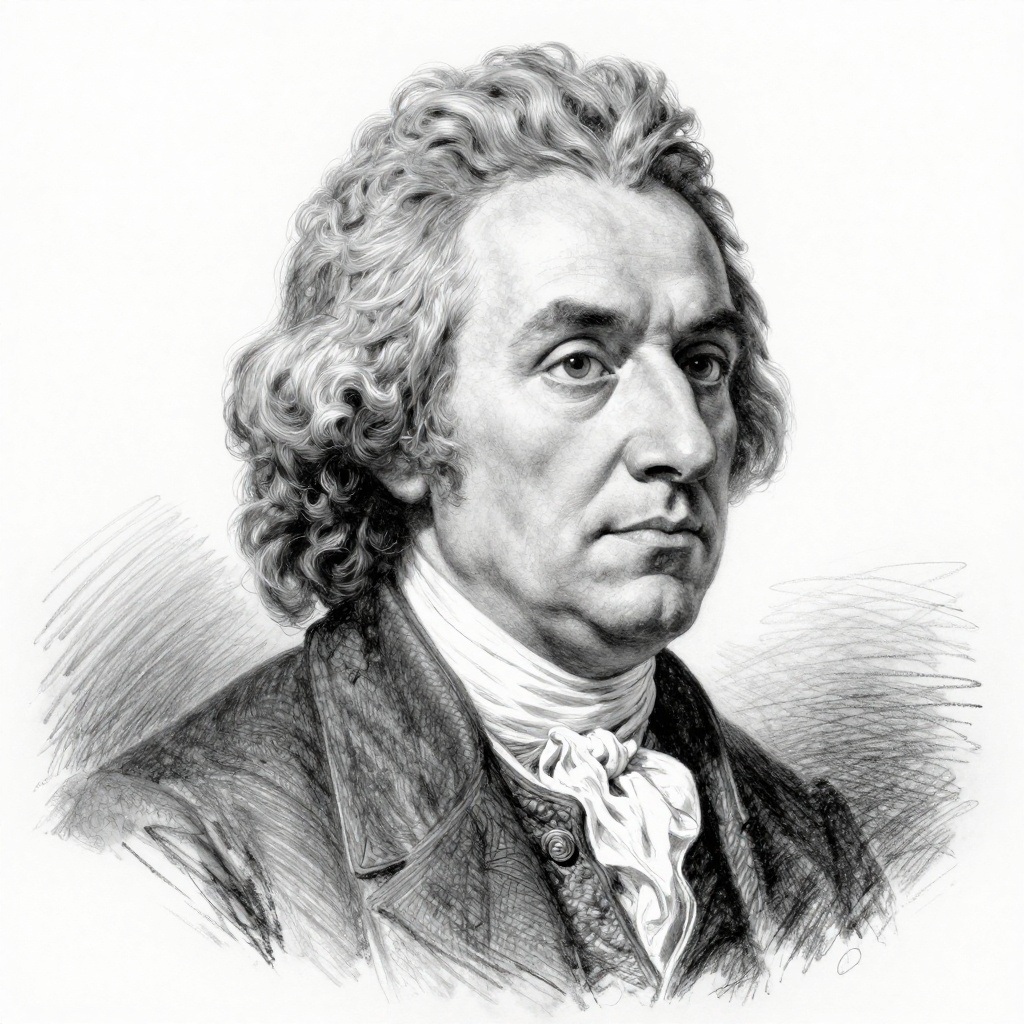
1694–1778·lived 83 years
Voltaire was an influential French philosopher, writer, and historian of the Enlightenment period. He is known for his wit, intelligence, and advocacy for freedom of speech, freedom of religion, and separation of church and state. Voltaire's works, including "Candide" and numerous essays, have had a lasting impact on literature and philosophy.
Comments