Quote · Added 14 February 2026
To hold a pen is to be at war.
VoltaireLetter to Jeanne-Grâce Bosc du Bouchet, comtesse d'Argental (4 October 1748)
Filed underpen·conflict·expression
Quote · Added 14 February 2026
Filed underpen·conflict·expression
There's something quietly aggressive about the act of writing that we don't usually admit. When you put pen to paper—or fingers to keyboard—you're making a choice to say something that didn't exist before. You're declaring that your version of the truth, your argument, your observation matters enough to take up space. This is partly what Voltaire meant. Writing isn't passive reflection; it's an assertion, even a confrontation with all the other ideas already out there.
The tension shows up everywhere in modern life. A strongly worded email feels different from a conversation because it's permanent, quotable, evidence. A social media post invites disagreement in ways casual speech doesn't. Even keeping a journal is a quiet act of rebellion—you're insisting that your private thoughts have worth. We feel this friction instinctively, which is why we delete drafts, soften our language, or say nothing at all when staying silent feels safer.
But here's what's worth noticing: that resistance is partly the point. The pen—whether literal or digital—is a tool for people who refuse to accept things as settled. It's not a weapon meant to harm, but it is one meant to change minds. Being "at war" doesn't mean being cruel. It means being willing to think clearly, state it plainly, and accept that clarity will provoke response. That's what separates people who shape conversations from people who only watch them happen.
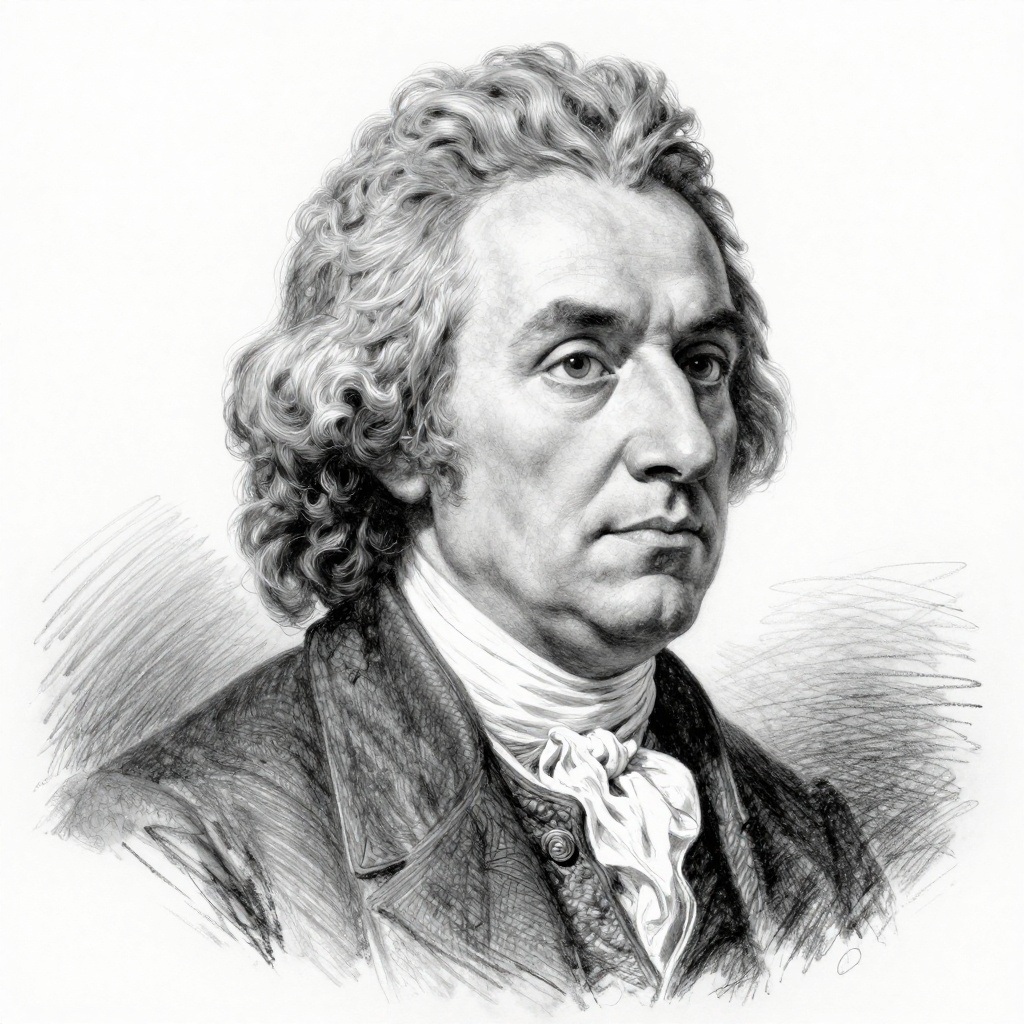
1694–1778·lived 83 years
Voltaire was an influential French philosopher, writer, and historian of the Enlightenment period. He is known for his wit, intelligence, and advocacy for freedom of speech, freedom of religion, and separation of church and state. Voltaire's works, including "Candide" and numerous essays, have had a lasting impact on literature and philosophy.
Comments